Japanese PM Takaichi hopes for big win in national poll
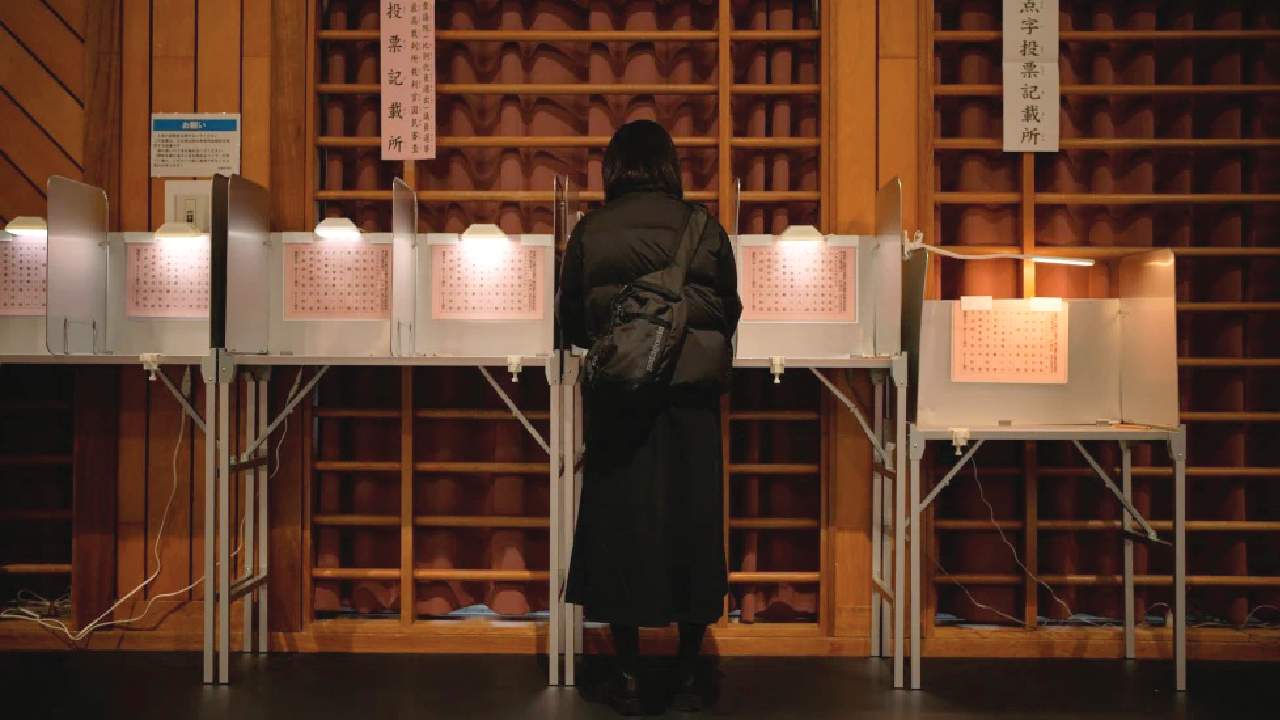
Polls opened on Sunday in parliamentary elections that Japan’s popular Prime Minister Sanae Takaichi hopes will give her struggling party a big enough win to push through an ambitious conservative political agenda. Takaichi is hugely popular, but the ruling Liberal Democratic Party, which has governed Japan for most of the last seven decades, has struggled with funding and religious scandals.
She called Sunday’s snap elections only after three months in office, hoping to turn that around before her popularity fades. She wants to make progress on a right-wing agenda that aims to boost Japan’s economy and military capabilities as tensions grow with China. She also wants to nurture ties with her crucial US ally, and a sometimes unpredictable President Donald Trump.
Popular leader poised to win big
The ultraconservative Takaichi, who took office as Japan’s first female leader in October, pledged to “work, work, work,” and her style, which is seen as both playful and tough, has resonated with younger fans.
The latest surveys indicated a landslide win in the lower house for the LDP. The opposition, despite the formation of a new centrist alliance and a rising far-right, is seen as too splintered to be a real challenger.
Takaichi is betting that her LDP party, together with its new partner, the Japan Innovation Party, will secure a majority in the 465-seat lower house, the more powerful of Japan’s two-chamber parliament. Recent surveys by major Japanese newspapers show a possibility that Takaichi’s party could win a simple majority on its own, while her coalition could win as many as 300 seats, a big jump from the thin majority it held since a 2024 election loss. If the LDP fails to win a majority, “I will step down,” she said.
Pushing right-wing
A big win by Takaichi’s coalition could mean a significant shift to the right in Japan’s security, immigration and other policies, with its right-wing partner JIP’s leader Hirofumi Yoshimura saying his party will serve as an “accelerator.”
Japan has recently seen far-right populists gain ground, such as the anti-globalist and surging nationalist party Sanseito. Takaichi has pledged to revise security and defence policies by December to bolster Japan’s offensive military capabilities, lifting a ban on weapons exports and moving further away from the country’s postwar pacifist principles.
She has been pushing for tougher policies on foreigners, anti-espionage and other measures that resonate with a far-right audience, but ones that experts say could undermine civil rights. Takaichi also wants to increase defence spending in response to Trump’s pressure on Japan to loosen its purse strings. Though Takaichi said she is seeking the public’s mandate for her “nation splitting policies,” she avoided contentious issues such as ways to fund soaring military spending, how to fix diplomatic tension with China and other controversial issues. In her campaign speeches, Takaichi enthusiastically talked about the need for “proactive” Government spending to fund “crisis management investment and growth,” such as measures to strengthen economic security, technology and other industries. Takaichi also seeks to push tougher measures on immigration and foreigners, including stricter requirements for foreign property owners and a cap on foreign residents. The snap election after only three months in office “underscores a problematic trend in Japanese politics in which political survival takes priority over substantive policy outcomes,” said Masato Kamikubo.