Jamaat-e-Islami questions fairness of upcoming Bangladesh elections
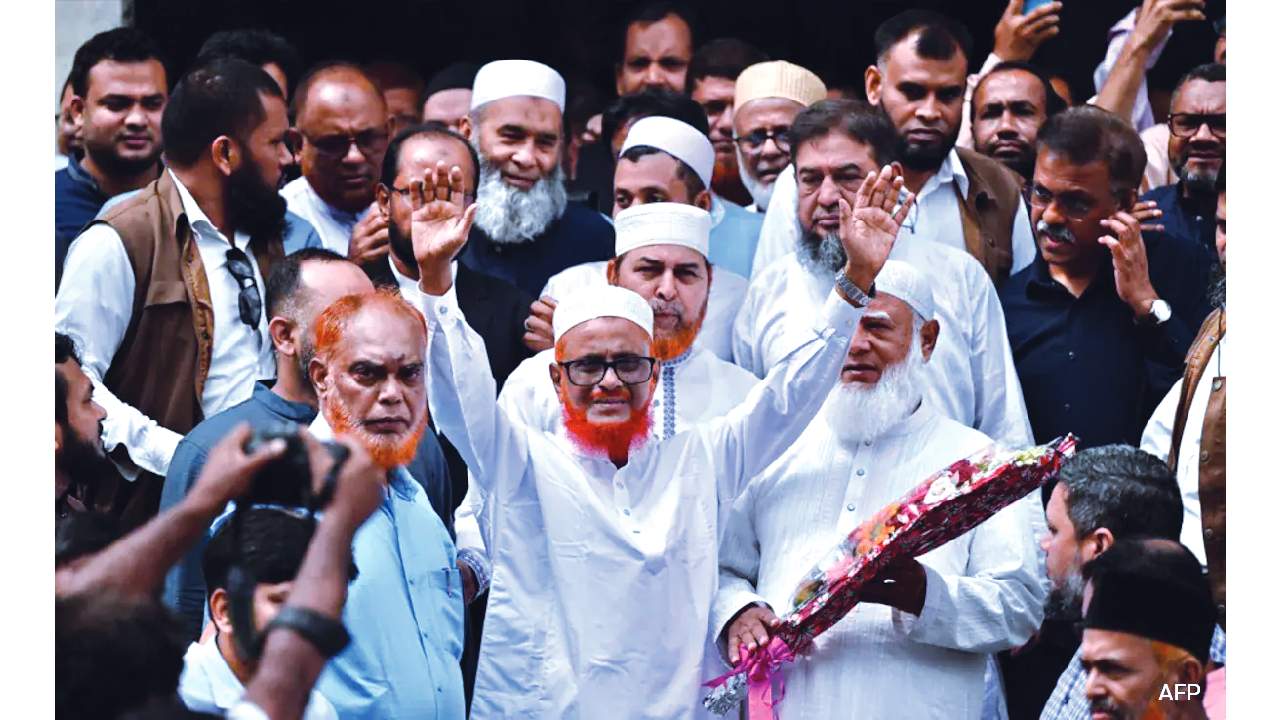
Bangladesh’s largest Islamist political party, Jamaat-e-Islami, has expressed doubts over whether the country is ready to hold a free and impartial national election, alleging that sections of the interim administration are acting in favour of a particular political party.
The concerns were raised during a meeting of Jamaat-e-Islami’s Central Executive Council held in Dhaka on Monday, at a time when the country’s political environment remains highly fluid ahead of the February 12 general election.
In a statement released after the meeting, chaired by Jamaat chief Dr Shafiqur Rahman, the party said it had reviewed the overall political situation surrounding the upcoming polls.
According to the statement, Jamaat leaders have received complaints from different parts of the country claiming that certain government officials are working to benefit a “specific political party,” though no group was named. The comments come as Bangladesh prepares for a high-stakes election following major political changes. The Awami League, led by former prime minister Sheikh Hasina, has been barred from contesting under the Anti-Terrorism Act, significantly reshaping the electoral field. In this context, the Bangladesh Nationalist Party (BNP), headed by former prime minister Khaleda Zia, is widely viewed as the leading contender to form the next government.
Jamaat-e-Islami, which was once a key ally of the BNP during its 2001–2006 rule, is now positioning itself as a major rival in the race, further intensifying competition among opposition forces.
The party also voiced serious concern over what it described as the ongoing killing of political leaders and activists in various parts of the country, sometimes occurring in public view. Jamaat leaders warned that such incidents are undermining public confidence and creating an atmosphere of fear ahead of the election. Stating that conditions for a free, fair, and neutral election have yet to be ensured, Jamaat urged the Election Commission and law enforcement agencies to carry out their responsibilities with “complete neutrality.”
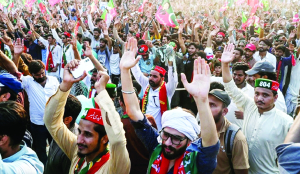
The party also called on the government to maintain law and order so that voters can participate without intimidation. Referring indirectly to the mass uprising that led to the collapse of the Hasina-led Government in August 2024, Jamaat said what it termed “fascism” had been removed after a 16-year struggle. It warned that the “new Bangladesh,” achieved at the cost of about 1,500 lives and tens of thousands of injuries, must not be undermined by any conspiracy. Jamaat-e-Islamist party leader speaks at rally in Bangladesh.