Iran’s internet blackout silences voices at home as diaspora creators fill void
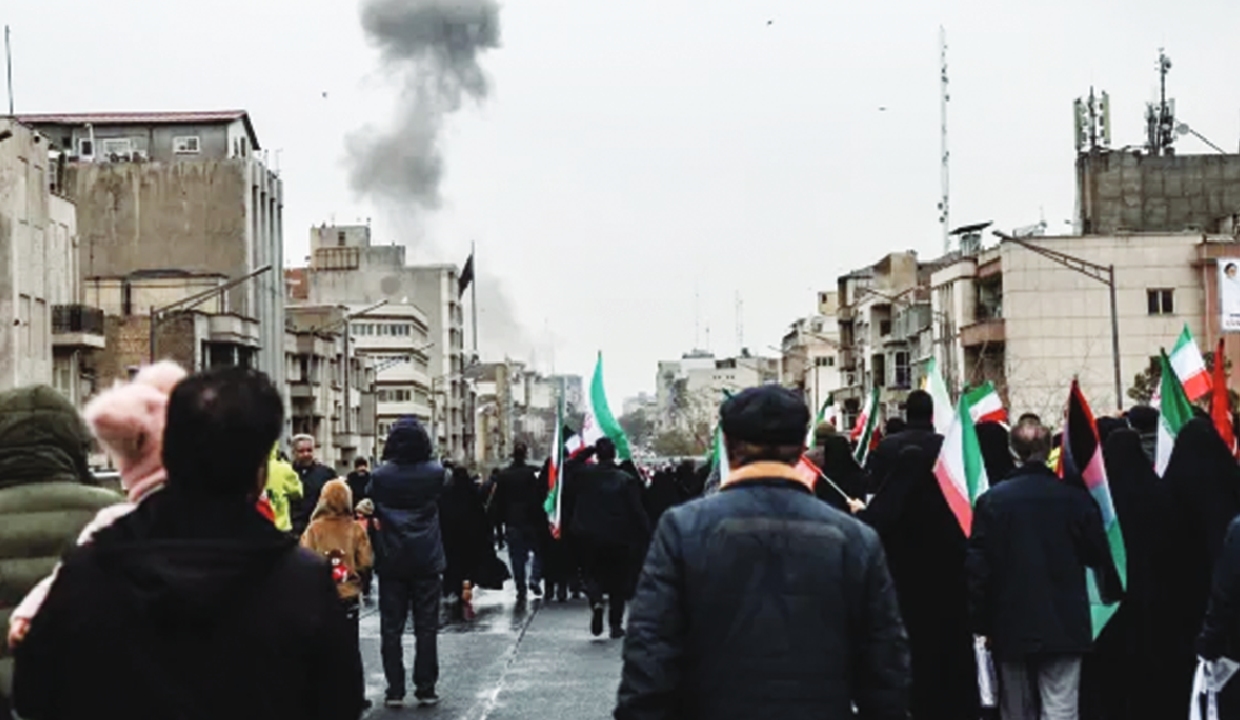
Iranian American Ariana Afshar has tried to produce commentary about the first weeks of the war in the Middle East based on the perspectives of people in Iran.
But the New York-based social media creator keeps running into an obstacle: An internet blackout imposed by the Government in Tehran has stifled almost all communications from the country.
That makes it nearly impossible to reliably survey perspectives on the escalating conflict from inside Iran, where Afshar lived as a teenager and still has family. That absence has amplified the voices of Iranian American social media creators, who are now explaining the nation’s complicated history and the conflicting desires of its citizens in succinct videos that are widely shared online. Their content is geared toward the surging demand for information in the US, where online searches like “why are we at war with Iran” increased by 3,000 per cent in the first week of March, according to Google Search Trends. Some creators and observers say the disproportionate influence of voices outside of Iran has exacerbated deep rifts in the diaspora, which includes about 750,000 people in the United States, according to the Pew Research Centre.
“I think it’s a huge problem among the Iranian diaspora, where they speak for Iranians a lot. I don’t want to fall into that,” said Afshar, who has roughly 350,000 followers on Instagram and TikTok.
In her own online activity, she mostly critiques pro-war perspectives based on her experience growing up in both countries. In the rare moments when she is able to reach relatives, they are often too afraid to share their true feelings about the war and the Government.
Content creators “cannot thoroughly access the people’s opinions in Iran”, Afshar said. Some creators support the war, saying the fear of conflict pales in comparison to a government that killed thousands of people in January during a crackdown on dissent.
Others have pointed to obliterated infrastructure and mounting casualties - including more than 165 killed by a strike on an elementary school - as a warning of more carnage to come, citing previous US wars in Iraq and Afghanistan as precedent. “The outside media, especially the Iranian diaspora, are playing a major role,” said Babak Rahimi, an Iranian professor of culture, religion and technology at the University of California, San Diego.
“It’s the kind of role that is not about really information, but it’s mostly about the circulation of emotions.” In many wars, citizens are able to supplement official reporting with first-person accounts posted on social media and widely shared, Rahimi said. But digital blackouts and fear of Government retaliation have severely limited that in Iran.