Iranian official hints at renewed conflict
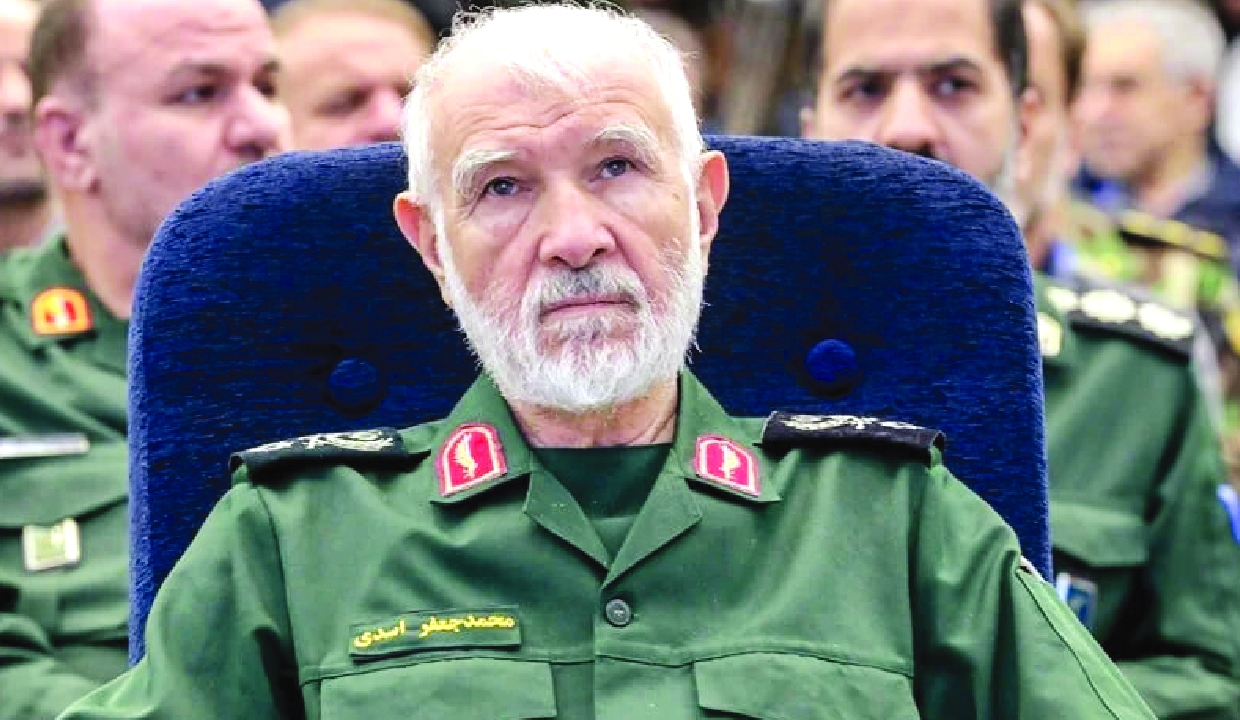
A senior Iranian military official has warned that renewed conflict between Iran and the United States is “likely,” following the rejection of Tehran’s latest proposal by US President Donald Trump.
According to Iranian State media, Mohammad Jafar Asadi, a senior commander within Iran’s central military command, said a return to hostilities appears increasingly probable. His remarks come amid growing tensions after Washington dismissed a proposal aimed at de-escalating the ongoing conflict.
The proposal, details of which were reported by state media, outlined a phased approach to ending the war. It included reopening shipping routes in the strategically vital Strait of Hormuz and lifting US restrictions on Iranian maritime trade. However, it notably deferred negotiations over Iran’s nuclear program to a later stage.
President Trump, speaking at the White House, confirmed his dissatisfaction. “They’re asking for things that I can’t agree to,” he told reporters, without specifying which aspects of the proposal were unacceptable.
The conflict, now entering its second month since a pause in US and Israeli airstrikes, has already triggered one of the most severe disruptions to global energy supplies in history. Iran has effectively restricted most shipping traffic through the Gulf for over two months, while the United States has imposed countermeasures blocking vessels linked to Iranian ports.
Washington has maintained that any resolution must include guarantees that Iran will never acquire nuclear weapons — an objective cited by Trump when launching military strikes earlier this year.
Tehran, however, continues to insist its nuclear program is strictly for peaceful purposes.
An unnamed senior Iranian official described the proposal as a “significant shift” intended to break the deadlock. Under the plan, hostilities would cease in exchange for assurances that neither the United States nor Israel would resume attacks. Iran would reopen the Strait of Hormuz, while future negotiations would address nuclear restrictions and sanctions relief.
Crucially, Iran is seeking recognition of its right to enrich uranium for civilian use, even if it agrees to temporarily suspend such activities.
“Negotiations over the more complicated nuclear issue have been moved to the final stage to create a more conducive atmosphere,” the official said, emphasising a strategy to first stabilise the situation before tackling more contentious issues.
Despite these overtures, the rejection from Washington underscores the deep divide that remains. With both sides holding firm on key demands, prospects for a diplomatic breakthrough appear uncertain — and the risk of renewed conflict continues to grow.