Iran cooks up a new India crisis
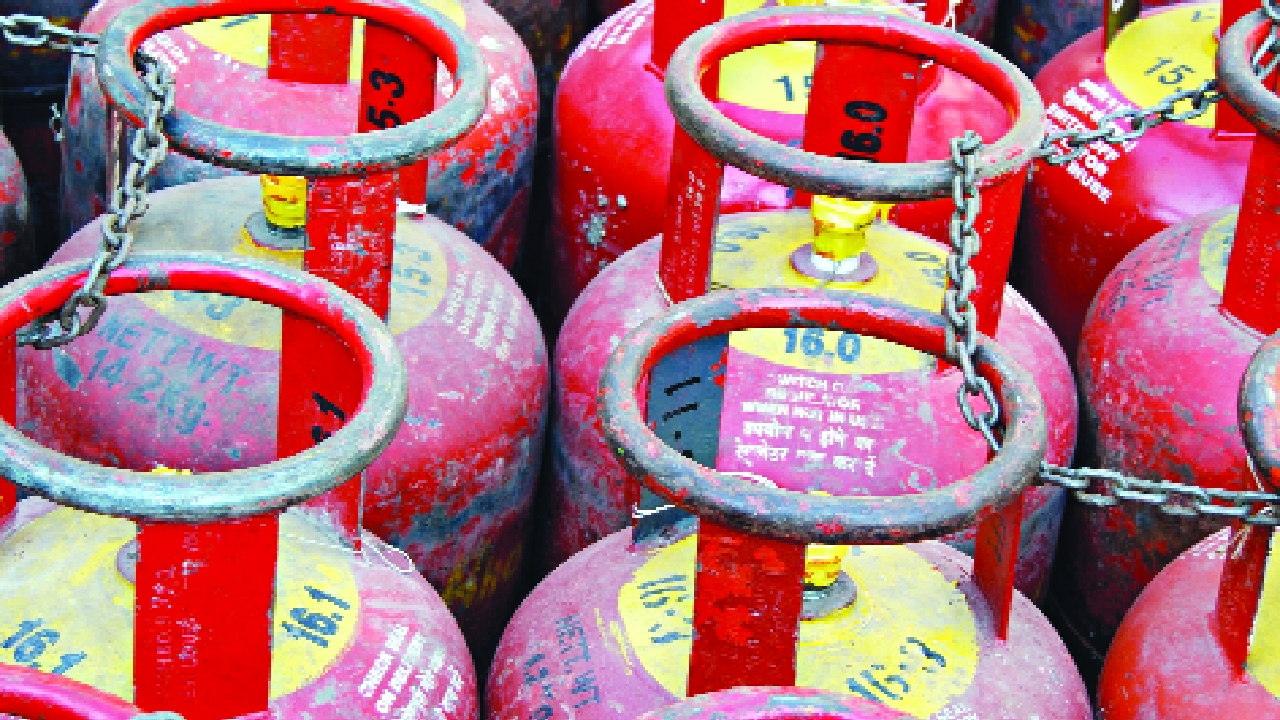
If the petroleum minister, Hardeep Puri, is to be believed, there is no shortage of Liquefied Petroleum Gas (LPG) in the country, especially for the household sector. According to a civil servant in the same ministry, the so-called shortages, which are entirely based on anecdotal evidence, and magnified fears, are due to large scale disinformation. The Prime Minister, Narendra Modi, targeted the Opposition political parties, and charged that they have stoked unnecessary fuel and fire in the ongoing crisis. The regime blames excessive buying and hoarding, including black marketing, rather than low imports, for the scenario.
Indeed, the petroleum ministry doles out figures to manage and discredit the panic, and indicate that the shortages are being ‘cooked-and-served,’ and do not show the reality. For example, a civil servant disclosed that the Indian refineries produce more than 50 per cent of the LPG, or 97.5 million metric standard cu m per day, out of a total requirement of 189 million cu m a day. Out of the imports of just over 90 million cu m, 47.5 million cu m is affected as the foreign suppliers have declared force majeure, or reneged on their contractual obligations.
However, Indian refiners have hiked the local production by a quarter or more since March 8, 2026, or a week after the Middle East crisis began. Hence, this adds more than 24 million cu m to the overall supplies, and makes up for more than half of the declines in imports. In essence, the actual shortage is just over 20 million cu m, which can be easily made up as bookings for household LPG was increased from 21 to 25 days, and LPG supplies for commercial ventures, like restaurants, was capped. Ergo, there is no shortage in the country.
Yet, media reports, and other actions by the Government indicate a completely different picture. Imports account for 60 per cent of the daily requirement, and 80-90 per cent of it passes through the Strait of Hormuz, which is almost shut due to Iran attacks. Reports that some ships had passed through the Strait, including a few destined for India, were denied later. Iran warned that ships passing through it will do so at their own peril. If these facts are true, it seems to hint at a far-larger crisis. The shortages may be 40-50 per cent of the daily needs.
Evidence from across the country shows signs of extreme shortages. Obviously, in the commercial segment, the situation is acute. Restaurants across the country have shut down, or curtailed their activities. Large firms that employ tens of thousands of people have urged them to either bring food from home, or work from home because their cafeterias are closed due to the lack of LPG supplies. Commercial buyers, according to media reports, pay 5-10 times higher prices to procure some supplies. Citizens, whose daily food intake depends on external sources, like tiffin and dabba services, are in a quandary.
Now, let us turn the attention towards household consumption. Supplies are choked to say the least. LPG employees have switched off their phones because of regular and incessant calls for deliveries, or complaints from the customers. The online supply system, which depends on OTPs and messages, is in trouble. People queue up outside LPG supply offices to demand a cylinder or two. There is complete chaos and confusion in the streets, as households struggle to procure supplies. There are fears that kitchens may come to a stop. Many households have purchased alternative cooking equipment.
Look at the import logistics. The LPG dependency on the Strait of Hormuz creates huge problems. In contrast, the crude oil dependency is less, as “India has successfully diversified its crude oil imports, with 70 per cent now arriving from alternative routes that bypass the disrupted Strait of Hormuz.” The latter was done since the beginning of the Russia-Ukraine war, and especially so in the past 12 months due to the American pressure to stop purchases from Russia. In contrast, the LPG global supply chain remained intact, and was shattered immediately by the Iran war. New Delhi had little warning to stock up LPG.
India, like other large consumers, including the International Energy Agency (IEA), maintains massive strategic emergency reserves of petrol and crude oil for use during such crises. Recently, the IEA and G-7 agreed to open the spigots and valves of these strategic supplies to ease the bottlenecks. But India has “thin storage buffers” for LPG. Hence, any shortages at the global supply level immediately translates into one at local distributor one. The transition happens within days, as is the case now. Once the shortage fears escalate, there is no stopping them, even with higher local supplies that take time to reach the market.
Of course, the LPG crisis is worsened by consumer behaviour, and those of the local retailers and distributors. Due to the fears, and media reports about restaurants shutting down, LPG booking volumes from the household sector surged by 50-300 per cent across the cities and towns. Panic set in as people felt that if the war continues, there will be a complete shutdown, and each household wanted a cylinder or two so that each can last for a few weeks. The massive spikes rattled the tech-based booking system. As computer servers crashed in some parts, the news spread that LPG was not available, which aided the panic.
The Government, of course, accorded priority to the household sector, and did not wish to disrupt those supplies. So, white it increased the household booking period from 21 to 25 days, it capped the commercial sector sullies at just a fifth of its consumption. This turned out to be a blunder, as news from restaurant closures convinced the housewives that they were next in the line. Large media headlines forced even the sober people to rush to book LPG cylinders. Indeed, the policy hastened the panic buying, as well forced people to hoard to make money.
A crackdown on hoarding and black marketing to increase supply so that there are no queues, and forcing extra supplies from the refineries may assuage some of the concerns. But this will take concerted efforts from the various governments to push excessive supplies into the markets, and in the right places, to counter negative media headlines. In addition, after the Russia-Ukraine war, India-Pakistan tensions, Pakistan’s attack on Afghanistan, and US’ takeover of Venezuela, and attempts on Greenland should have convinced New Delhi that it needs sturdier energy security measures in case of force majeure.