International Labour Day 2026: Date, History, and Significance of May 1 Celebration
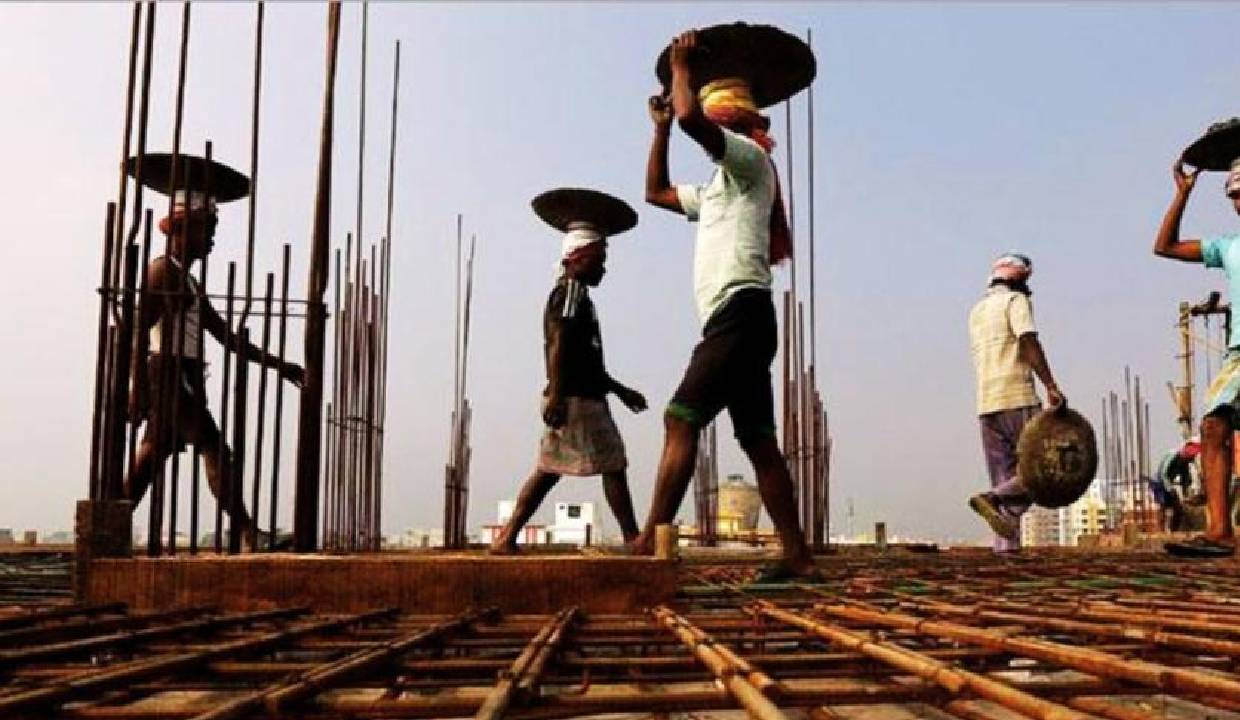
International Labour Day 2026, also known as May Day or Antrarashtriya Shramik Diwas in India, is observed on May 1 every year to honour the contributions and struggles of workers across the world. The day recognises the role of the workforce in social and economic development and highlights the importance of fair labour practices.
The origin of Labour Day is linked to the historic 1886 Haymarket affair in Chicago, where workers protested for an eight-hour workday. In India, the first organised Labour Day celebration took place in 1923 in Chennai (then Madras), led by the Labour Kisan Party of Hindustan under Malayapuram Singaravelu Chettiar, who demanded official recognition of workers’ rights and a national holiday on May 1.
Today, Labour Day is observed globally on different dates. While most countries, including India, celebrate it on May 1, countries like the United States and Canada observe Labour Day in September.
The theme for International Labour Day 2026 is “Ensuring a Healthy Psychosocial Working Environment,” focusing on mental well-being, workplace safety, and social justice in modern work culture. The theme highlights growing concerns around stress, digital work pressure, and employee welfare in a rapidly changing economy.
In India, May 1 also holds regional significance, marking Maharashtra Day and Gujarat Day, which celebrate the formation of the two states in 1960.
Labour Day continues to serve as a reminder of workers’ struggles for fair wages, reasonable working hours, and dignified working conditions, while also addressing new-age challenges faced in today’s workplaces.