Marvels of India - PUNCH-MARKED COINS
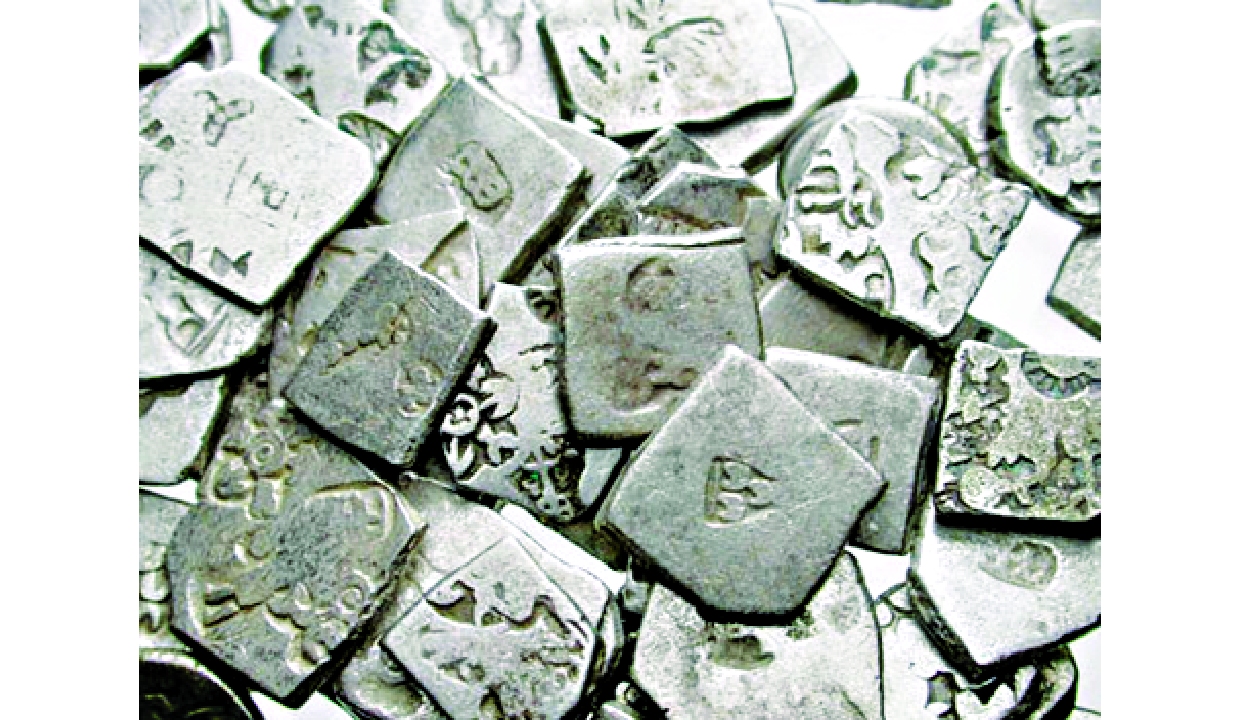
Bharat's Earliest Monetary Marvel
Punch-marked coins (karshapanas), circulating from roughly the 6th century BCE to the 2nd century CE, are recognised as the earliest standardised currency in the Indian subcontinent. Cut from silver (occasionally copper) sheets and stamped with symbols such as the sun, animals and trees, they emerged during the second urbanisation (the first being that of the Harappan civilisation) and the expansion of trade networks among the Mahajanapadas.
Facilitating Commerce
These coins marked the shift from barter to a currency-based economy, with denominations such as pana, ardha-pana, masaka and kakini attested in literary sources including Kautilya's Arthashastra and Panini's Ashtadhyayi. Archaeological hoards spanning present-day Bharat, Pakistan, Afghanistan, Sri Lanka and Bangladesh reveal their wide circulation, integrating regional markets into interconnected trade circuits and routes.
State Finance and Metallurgy
Under the Mauryas, minting shifted from merchant guilds toward centralised authority, supporting taxation and administration. Scientific analysis of coin hoards confirms silver as the predominant metal, alongside copper, lead and trace amounts of gold. At the same time, later series unravel progressive silver decrease, reflecting political transitions. The punch-marked coins constitute physical evidence of Bharat's fiscal history as a leading economic power and a global economic force to reckon with.