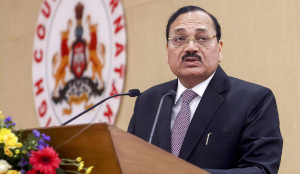
India needs its own model for rare diseases, says ICMR chief
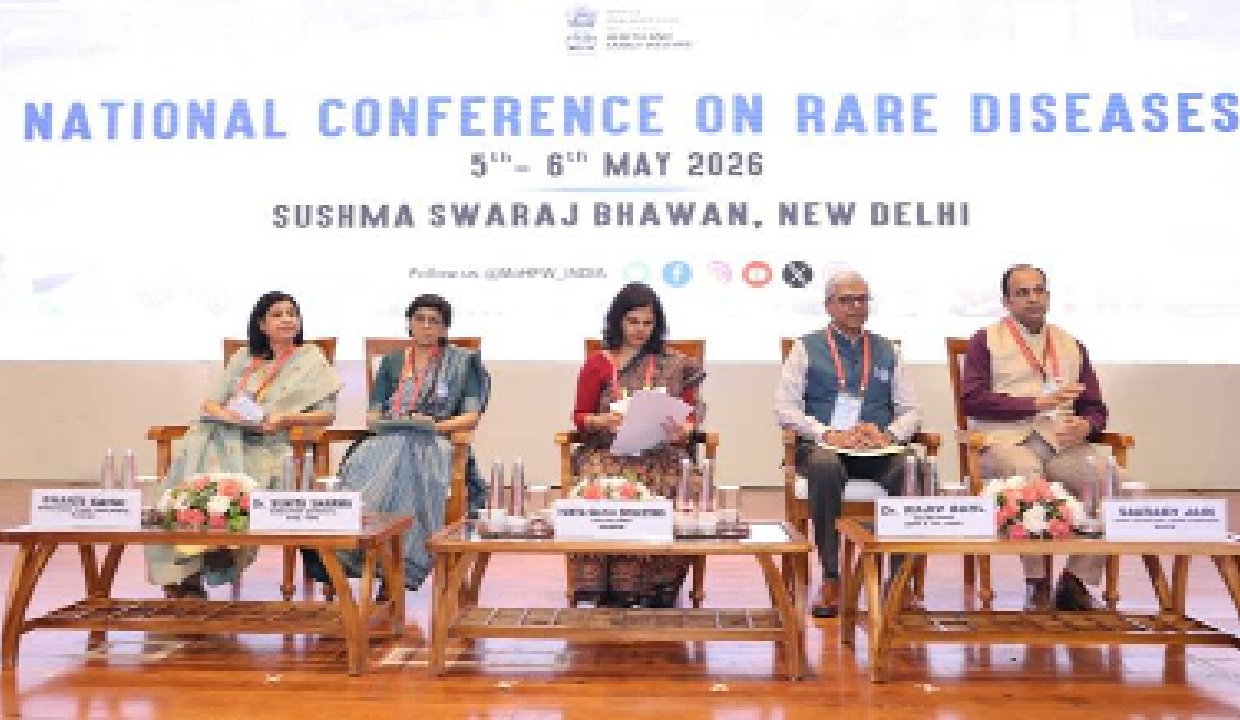
An India-specific model focusing on resource optimisation, indigenous innovation and preventive strategies is needed to strengthen rare disease care in the country rather than relying solely on Western frameworks, ICMR chief Dr Rajiv Bahl said on Tuesday. He also batted for a context-driven approach to tackling rare diseases.
Addressing the two-day national conference on rare diseases organised by the Union Health Ministry in New Delhi, the director general of the Indian Council of Medical Research (ICMR) said India must chart its own path in diagnosis, treatment and prevention rather than relying solely on Western frameworks.
He noted that while developed countries have greater resources, India can leverage its strengths through population-based approaches, preventive strategies, and the effective use of digital technologies, including social media and emerging tools such as artificial intelligence, to expand outreach and improve early detection.
Highlighting the progress over the past three decades, Bahl said, “In the 1990s, identifying a patient with a suspected rare disease often led to a sense of helplessness, as diagnosis was extremely difficult and treatment options were virtually unavailable.” “Today, while even financial support of Rs 50 lakh per patient may seem insufficient given the high cost of therapies, it represents remarkable progress that the country is now able to meaningfully support children affected by rare diseases,” he said.
He emphasised that this evolution reflects a broader shift in healthcare priorities, where attention is not only given to common diseases but also to those affected by rare, often genetic condition and termed the Government’s rare disease programme as “a source of hope for thousands of children.” Stressing the need to optimise available resources, Dr Bahl said that with a defined financial support framework, careful planning of diagnostics and treatment pathways is essential.
He highlighted the value of family-based approaches, including parental genetic analysis and antenatal diagnosis, as cost-effective strategies for prevention and early intervention. Highlighting ongoing efforts, he said the ICMR is actively working to expand the range of tools available for managing rare diseases, including promoting the indigenisation of therapies and encouraging domestic production of affordable alternatives to high-cost drugs in collaboration with industry partners and supported by clinical evaluation through Centres of Excellence.
He also spoke about the use of repurposed drugs, which are “medications that may not fully cure but can significantly improve outcomes and quality of life”, adding that six such drugs have been identified and clinical efforts are being initiated for their use in rare diseases.
On advancements in frontier technologies, Bahl said efforts in gene therapy are being pursued in collaboration with institutions such as the Department of Biotechnology (DBT) and CSIR, noting that “India is making steady progress in this area and is closer than ever to realising such advanced therapies,” citing developments like CAR-T cell therapy.