ICC replaces Bangladesh with Scotland in T20 WC
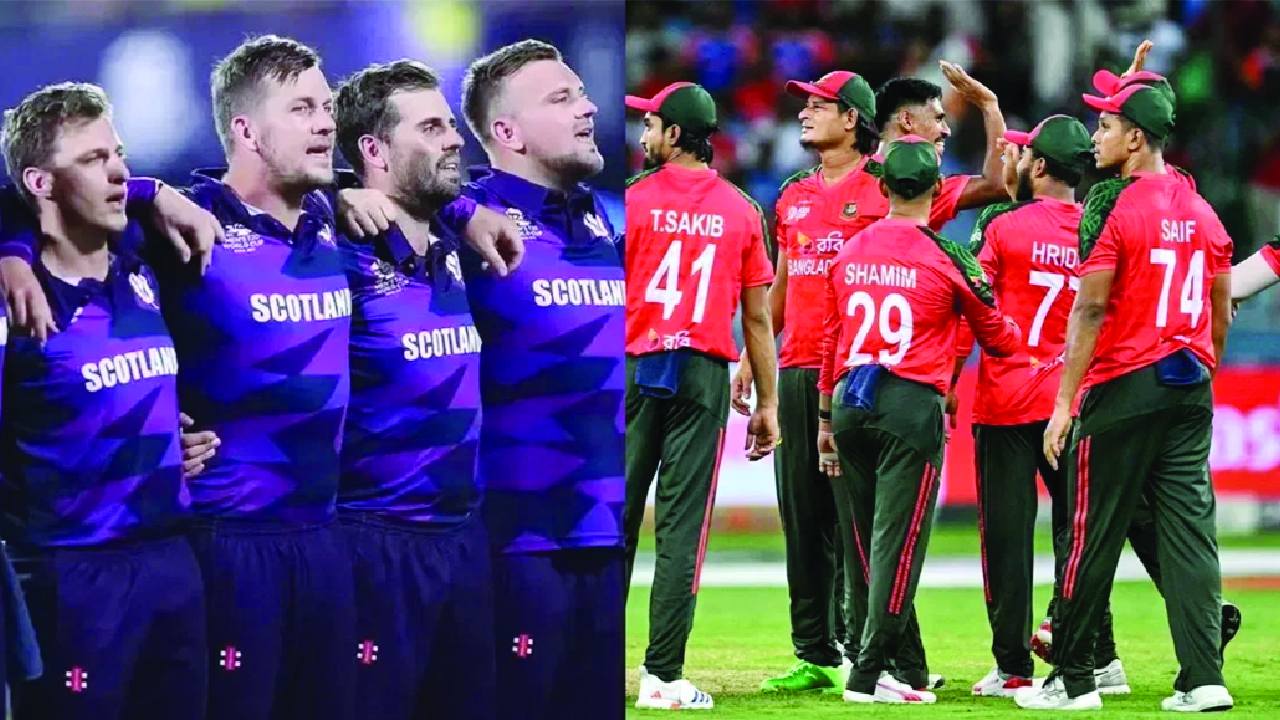
The International Cricket Council (ICC) on Saturday confirmed that Scotland has replaced Bangladesh in the upcoming T20 World Cup, saying the “difficult decision” was taken since it was not feasible to meet BCB’s request to shift their matches to Sri Lanka so close to the tournament.
The Bangladesh Cricket Board (BCB) refused to let its team travel to India citing security concerns in the wake of Mustafizur Rahman’s ouster from the IPL.
ICC maintained that there was no verifiable security threat to the Bangladesh national team, officials or supporters in India and it was not appropriate to amend the published event schedule.
Scotland’s entry into the tournament, starting February 7, ended the suspense over the fate of Bangladesh in the event after BCB stayed adamant in its demand and even suggested that its group be swapped with Ireland’s.
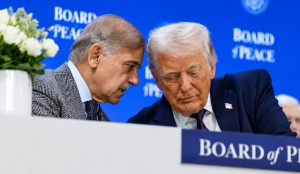
At the ICC Board meeting on Wednesday, Bangladesh lost it proposal to shift matches by an overwhelming 14-2 margin with only Pakistan supporting its cause.
“Bangladesh will no longer compete in the upcoming ICC Men’s T20 World Cup, after the Bangladesh Cricket Board (BCB) refused to participate in the tournament per the published match schedule,” ICC said in a statement.
“The decision follows an extensive process undertaken by the ICC to address concerns raised by the BCB regarding the hosting of its scheduled matches in India.”
It has been learnt that top ICC officials, including chairman Jay Shah, were in Dubai on Friday and late evening an email was sent to BCB chairman Aminul Islam Bulbul informing him about the global body’s decision.
“The ICC’s assessments concluded that there was no credible or verifiable security threat to the Bangladesh national team, officials or supporters in India.
“In light of these findings, and after careful consideration of the broader implications, the ICC determined that it was not appropriate to amend the published event schedule,” the statement added.
The ICC said it had given BCB a 24-hour time-frame to confirm whether its team would participate in India as scheduled.
“As no confirmation was received within the deadline, the ICC proceeded in line with its established governance and qualification processes to identify a replacement team.”
“Scotland are the next-highest ranked T20I team that had originally missed T20 World Cup qualification. They are currently ranked 14th, which in fact is ahead of competing teams Namibia, the United Arab Emirates, Nepal, USA, Canada, Oman and Italy.
“Scotland has been called up to take Bangladesh’s place in Group C, joining England, Italy, Nepal and the West Indies.”
Scotland will play their group games against West Indies (February 7), Italy (February 9) and England (February 14) in Kolkata followed by a game against Nepal in Mumbai on February 17.
Bangladesh Sports Ministry advisor Asif Nazrul had advised against national team travelling to India, citing security issues despite being given repeated assurances by the ICC.
The BCB, in a desperate measure, had also approached the Dispute Resolution Committee (DRC) of the ICC, unaware about the terms of reference of the sub-committee which is not allowed to hear an appeal against a decision made by its own Board of Directors.
While the mandatory independent security assessment threat for Bangladesh was “low to moderate”, same for all teams, anti-India hardliner Nazrul issued a diktat as representative of the interim government that the team cannot be allowed to travel to India in these circumstances.
In fact, the meeting between Nazrul and national team players turned out to be a one-way communication with Nazrul doing all the talking and telling the star cricketers that they won’t be allowed to participate in the tournament.
setback for BCB
The implications of this unceremonious ouster will also badly hit BCB’s coffers. The board will lose $500,000 participation fee that each nation gets. But the bigger potential loss will be ICC’s annual revenue. The BCB annually receives close to $27 million (330 crore BDT) as a share of its revenue from the ICC and that itself constitutes around 60 per cent of its annual budget.