How Ukraine’s front line became a laboratory for drone innovation
The night air in eastern Ukraine is crisp, and a myriad of stars scatter above a small crew of soldiers watching for Iranian-designed Shahed drones that Russia launches in waves.
Such teams are deployed across the country as part of a constantly evolving effort to counter the low-cost loitering munitions that have become a deadly weapon of modern warfare, from Ukraine to West Asia.
While waiting, the crew from the 127th Brigade tests and fine-tunes their self-made interceptor drones, searching for flaws that could undermine performance once the buzzing threat appears. When Shahed drones first appeared in autumn 2022, Ukraine had few ways to stop them.
Today, drone crews intercept them in flight with continually adapting technology.
In recent years, Ukraine’s domestic drone interceptor market has burgeoned, producing some key players who tout their products at international arms shows. But it’s on the front line where small teams have become laboratories of rapid military innovation — grassroots technology born of battlefield necessity that now draw international interest.
President Volodymyr Zelenskyy says US allies in the west Asia have approached Ukraine for help in defending against Iranian drones, the same type that Russia has fired by the tens of thousands in the 4-year-old war.
Iran has also used the same drones in retaliation for joint US-Israeli strikes, at times overwhelming far more sophisticated Western-made air defenses and highlighting the need for cheaper and more flexible countermeasures. “It’s not like we sat down one day and decided to fight with drones,” said a pilot with Ukraine’s 127th Brigade, sitting at his monitor after completing a preflight check. “We did it because we had nothing else.” How the drone war began. Moments earlier, the pilot carefully landed his interceptor drone to avoid damaging it. He spoke on condition of anonymity because military rules did not allow him to be quoted by name.
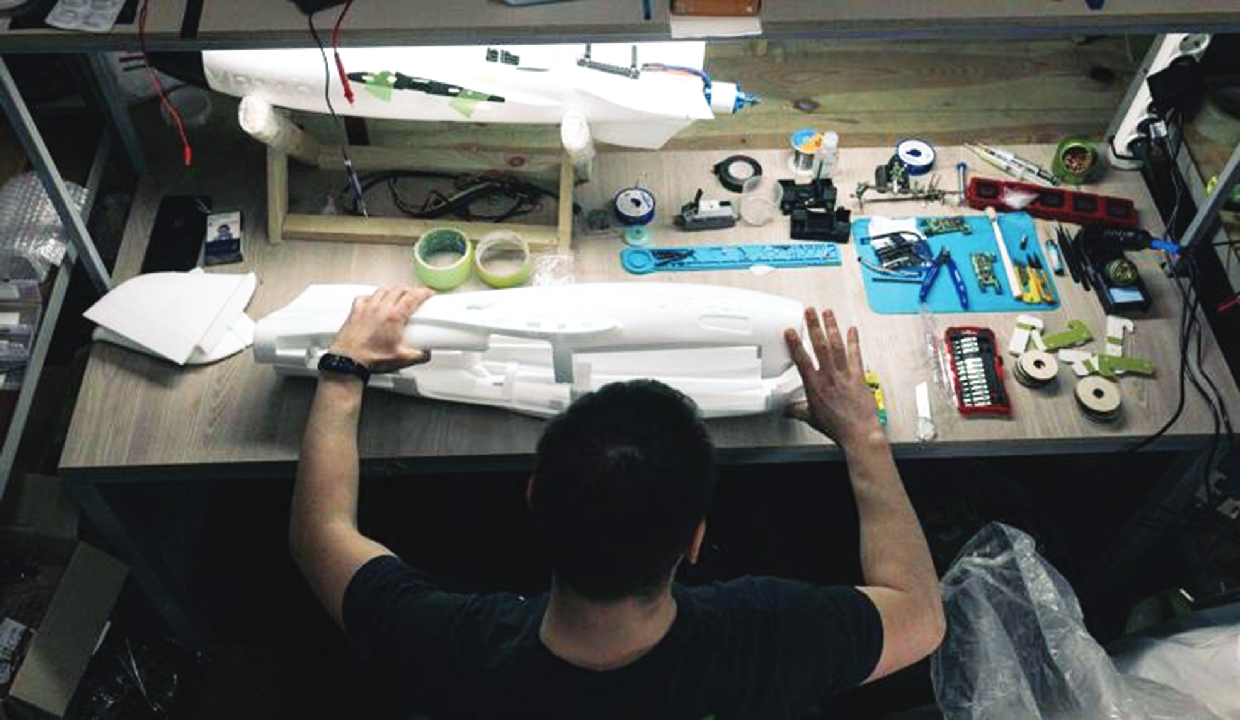
Though designed to be disposable, limited resources mean Ukrainian crews try to preserve every tool they have, often reusing even single-use drones to study their weaknesses and improve them.
“Just imagine - a Patriot missile costs about $2 million, and here you have a small aircraft worth about $2,200,” the pilot said. “And if it doesn’t hit the target, I can land it, fix it a bit and send it back into the air. The difference is huge. And the effect? Not any worse.” Ukraine’s 127th Brigade is building an air defense unit centered on interceptor drone crews - a model increasingly adopted across the military. Leading the brigade’s effort is a 27-year-old captain, who previously served in another formation where he had already helped organize a similar system.
He also spoke on condition of anonymity because military rules did not allow him to be quoted by name.
He clearly remembers the moment about two years ago when everything changed. He said he was assigned to lead a group of soldiers ordered to intercept Russian reconnaissance drones using shoulder-fired air-defense missiles.