Finland’s plan to bury spent nuclear waste carries risk to future generations
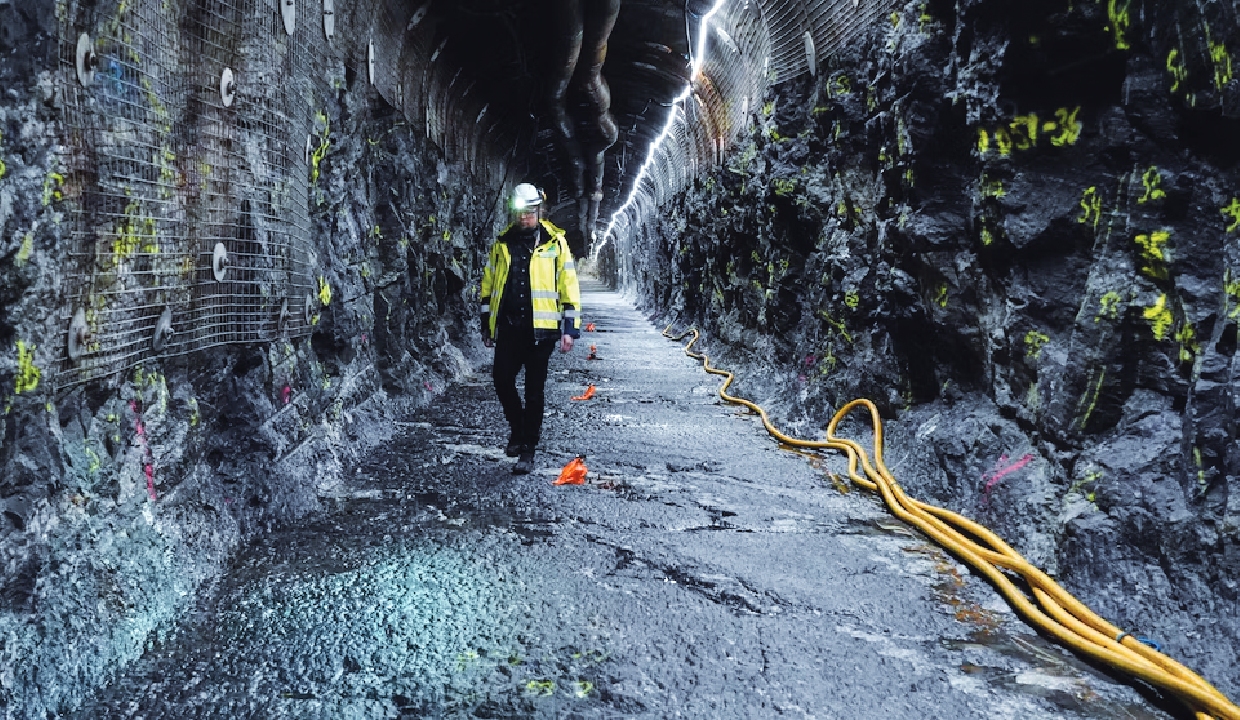
With the push of a button, the elevator descends hundreds of meters in seconds into the dark depths of Onkalo.
“We are now at about minus 430 meters (1,411 feet),” muttered geologist Tuomas Pere as he steered a car through a labyrinth of man-made tunnels. “We are driving through 1.9-billion-year-old bedrock.”
After decades of construction, the world’s first facility for permanently disposing of spent nuclear fuel is set to begin operations in Finland, becoming a final resting place for tons of dangerous radioactive waste.
Construction of Onkalo - which means “cave” in Finnish - began on the west coast in 2004. It sits on the secluded island of Olkiluoto, in a dense wooded area.
The closest town is Eurajoki, about 15 kilometers (9.3 miles) inland, which is home to about 9,000 people. Many work at the nuclear power plant or storage facility. The 1-billion-euro ($1.2 billion) project could soon become operational, with authorities expected to grant a license within months.
The Associated Press took a tour of the facilities where humans soon will not be allowed to tread.
Pere said the site — near three of Finland’s five nuclear reactors — was chosen for its migmatite-gneiss bedrock, which is known for its high stability and low risk of earthquakes. “It’s the isolation from civilisation and mankind on the surface that’s important,” he said, standing in a darkened disposal tunnel, soon to be sealed from humanity. “We can dispose of the waste more safely than by storing it in facilities located on the ground.”
Using unmanned machinery at a nearby encapsulation plant, radioactive rods will be sealed in copper canisters and then buried deep in tunnels over 400 meters underground, then packed in with “buffer” layers of water-absorbing bentonite clay.
Posiva, the company responsible for the long-term management of Finland’s spent nuclear fuels, says Onkalo can store 6,500 tons of spent nuclear fuel.
The final disposal canisters are designed to remain sealed “long enough for the radioactivity of spent fuel to decrease to a level not harmful to the environment,” it said.
“The solution that we have, it’s the missing point for sustainable use of nuclear energy,” said Posiva communications manager Pasi Tuohimaa.
Finnish nuclear power companies are paying for the project, he said, adding that they have saved money for decades for that purpose.
Posiva estimates it will take hundreds of thousands of years before the radioactivity falls to normal, background levels.