Harish Rana passes away at AIIMS
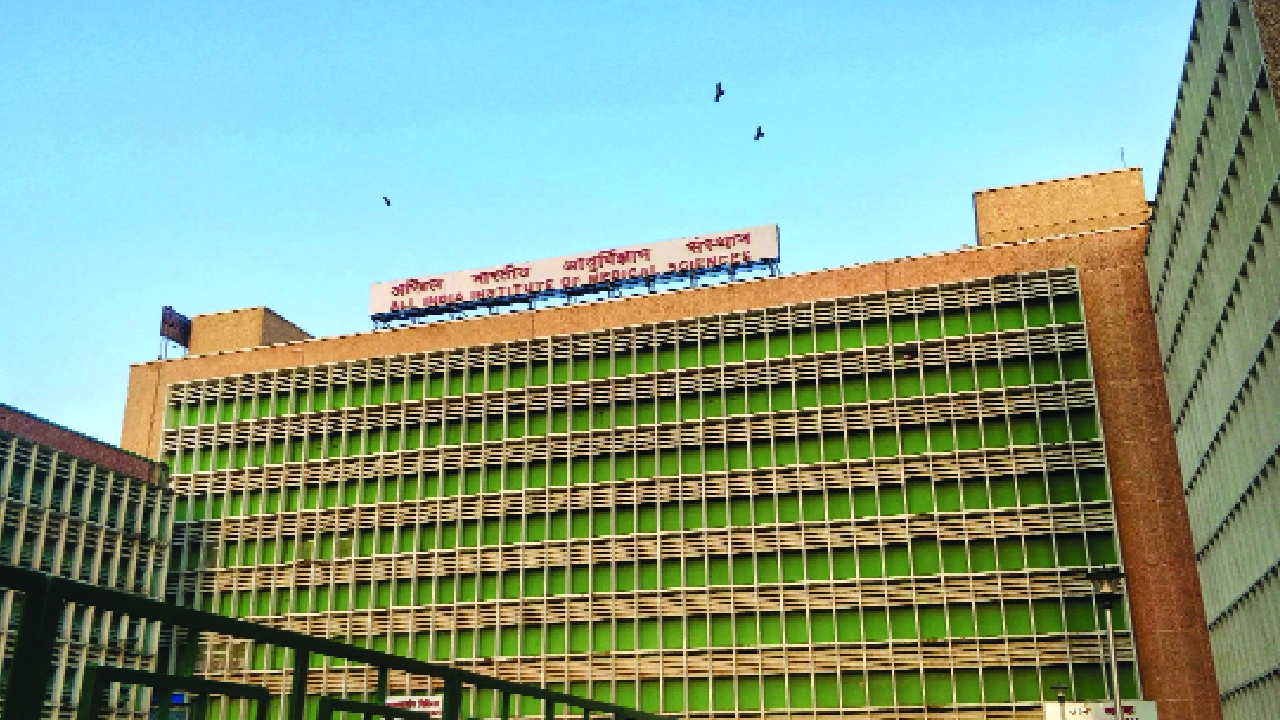
Harish Rana, who spent 13 years in a coma and became the face of a landmark legal battle on the right to die with dignity, died at AIIMS Delhi on Tuesday, bringing an end to a long and painful vigil for his family. Rana had remained in a persistent vegetative state since 2013, surviving on life-support systems with no signs of recovery. His death closes a deeply emotional chapter for his family, who had stayed by his side for over a decade, hoping for a miracle that never came.
Hospital sources said Rana had been under prolonged medical care, with doctors earlier confirming that there was no realistic chance of improvement in his
condition. As his case drew national attention, his family approached the Supreme Court seeking permission for passive euthanasia. This plea followed years of treatment and mounting medical evidence that his condition was irreversible.
After examining expert reports, the top court allowed withdrawal of life-sustaining treatment under strict safeguards. This decision reinforced the principle that the right to die with dignity is part of the right to life. With court approval granted, Rana was shifted to palliative care at AIIMS, marking a transition from aggressive to comfort-focused treatment. Doctors then began to gradually withdraw the interventions keeping him alive.
Despite the legal clarity, the emotional burden remained with the family. For years, Rana’s bedroom had become a space of waiting: where festivals were marked quietly, conversations continued in hope, and time seemed to stand still. His parents and loved ones remained present through it all, refusing to give up even as medical possibilities narrowed. Those close to the family said the final days were marked by acceptance rather than expectation.
Rana’s prolonged condition had also exposed the practical challenges families face in end-of-life decisions. While the Supreme Court has laid down guidelines on passive euthanasia and living wills, implementation often remains complex, involving multiple approvals and medical reviews.
Even so, Rana’s case helped bring clarity to the legal framework and sparked wider public discussion on dignity in death. Doctors say patients in a persistent vegetative state can survive for years with artificial support, but recovery in such cases is extremely rare once the condition becomes prolonged.
Rana’s death, therefore, was not unexpected medically, but it carried emotional weight for those who had followed his journey. For his family, it marked the end of a 13-year wait: a period defined by care, uncertainty, and difficult choices.
His story leaves behind more than a legal precedent. It leaves a reminder of the human cost behind such cases, where decisions are not just clinical or legal, but deeply personal. With his passing, a case that once stood in courtrooms now rests in the memory of a man who lay silent for years, and a family that stayed, until the end.