Delhi Govt announces 2 days WFH, amid PM Modi’s fuel saving appeal
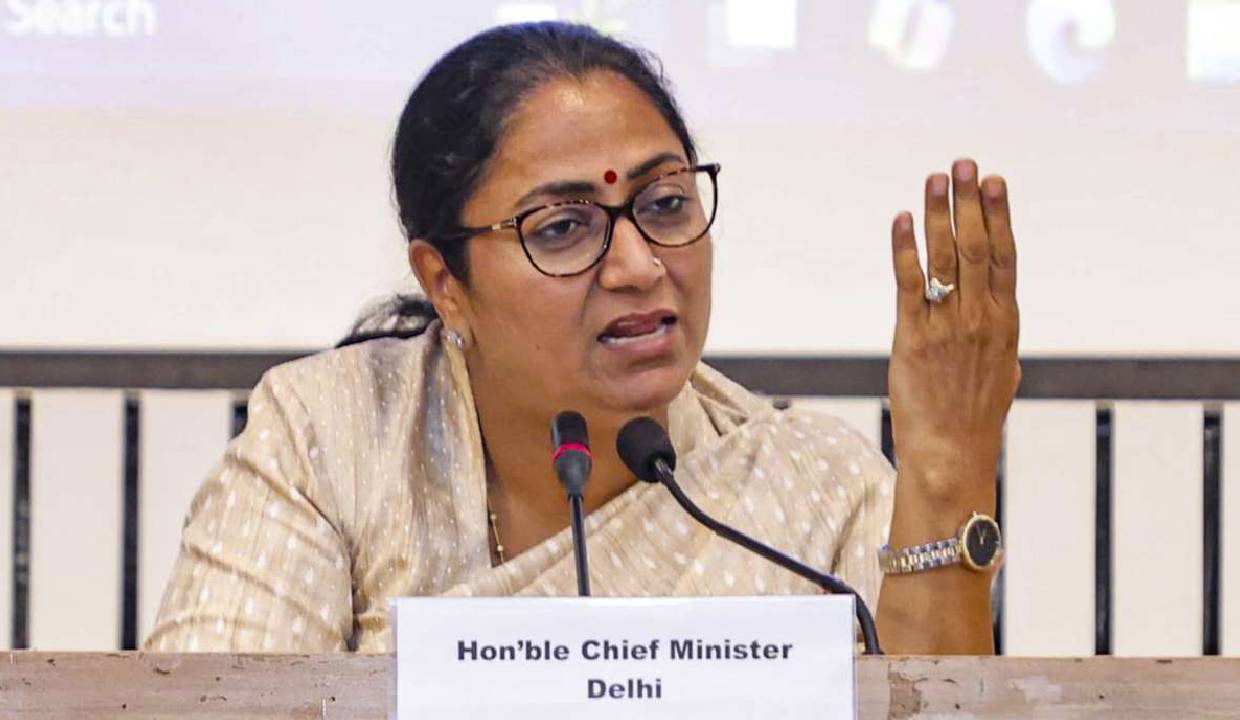
The Delhi government announced a series of major fuel-conservation and administrative reforms, including two days of work-from-home (WFH) every week for government offices, in line with Prime Minister Narendra Modi’s appeal to reduce fuel consumption amid global economic uncertainties.
The new measures will come into effect from Friday, officials said.
Alongside the WFH decision, the Delhi government has also significantly reduced the Chief Minister’s official convoy by nearly 60 per cent, bringing it down to just four vehicles, including two electric vehicles (EVs), marking a shift towards cleaner and more sustainable official mobility.
The government also launched a new campaign titled “Mera Bharat Mera Yogdan” (My India, My Contribution) to encourage citizens and officials to adopt fuel-saving habits and efficient governance practices.
As part of the initiative, every Monday will now be observed as “Monday Metro”, encouraging ministers, officers, and employees to use the metro for official travel.
The government has also appealed to citizens to observe one “No Vehicle Day” every week to reduce traffic congestion and fuel usage.
Further, no new petrol, diesel, or electric vehicle purchases will be made by the Delhi government for the next six months. Transport allowance for employees has been increased by 10 per cent.
In another major decision, the government has imposed a one-year ban on official foreign travel by ministers and officers.
A 90-day awareness campaign will also be launched, during which citizens will be administered a pledge on fuel conservation and nation-building.
To reduce electricity consumption, air conditioners in government offices will be regulated between 24°C to 26°C, and master switches will be installed to prevent unnecessary power wastage.
The announcement comes after PM Modi recently urged citizens and institutions to adopt fuel-saving measures such as increased use of public transport, carpooling, EV adoption, and work-from-home arrangements.
Experts have described the initiative as part of “economic prudence” amid rising global energy pressures and supply chain disruptions.
Leave a Comment
Comments (1)
dillie govt's employees working from home might be a good idea. it would really be helpful if a study is conducted concurrently to see its likely proportionate effect on corruption.