Govt signs MoU with RBI for full banking, cash management
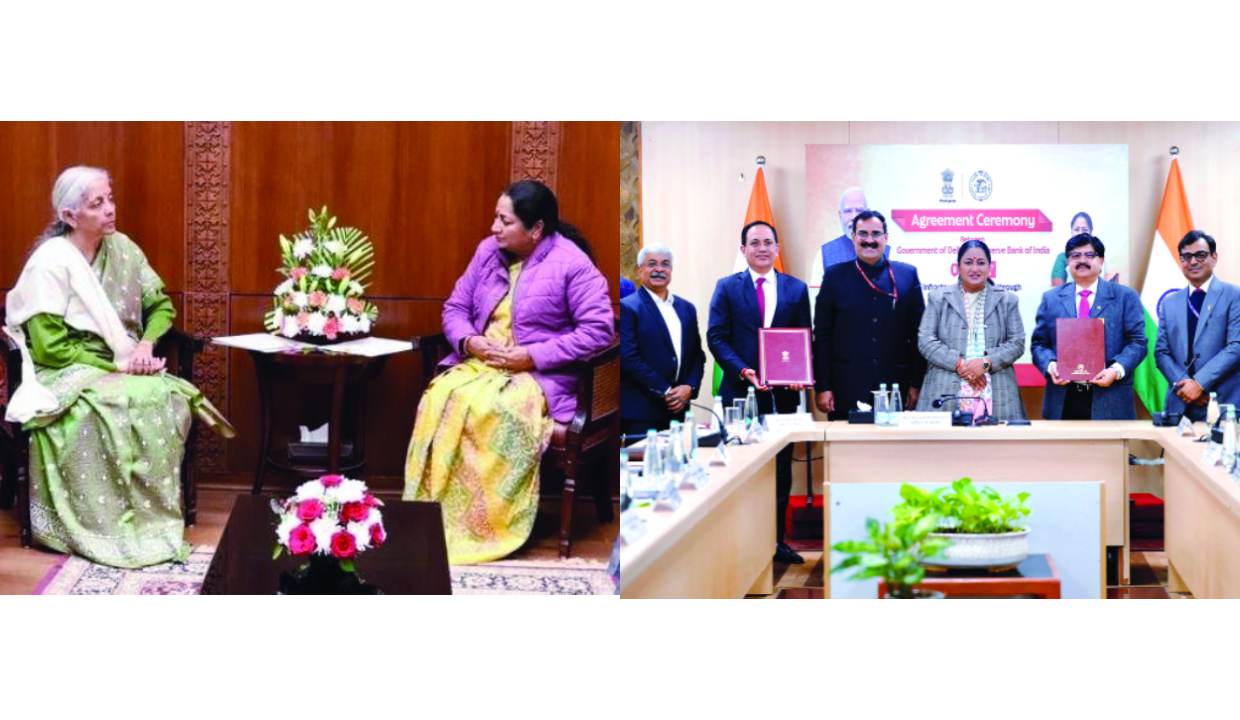
The Delhi Government on Monday signed a landmark Memorandum of Understanding (MoU) with the Reserve Bank of India (RBI), bringing the national capital under the RBI’s full banking, cash management, and debt framework for the first time. The move ends decades of ad hoc financial arrangements and places Delhi on par with other states in terms of fiscal operations.
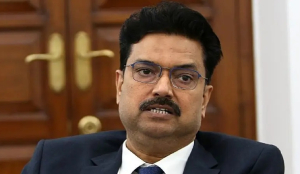
Under the agreement, the RBI will act as the banker, debt manager, and financial agent of the Government of NCT of Delhi. This will allow the capital to raise funds through market borrowings, invest surplus cash automatically, and access low-cost liquidity facilities, all within the framework laid down by the Government of India and the RBI Act. The MoU was signed at the Delhi Secretariat during a meeting chaired by Chief Minister Rekha Gupta, who also holds the finance portfolio. Senior officials from the RBI and the Delhi government were present, including Additional Chief Secretary (Finance) Bipul Pathak and Delhi Chief Secretary Rajiv Verma.
Chief Minister Rekha Gupta said the decision marks a decisive shift toward fiscal discipline and institutional governance. “Despite being the nation’s capital, Delhi remained outside the RBI’s structured banking system for years. This agreement brings transparency, discipline, and professional financial management,” she said.
Officials said the MoU enables Delhi to raise money through State Development Loans at competitive interest rates of around 7 per cent. Earlier, the capital depended on alternative sources of borrowing that often-carried interest rates as high as 12 to 13 per cent, adding pressure on public finances.
Another key feature of the agreement is automatic investment of surplus funds. Any excess cash balance with the Delhi government will now be invested daily through RBI mechanisms, ensuring interest income and preventing idle public funds. In the past, large sums remained unutilised, leading to revenue losses.
The RBI will also provide short-term liquidity support through Ways and Means Advances and Special Drawing Facilities. These facilities will help manage temporary cash flow mismatches without emergency borrowing or financial strain. With the signing of the MoU, Delhi now joins other states and Union Territories with legislatures that operate fully under the RBI’s banking and debt management framework. Officials said this will improve creditworthiness, strengthen investor confidence, and align Delhi’s finances with national standards. The reform follows sustained engagement between the Delhi government and the Centre. Officials said the MoU came after discussions between Chief Minister Rekha Gupta and Union Finance Minister Nirmala Sitharaman in December 2025, during which issues related to fiscal autonomy and modernisation of Delhi’s financial architecture were taken up.
A Government of India notification dated January 2, 2026, and effective from January 9, formally separates Delhi’s Public Accounts from those of the Government of India. This gives the capital an independent banking and borrowing structure for the first time.
The Chief Minister said funds raised through market borrowings would be used strictly for capital expenditure. “Borrowing will not be used for day-to-day expenses. It will be limited to asset creation that delivers long-term benefits,” she said.
Priority sectors identified for investment include Yamuna rejuvenation and drainage infrastructure, drinking water supply systems, hospitals and health infrastructure, public transport, roads, flyovers, and urban mobility projects. Reflecting this shift, the Delhi Government’s Budget for 2025-26 has provided for capital expenditure nearly 135 per cent higher than the actual spending in the previous year, officials said.