Govt clears CM Skill Development Scheme
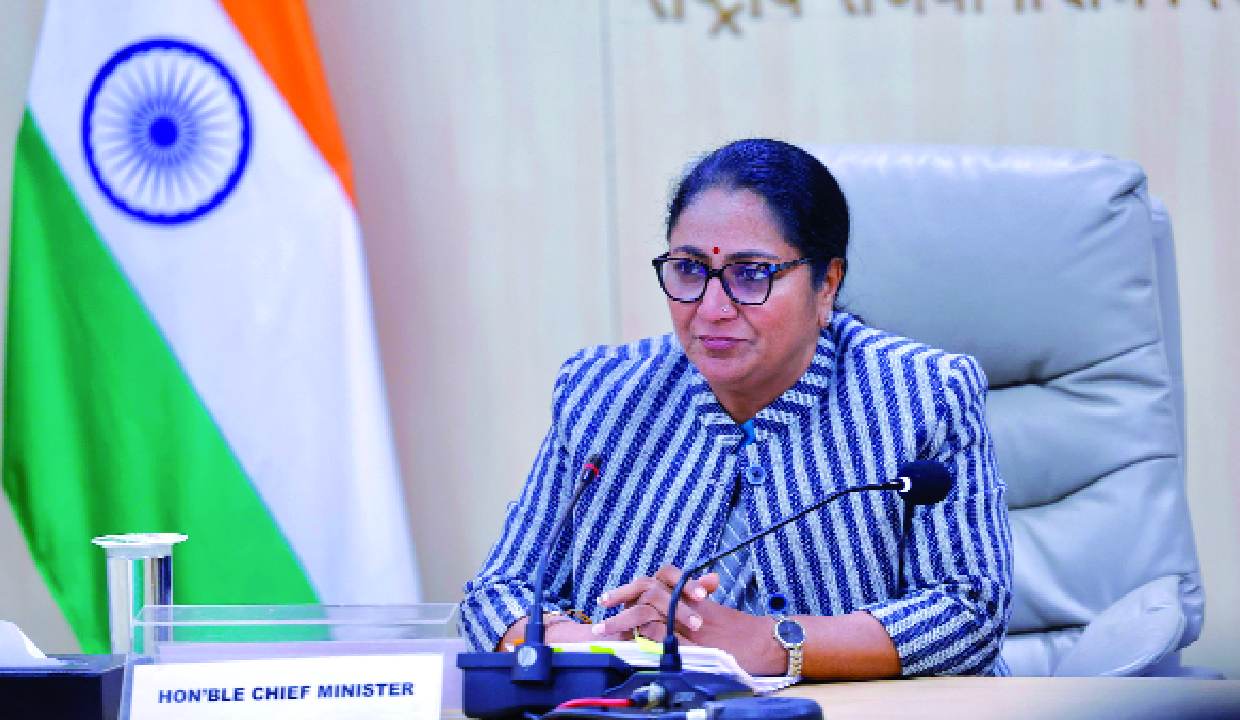
Chief Minister Rekha Gupta has approved the “Chief Minister Skill Development Scheme” aimed at providing structured training, financial support and digital market access to artisans engaged in khadi, handloom, cottage industries and the unorganised sector.
The scheme will be implemented through the Delhi Khadi and Village Industries Board (DKVIB). During 2025–26, a total of 3,728 beneficiaries will be trained, with Rs 8.95 crore already approved for this phase. For 2026-27, a proposed allocation of Rs 57.50 crore is likely to be brought in to expand the programme at a much larger scale. The decision was cleared at a recent Cabinet meeting chaired by the Chief Minister. Announcing the move, she said Delhi’s artisans are the true custodians of the city’s cultural heritage.
The scheme, she said, is designed to link skills with sustainable livelihoods and expand opportunities for workers in the evolving economy. The programme will be implemented through the Delhi Khadi and Village Industries Board (DKVIB). During 2025-26, 3,728 beneficiaries will be covered under the first phase, for which Rs 8.95 crore has been approved. A proposed outlay of Rs 57.50 crore for 2026-27 is expected to significantly scale up the initiative, it stated.
Under the scheme, beneficiaries will undergo 12 days (96 hours) of structured training, including a two-day Entrepreneurship Development Programme. Training will be conducted in batches of 35 to 45 participants to ensure focused guidance, the statement said.
It further mentioned that each trainee will receive a stipend of Rs 4,800 for the training period, along with Rs 100 per day towards meals. Essential toolkits, including foot-operated sewing machines where required, will also be provided after completion of training.
A key component of the scheme is digital onboarding. E-catalogues containing artisans’ profiles, product details and photographs will be created and uploaded on the ONDC platform to enhance visibility of their products across domestic and international markets, it read.
The initiative also includes Recognition of Prior Learning (RPL) to formally certify artisans who already possess traditional skills, it stated and added that beneficiaries will receive a certificate and identity card, and will be assisted with Udyam registration, branding support and guidance on accessing credit facilities.
In the first phase, the scheme will focus on nearly 18,000 tailors registered on the e-Shram portal. It will subsequently be expanded to include other traditional occupations such as embroiderers, potters, carpenters, cobblers, basket makers, bamboo artisans, carpet weavers and others, as per the statement.