Govt approves 4.72-km flood protection wall along Ring Road
The Rekha Gupta Government in Delhi has approved the construction of a 4.72-kilometre flood protection wall along a vulnerable stretch of the Ring Road to shield the capital from Yamuna floods.
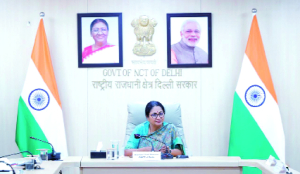
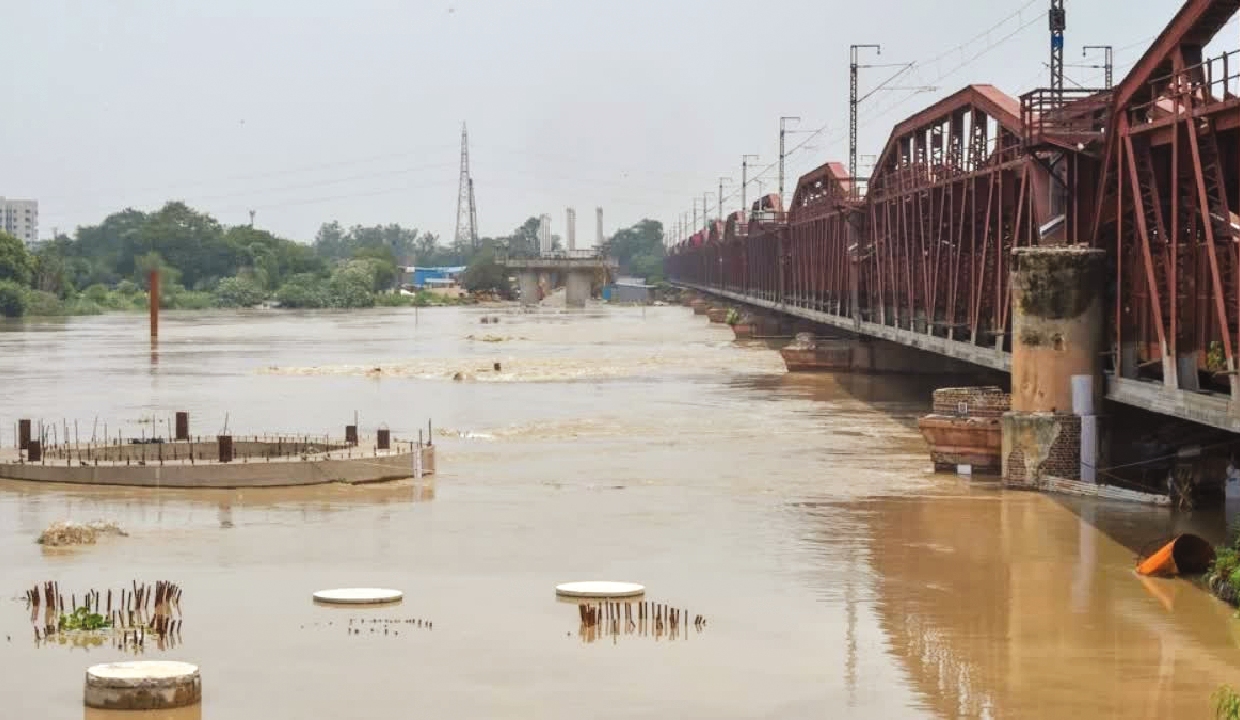
Sharing details, Chief Minister Rekha Gupta announced that a 4.72-kilometre-long wall will be built from Majnu Ka Tila to the Old Railway Bridge (ORB), with a target to complete the project before the next monsoon season.
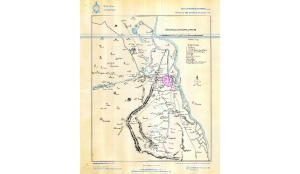
The project draws on recommendations made in the August 2024 report of the Joint Flood Committee (JFC), which was based on detailed hydraulic modelling and data analysis by experts from the Central Water and Power Research Station (CWPRS), Pune.
According to project details, the proposed flood wall will cover a stretch of approximately 4.72 km. Of this, about 850 metres in sections identified as high-risk flood zones will be constructed using reinforced cement concrete, while the remaining 3,870 metres will consist of brick or stone masonry barriers. The wall will be designed to stand roughly six feet above the expected maximum flood level to create a safety margin and prevent floodwaters from entering adjoining urban areas.
Once in place, the wall will act as a robust barrier, preventing Yamuna waters from spilling into residential areas. It is expected to provide a strong layer of protection to vulnerable localities such as Civil Lines, Kashmere Gate, Yamuna Bazaar and Majnu Ka Tila areas that have historically faced the worst impact whenever water levels rise.
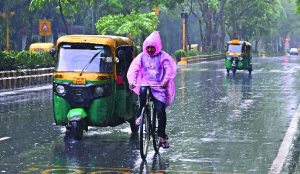
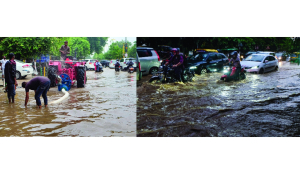
For decades, floodwaters have entered the city through low-lying pockets around Majnu Ka Tila, often submerging stretches of the Ring Road and bringing normal life in Delhi to a standstill. From the devastating floods of 1978 to more recent episodes in 2023 and 2025, this stretch has remained particularly exposed.
The wall will be designed to rise roughly six feet above the anticipated maximum flood level to prevent river water from entering nearby residential and commercial zones. The proposed wall will be built close to one of the city’s major transport corridors, making the project significant for maintaining traffic movement during flood events. The Ring Road runs parallel to parts of the Yamuna and connects several key neighbourhoods and commercial districts in the northern part of the capital. Flooding along this corridor has previously caused major disruptions to daily commuting and logistics movement.
The initiative follows the severe flooding of 2023 that affected several parts of north Delhi and disrupted traffic and daily activity in the capital. The Chief Minister noted that the existing embankments are no longer adequate to deal with future challenges, making it imperative to adopt a durable, long-term solution.
Official data shows that the Yamuna touched a record level of 208.66 metres in 2023, surpassing the previous high of 1978. In 2025 as well, the river crossed the danger mark of 205.33 metres, rising to 207.48 metres.
Warning that such extreme situations could recur, the Chief Minister said the proposed wall offers a strong and lasting safeguard.
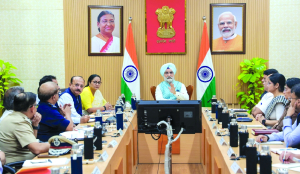
The Chief Minister said the decision, formally cleared as part of the budget, is rooted in the city’s repeated experience with severe flooding. She underlined that the Government is now moving decisively towards a permanent solution, rather than relying on temporary or stopgap measures.
In 2024, the Joint Flood Committee (JFC) had recommended to construct a wall, which was based on detailed hydraulic modelling and data analysis by experts from the Central Water and Power Research Station (CWPRS), Pune.
The study had clearly identified the construction of a flood protection wall along this stretch of the Ring Road as the most viable long-term solution. Gupta also pointed out that no concrete decision was taken by the previous government, leaving these areas repeatedly vulnerable to flooding.
Explaining the broader impact, she said the wall will serve as a protective shield between the river and the city, preventing overflow onto roads. It will also help check riverbank erosion, thereby safeguarding nearby roads and building foundations. In addition, the structure is expected to curb illegal dumping of waste along the riverbanks, helping preserve the floodplain and protect the Yamuna’s ecosystem.