Goa Govt challenges Tejpal acquittal in Bombay HC
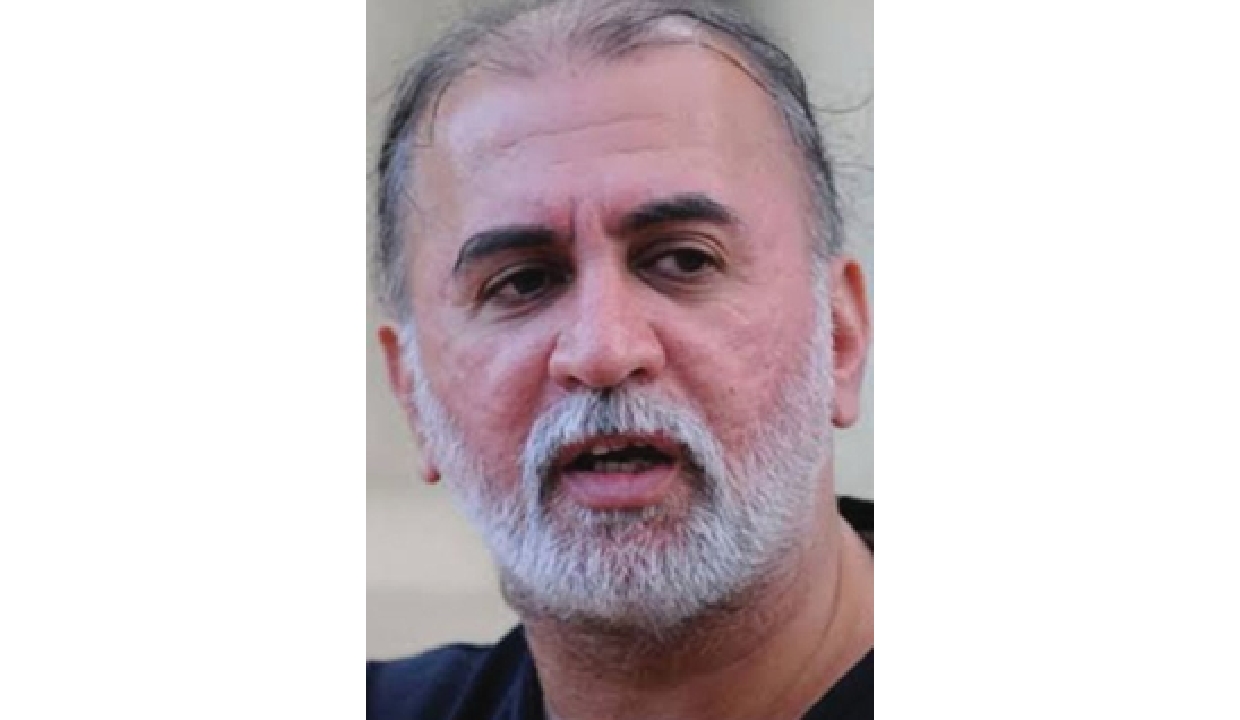
The Goa Government on Wednesday argued in the Bombay High Court that the acquittal of Tehelka magazine founder editor Tarun Tejpal by the trial court in a sexual assault case was based on an erroneous appreciation of evidence.
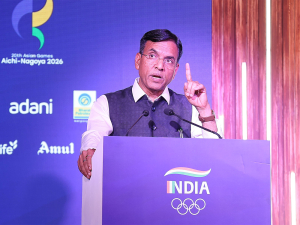
Senior advocate Tushar Mehta, appearing for the Goa government, also urged the division bench of Justices Amit Borkar Jamsandekar and Neela Gokhale to carefully scrutinise the trial court’s judgment.
The Goa bench of the Bombay HC was hearing the state’s appeal challenging Tejpal’s acquittal.
The case stems from allegations made by a former female colleague of Tejpal, who accused him of sexually assaulting her inside a hotel elevator during an event organised by Tehelka magazine in Goa in November 2013.
In 2021, a sessions court acquitted Tejpal of all charges, observing that the complainant “did not demonstrate any kind of normative behaviour” that a victim of sexual assault “might plausibly show”. The trial court’s judgment came under criticism from several quarters for its observations on the complainant’s conduct and behaviour. Mehta contended that the trial court had misplaced reliance on evidence relating to the prosecutrix’s social media activity. He, however, acknowledged the settled legal position that an acquitted person enjoys a reinforced presumption of innocence - both the ordinary presumption available under criminal law and the additional presumption arising from an acquittal by a competent court. communications. “The evidence was examined only for the limited purpose of testing the credibility of the versions placed before the court. It was never intended to comment upon, nor did it establish, any allegation “At the same time, the law is equally clear that the appel late court’s powers are not curtailed merely because the appeal is directed against an acquittal,” Mehta argued. regarding the general moral character of the prosecutrix,” he submitted.
He argued that the record did not support the conclusions drawn by the trial court and that the findings were contrary to the evidence on record, amounting to a “misappreciation of material” placed before it.
Mehta further submitted that the conclusions reached by the trial court were “perverse and unsustainable” and that the acquittal was based on inferences not borne out by the record.
Addressing the scope of appellate jurisdiction, he said the high court, while hearing an appeal against acquittal, possesses powers as wide as those available in an appeal against conviction. He submitted that where findings of the trial court are perverse, manifestly erroneous or based on a misreading of evidence, the appellate court is fully empowered to reappreciate the evidence and arrive at its own conclusions.