Gen Z: India’s first AI generation
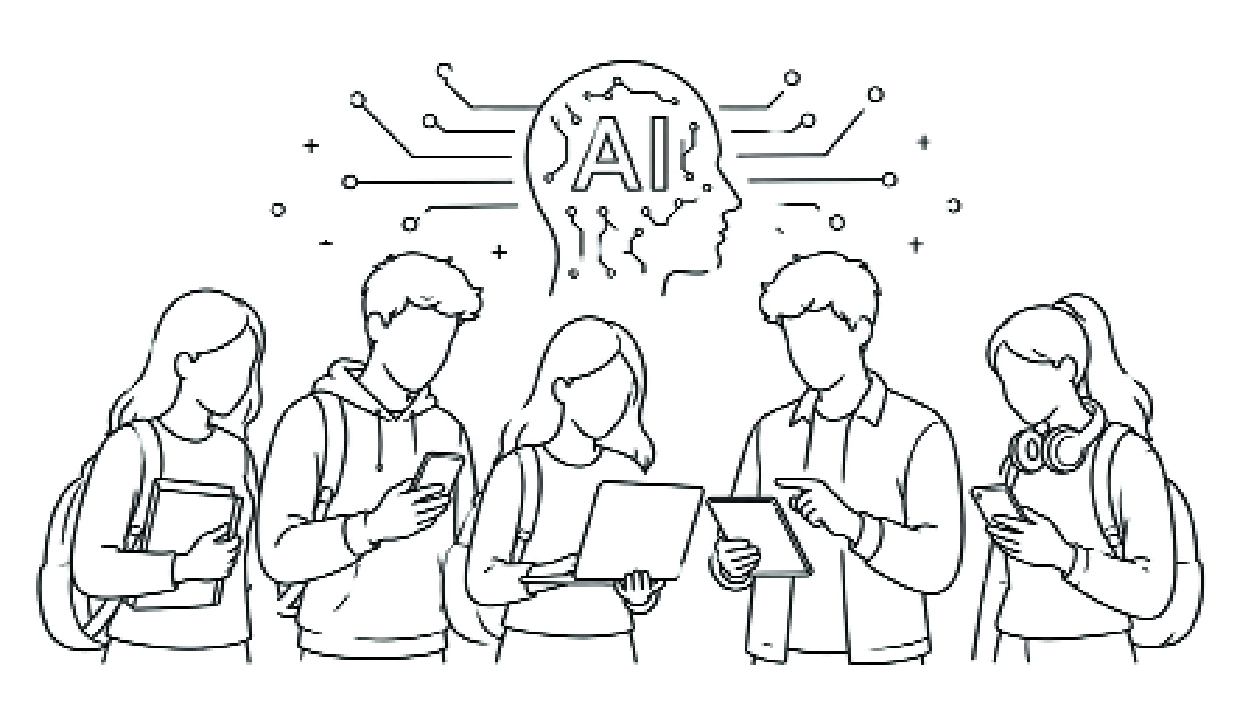
Gen Z holds the key to transforming India’s demographic dividend into a lasting AI dividend
‘Gen Z’ has emerged as one of the most talked — about terms in India in recent past. The spotlight on this generation reflects a growing recognition that its aspirations, choices and capabilities will profoundly influence the country’s future. Yet an even bigger story is unfolding beyond the headlines. Gen Z is India’s first generation to step into higher education and the workplace in the age of AI.
For the Baby Boomers, the defining technology was television. Generation X witnessed the rise of the personal computer. Millennials transformed the smartphone into an indispensable companion. Gen Z grew up in the age of social media, with platforms such as Instagram becoming integral to communication, creativity and self-expression. It is now the first generation to begin its professional journey alongside AI. Unlike earlier technological revolutions that unfolded over decades, AI is evolving at a remarkable speed.
India’s AI dividend
India is uniquely placed in this transformation. With one of the world’s youngest populations, the country possesses an extraordinary demographic advantage. Yet demographics alone do not guarantee prosperity. India’s demographic dividend will remain a statistic unless it is transformed into an economic and an AI dividend. That transformation will depend on whether its Gen Z are equipped to thrive in an AI-driven world.
India’s digital public infrastructure, expanding startup ecosystem and growing adoption of AI across sectors provide fertile ground for innovation. If educational institutions, industry and policymakers work in concert, the country has an opportunity not merely to participate in the global AI revolution, but to help shape it.
AI is already changing the nature of work. Routine tasks such as drafting documents, analysing large volumes of data, scheduling activities and generating basic content are increasingly being automated. Consequently, employers are beginning to value qualities that machines cannot easily replicate, like critical thinking, creativity, ethical judgement, learning agility and emotional intelligence. AI is not simply changing jobs; it is changing the skills that make people employable. The future belongs to those who can outthink AI.
AI as a thinking partner
This presents both an opportunity and a challenge for India’s Gen Z. Unlike earlier generations, today’s students have unprecedented access to powerful AI tools that can explain concepts, summarize information, generate ideas and accelerate learning. However, frequent use of AI should not be mistaken for AI literacy. Knowing how to use an AI application is very different from knowing how to frame effective prompts, verify responses, recognise inaccuracies and apply AI thoughtfully. True AI literacy also means understanding AI’s limitations, recognising bias, safeguarding privacy and knowing when human judgement must prevail. AI should become a thinking partner, not a thinking substitute.
Across classrooms and campuses, one sees students increasingly turning to AI for explanations, summaries and assignments. This need not be viewed with alarm. Every transformative technology has altered the way people learn and work. The real question is not whether students should use AI, but whether they continue to ask probing questions, challenge assumptions and develop independent judgement. Technology should amplify human intelligence, not diminish it.
AI — A powerful force multiplier
India’s thriving startup ecosystem offers another reason for optimism. AI is lowering barriers to innovation and entrepreneurship. A young graduate today can build digital products, analyse markets, create educational content or launch specialised services with resources that would have been unimaginable a decade ago. AI enables individuals and small teams to achieve outcomes once possible only for large organisations. Used wisely, it can become a powerful force multiplier for innovation, productivity and inclusive growth.
The five Cs framework
Gen Z’s success in the AI era will depend less on mastering every new tool than on cultivating five enduring capabilities which I call the Five Cs: Curiosity to ask better questions, Critical Thinking to evaluate AI-generated answers, Creativity to produce original ideas, Collaboration to work effectively with both people and AI, and Conscience to ensure that technology is used ethically and responsibly. These capabilities will become even more valuable as AI becomes more capable.
The future will not be determined by AI alone. It will be shaped by the choices people make while using it. Throughout history, nations have progressed not merely because they acquired powerful technologies, but because they nurtured citizens capable of applying them wisely. India’s Gen Z has the rare privilege of becoming the country’s first AI generation. If it embraces continuous learning, combines technological fluency with human wisdom, and uses AI to create rather than merely consume, it can transform India’s demographic strength into a lasting AI dividend. That may well prove to be one of the defining advantages of the nation in the decades ahead.
The author is an alumnus of IIM Ahmedabad and Professor of Practice at IILM University, Gurugram with an interest in AI, Technology and Strategy; Views presented are personal.