Empowering Generation Z through NEP 2020
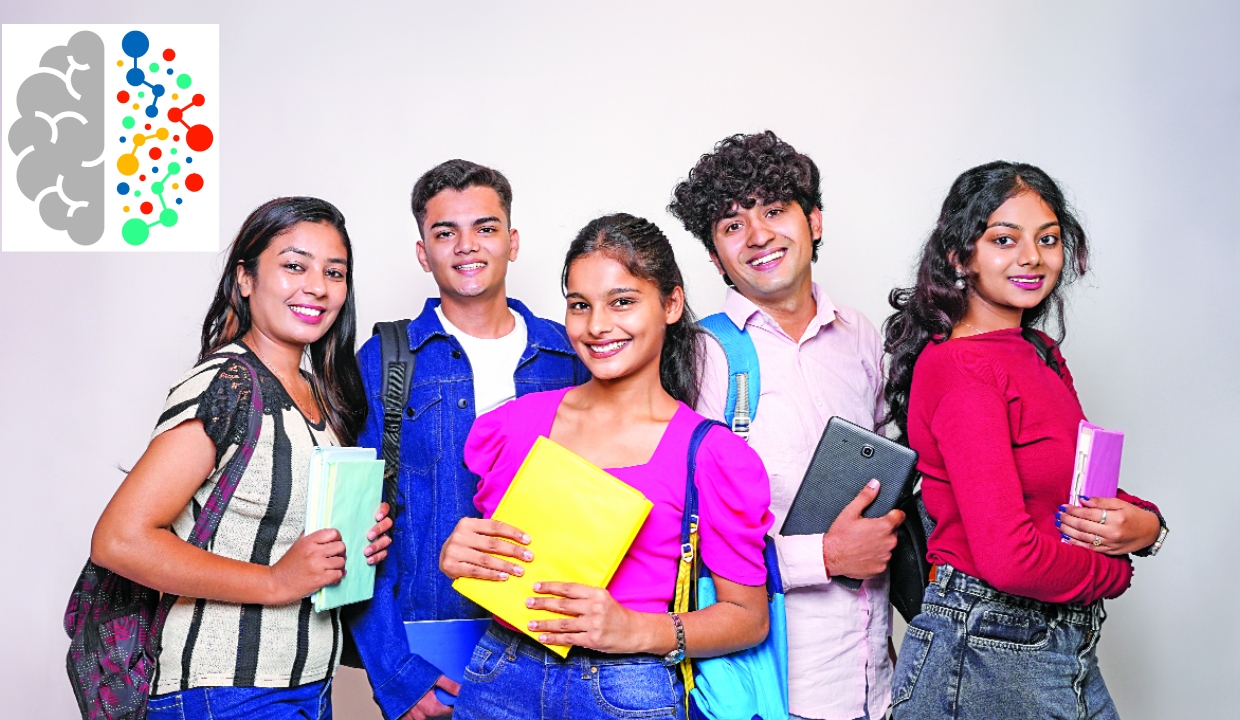
The landscape of the higher education system of India is being impacted by competition, disruption, expectations of stakeholders, i.e., parents, industry, institutions, Gen Z themselves. This Generation is digitally native, globally connected, socially conscious. Today’s learners seek more than degrees; they seek purpose, flexibility, inclusivity, plus opportunities that prepare them for an uncertain yet exciting future. Responding to these aspirations requires institutions to move beyond conventional models of education towards systems that are equitable, inclusive, future-ready.
The urgency of this transformation is reflected in India’s steadily expanding higher education landscape. As highlighted in the Economic Survey 2025-26, based on the latest AISHE 2022-23 data, India’s Gross Enrolment Ratio (GER) has risen to 29.5 per cent, with total enrolment reaching approximately 4.46 crore students. Expansion alone, however, is not enough. The true measure of success lies in ensuring that every learner, irrespective of socio-economic background, gender, geography, language or physical ability, has equitable access to high-quality, inclusive higher education.
The National Education Policy (NEP) 2020 recognises this challenge, reimagining higher education as an ecosystem that nurtures human potential rather than merely producing degree holders. As the policy rightly states, “The purpose of the education system is to develop good human beings capable of rational thought, action, possessing compassion, empathy, courage, resilience.”
In today’s rapidly changing world, this vision has become more relevant than ever. Education must not only impart knowledge but also cultivate empathy, ethical leadership, critical thinking, social responsibility. For Generation Z, education extends far beyond the physical classroom. Learning is increasingly digital, collaborative, personalised, global.
The emergence of India’s digital education ecosystem represents one of the most significant reforms in recent years. Platforms such as SWAYAM, DIKSHA, the Academic Bank of Credits (ABC), APAAR are enabling learners to access quality courses, accumulate academic credits across institutions, experiencing greater flexibility in their educational journeys. Technology has transformed access to lectures, digital libraries, virtual laboratories, online internships, collaborative research, thereby democratising learning opportunities for millions of students. Yet, technology by itself cannot guarantee inclusion. Digital architecture must be accompanied by digital equity. Reliable internet connectivity, affordable devices, digital literacy, accessible learning platforms remain unevenly distributed across the country. Assessment practices are also witnessing a significant transformation. Traditional memory-based examinations are gradually making way for competency-based evaluation, experiential learning, project-based assessments, continuous feedback mechanisms. Universities must therefore prepare students not merely for their first job but for lifelong employability in a rapidly evolving knowledge economy. Equity plus inclusion must therefore become institutional values rather than policy obligations. Ultimately, higher education is not just about producing graduates; it is about nurturing thoughtful citizens capable of leading societies with wisdom, compassion, integrity. For Generation Z, inclusion is no longer an aspiration; it is an expectation.
The writer is a Director, Institute of Information Technology & Management (IITM), Janakpuri; Views presented are personal.