Delhi’s traffic woes to ease with new project
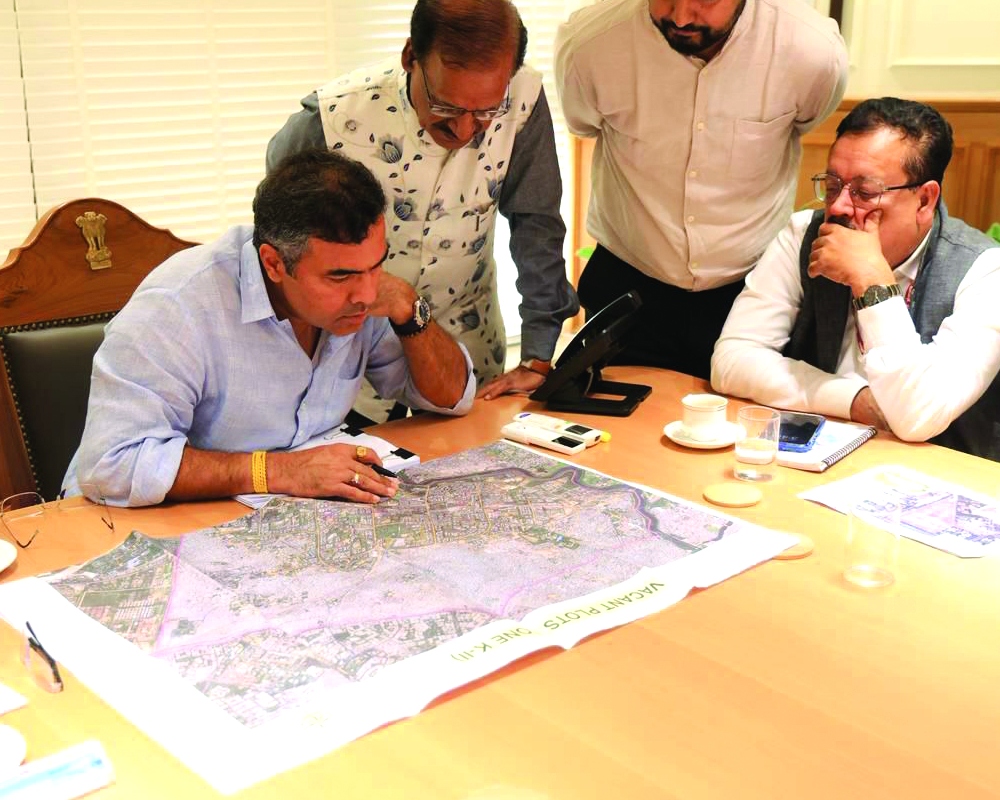
In a move to ease long-standing traffic congestion in north Delhi and expand road infrastructure, the Rekha Gupta Government is exploring the extension of the Munak Canal elevated road up to Kashmere Gate and a four-kilometre-long tunnel road connecting Inderlok and Maharana Pratap Inter State Bus Terminal, Kashmere Gate. The Delhi Public Works Department (PWD) has begun preparing a Detailed Project Report (DPR) in this regard. According to preliminary PWD estimates, the corridor could reduce travel time between the Delhi-Haryana border and Kashmere Gate by up to 40 per cent.
The elevated road, currently planned till Inderlok, will be extended through an underground tunnel up to Kashmere Gate. Once completed, it will provide a continuous, signal-free corridor from the Delhi-Haryana border to Central Delhi, connecting directly with ISBT, Outer Ring Road, and Wazirabad corridor.
The project will significantly reduce travel time for vehicles coming from Sonipat, Rohtak, and the Urban Extension Road (UER) while easing bottlenecks at Mukarba Chowk, Azadpur, and Roshanara Road.
PWD Minister Parvesh Sahib Singh Verma said the project represents a decisive step toward long-term, sustainable urban mobility. “Delhi needs futuristic and innovative solutions that cater to the growing infrastructural needs of Delhi and its citizens.
We are moving away from the past practice of short-term patchworks. Under the leadership of Chief Minister Rekha Gupta, we are focusing on long-term, high-impact projects that will serve Delhi for decades to come,” Verma said.
The proposed 4-km tunnel will directly link the elevated section from Inderlok to ISBT, allowing smooth traffic flow into the central parts of the Capital. The extension aims to provide a faster, safer alternative for commuters, particularly benefiting residents of North, North-West, and West Delhi, who face long travel hours due to congestion at major intersections.
According to preliminary PWD estimates, the corridor could reduce travel time between the Delhi-Haryana border and Kashmere Gate by up to 40 per cent. It will also help in redistributing traffic away from narrow internal roads and improve road safety for both private and commercial vehicles.
Highlighting the regional importance of the project, Verma added, “The corridor will be a major relief for commuters from North and North-West Delhi as well as those travelling from Haryana. Once operational, it will provide a direct, high-speed route to Central Delhi and help bring down travel time and pollution levels.”
PWD has initiated coordination with other departments to align this project with Delhi’s broader infrastructure and mobility plans. The DPR will determine the detailed alignment, engineering design, and integration with the existing elevated road network.
Emphasising efficiency and accountability, Verma said, “Our focus is on timely delivery and practical outcomes. Every new project under this Government is being designed to ensure visible improvement in the daily lives of citizens.”
Munak Canal was built between 2003 and 2012 as part of the Western Yamuna Canal system and conveys over 1,000 cusecs of water from the river daily to Delhi via two offshoots - the Carrier Line Channel (CLC) and the Delhi Sub-Branch (DSB). The canal system is 102 km long, of which 85km are in Haryana and 17km are in Delhi. The Munak Canal Elevated Road extension is one of the key infrastructure initiatives under the Rekha Gupta-led Delhi Government, reflecting its commitment to modern, durable, and commuter-friendly road infrastructure.
Once implemented, it will redefine connectivity between Delhi and Haryana and mark a major step towards a smoother, cleaner, and more efficient transport system for the Capital. The proposed elevated road will connect Urban Extension Road 2 (UER 2) to Delhi’s outer ring road network and will ease access to the northern and western parts of the city. The project was also discussed in a high-level meeting in June, chaired by Union Transport Minister Nitin Gadkari and attended by Chief Minister Rekha Gupta.