PM Carney's visit to India stands out because it ties diplomacy to deliverables, not just photo ops
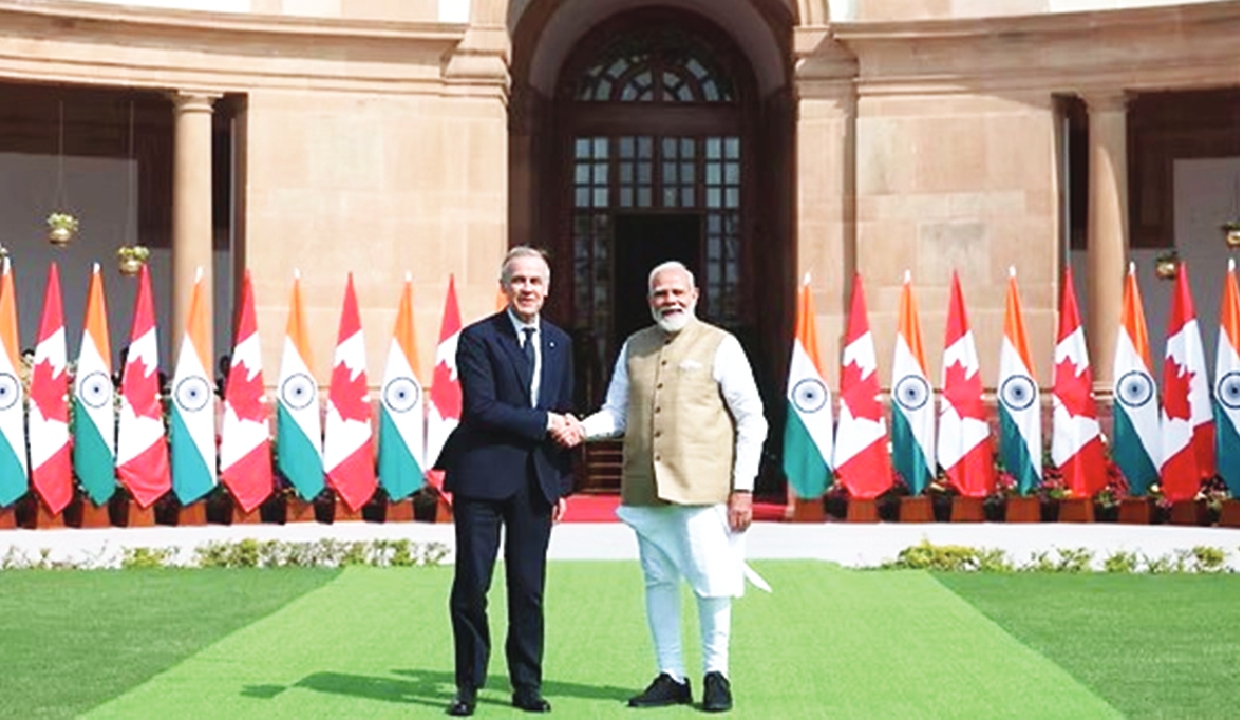
After the 2023 diplomatic rupture, Canada-India relations didn’t just cool off, they hardened. Allegations linked Indian agents to the killing of a Canadian Sikh activist, then came expulsions, reduced staffing, and stalled trade talks.
Trust dropped fast, and routine cooperation suffered. In March 2026, Prime Minister Mark Carney’s visit to India reframed the relationship. The trip put economic statecraft ahead of daily crisis control. In Mumbai, Carney said Canada wants to finish a Comprehensive Economic Partnership Agreement (CEPA) by year-end, and aims to double two-way trade by 2030.
The message was blunt: disagreements will remain, but engagement can’t stop. The shift is simple, move from managing fallout to building results that are hard to reverse.
From the 2023 rupture to the first signs of a workable thaw
The 2023 break showed how fast geopolitics can spill into business. It also showed how hard it is to restart once the basic working channels weaken.
What broke in 2023 and why trust collapsed so fast
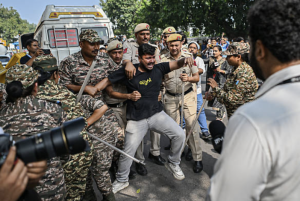
The public allegations triggered a tit-for-tat response, including diplomat expulsions and staffing cuts. As a result, negotiations slowed, and some cooperation became harder to run day to day. Visa processing, police coordination, and even standard business travel all faced more friction. Politics made it harder. Sikh activism in Canada sits inside a wider debate about speech, security, and community safety. New Delhi, meanwhile, has long raised concerns about extremist networks operating abroad.
Ottawa also faced pressure to protect citizens and uphold the rule of law. With both sides on alert, even small issues could turn into headlines.
How the 2025 G7 invitation to Modi opened the door to repair work
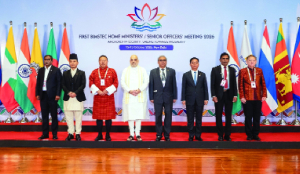
The 2025 G7 invitation to Prime Minister Narendra Modi in Kananaskis signaled a change in tone. It didn’t solve core disputes, but it created space for practical contact again. After that, both countries took steps that mattered: high commissioners returned, and minister-to-minister channels reopened. Carney’s India trip builds on that opening. Symbolism matters, but implementation matters more.
Why Carney is betting on “economic statecraft” to keep talks moving
Carney’s approach rests on a basic idea, trade and investment can steady a relationship when politics turns rough. He has also tried to lower the temperature by warning against assigning state responsibility for crimes on Canadian soil without clear proof. That doesn’t erase hard questions, but it can reduce escalation. Canada’s US trade risk is pushing diversification from “nice to have” too necessary. Canada still depends heavily on the United States. When tariff threats rise, or politics turns unpredictable, exporters feel it first. That risk makes diversification less of a slogan and more of a planning need. India stands out because of its scale, growth, and rising role in supply chains. For Canadian firms, a clearer path into India can support jobs, investment certainty, and longer-term contracts.
India wants trusted partners as it grows into a supply chain power
India also has reasons to keep talks moving. Global trade turbulence raises costs, delays inputs, and punishes countries that can’t count on stable access. Trusted partners help reduce that risk. A stalled deal becomes expensive over time, not just politically, but in missed projects and lost market share.
CEPA by year-end, doubling trade by 2030, what success could look like
CEPA is a broad trade pact that can set rules for market access, services, and dispute handling. Past talks stalled because politics tightened, trust weakened, and some sectors stayed hard to open.
What CEPA could cover first, and why past talks stalled
A workable CEPA often starts with areas that can move fast. That can include services, clearer rules for digital trade, and temporary entry for certain workers. It may also include phased tariff cuts and stronger dispute processes, while treating sensitive farm products with care. The key is sequencing, because overreaching can freeze talks again.
Energy and critical minerals can build “proof of progress”
Beyond fuels, critical minerals offer structural alignment. Canada’s Critical Minerals Strategy lines up with India’s National Critical Minerals Mission around lithium, nickel, cobalt, and rare earth elements. The payoff isn’t just shipping rock overseas. It’s joint processing, recycling, and technology cooperation that builds shared value chains.
That matters for India’s EV plans, semiconductors, defense supply chains, and clean energy. It also helps both countries reduce reliance on China-dominated processing networks. If minerals cooperation starts flowing, it can create visible wins while CEPA details get negotiated. In the end, Carney’s visit stands out because it ties diplomacy to deliverables, not just photo ops. A stable reset still needs three basics, clear lines on extremism, reliable law enforcement cooperation, and patient diplomacy that can survive headlines.
Near-term signals will show whether the shift holds: CEPA timeline milestones, pilot projects in minerals and energy, and restored staffing that improves visa capacity. The next test is whether both sides keep working when the news cycle turns.
The author is a veteran journalist and freelance writer based in Brampton Canada; Views presented are personal.