Delhi, Haryana Govts look to tackle untreated sewage in Najafgarh drain
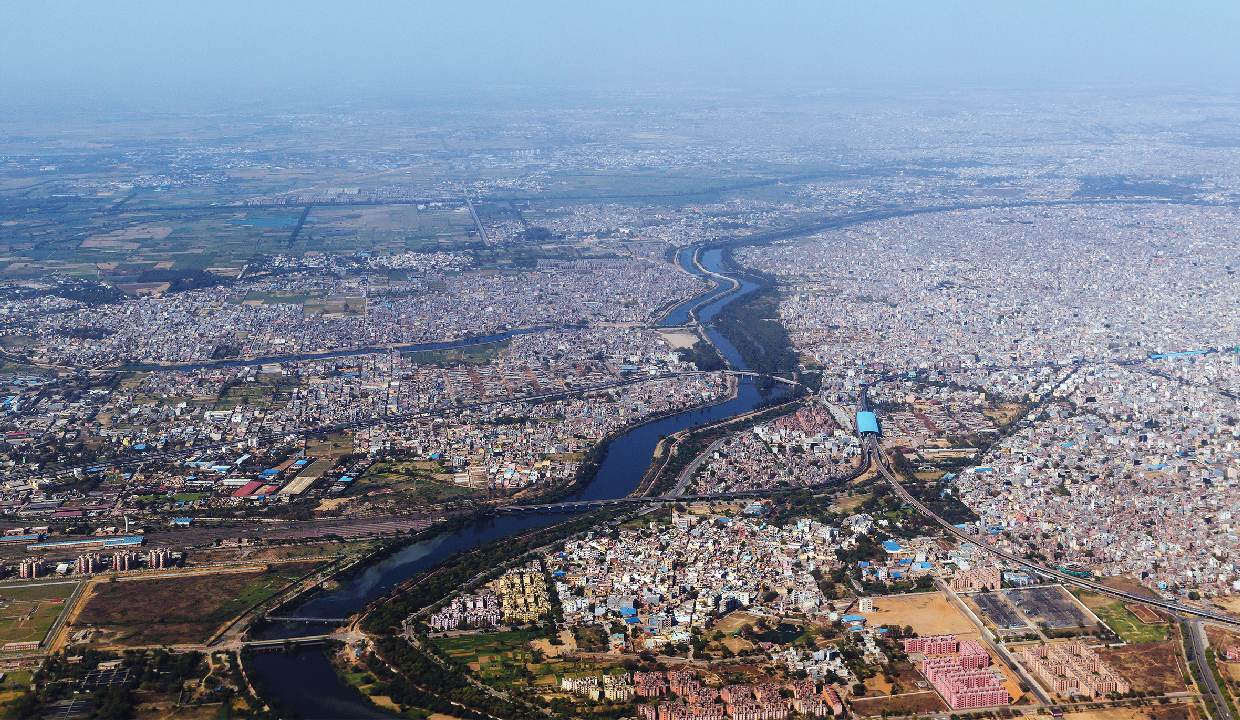
In a bid to curb Yamuna pollution, the Delhi and Haryana governments will make concerted efforts under a central committee to reduce the influx of waste matter into the river via the Najafgarh drain.
The approximately 57-km-long drain, once known as the Sahibi River, has emerged as the largest source of pollutants flowing into the Yamuna, carrying nearly 600 million Gallons per Day (MGD) of untreated sewage into the river.
According to officials, the committee will be headed by the Central Water Commission, along with representatives from the National Mission for Clean Ganga (NMCG).
“The committee will study the carrying capacity of the Najafgarh drain and take steps in exploring ways to divert toxic water entering the drain from Gurugram, Sohna and Palwal regions of Haryana,” a government document stated.
Over the years, the drain has become one of the biggest sources of Yamuna pollution, accounting for nearly 70 per cent of the total pollutant load entering the river, besides posing constant health risks to people living in its vicinity.
As per Delhi Jal Board (DJB) officials, the drain has become an almost stagnant reservoir of silt, sewage, and sludge with tons of solidified silt mounds under its murky surface.
In June last year, the Delhi Government had launched a comprehensive 45-point action plan to rejuvenate the Yamuna River within the next two years, with cleaning of the large drains designated as one of the priorities.