Court acquits Kejriwal in 2 ED cases

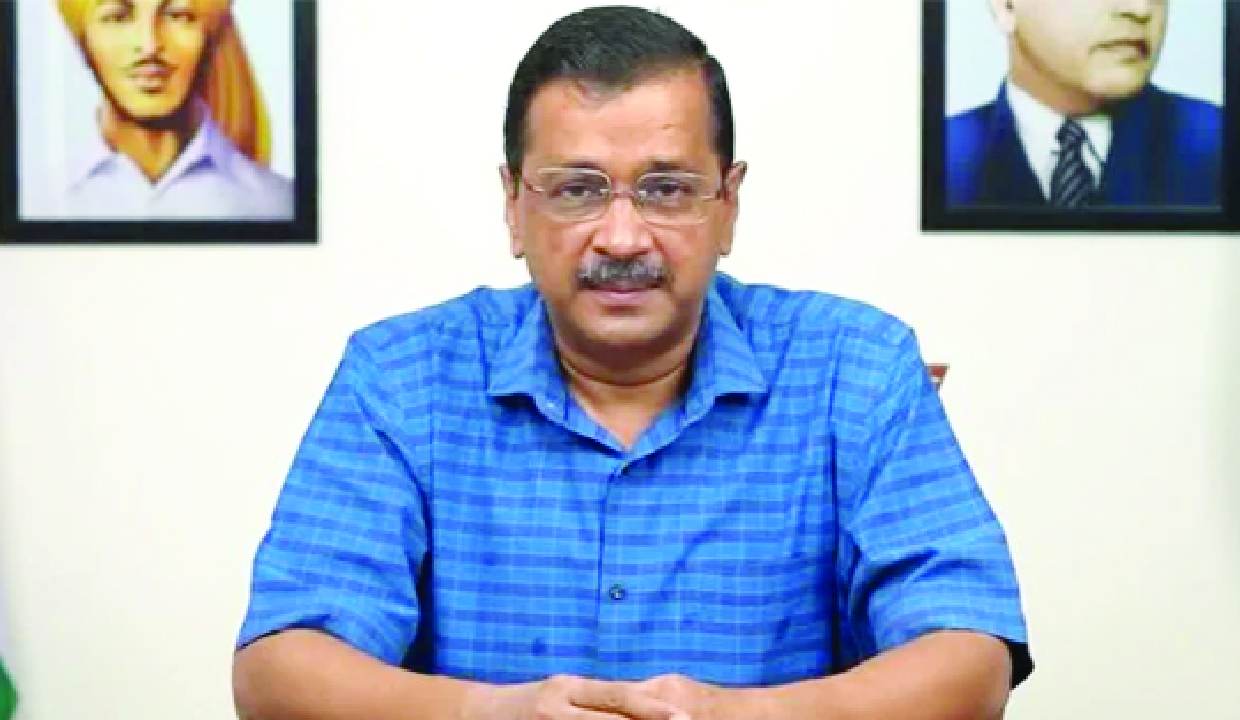
Former Delhi chief minister Arvind Kejriwal remarked “Satyamev Jayate” on Thursday after a Delhi court acquitted him in two Enforcement Directorate (ED) cases linked to alleged non-compliance with summons in the excise policy matter, while the BJP said the ruling was not an acquittal in the broader liquor policy case.
Reacting to Kejriwal’s post, Delhi BJP president Virendra Sachdeva said by writing “Satyamev Jayate”, Kejriwal attempted to project as if he had been acquitted in the liquor policy case. He said the court had merely dismissed the cases filed by Kejriwal against the two summonses issued to him before his arrest after finding them not maintainable.
The Aam Aadmi Party (AAP) supremo reposted a tweet that said the court order vindicated Kejriwal’s stand and showed that the cases related to the ED summons could not be sustained.
Sachdeva said the liquor policy case is still pending in court and Kejriwal continues to be the main accused in the matter. He added that the dismissal of summons-related cases on technical grounds cannot be equated with an acquittal in the excise policy case. The BJP leader said “Satyamev Jayate” is a term of reverence and its use in this context was inappropriate.
In a relief to Arvind Kejriwal, a Delhi court acquitted the former chief minister in two separate cases lodged against him for not appearing before the ED in pursuance of the summonses asking him to join the probe in the alleged excise policy scam. Observing that the accused was a serving chief minister and “he too enjoyed his fundamental right of movement”, a court here held that “the legal challenge to due service of summons is maintainable”.
The court said, “Neither the service of summons through emails has been proved by the ED… nor the process of issuing summons to any person under Section 50(2) of the Prevention of Money Laundering Act (PMLA) via email has been proved to be in accordance with the law.” “Even if, for the sake of argument, these summonses are admitted to be proved, the entire process is antithetical to the rule of law. No such mode of service is envisaged under the PMLA or the Code of Criminal Procedure (CrPC).