Connaught place open, but Delhi braces for BRICS weekend disruptions
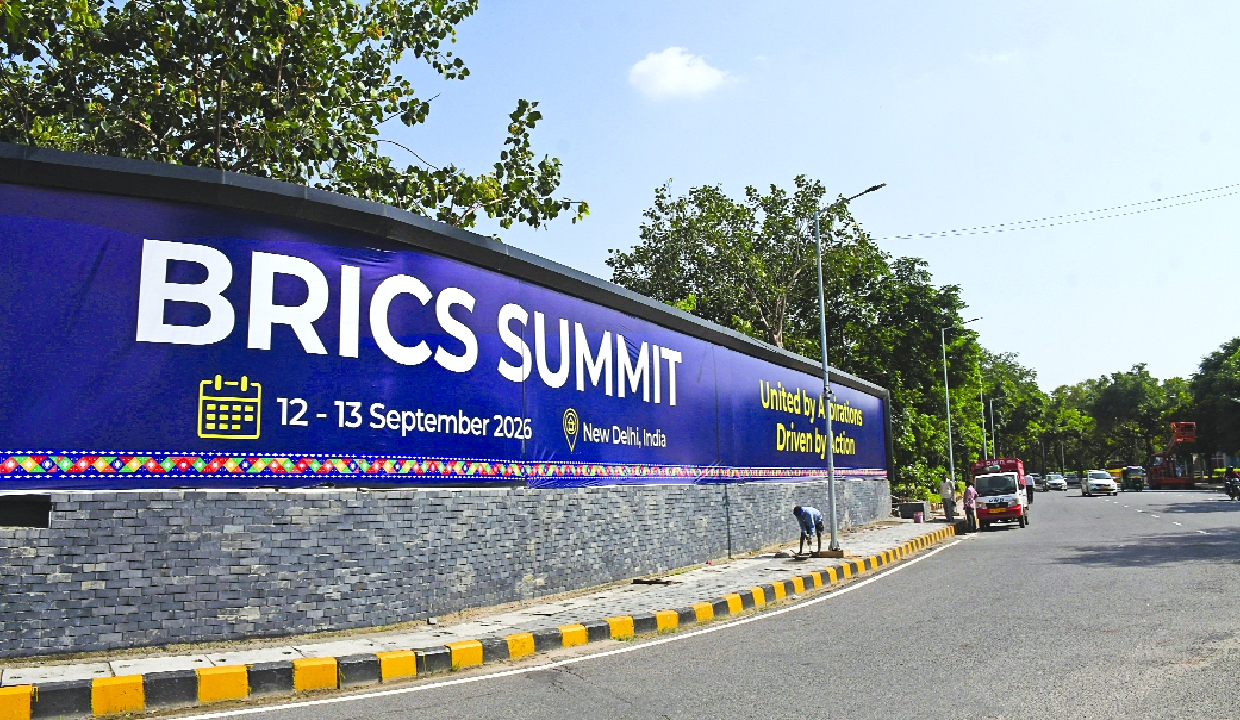
Confusion prevails amongst Delhiites and visitors alike regarding access to popular markets, restaurants and hotels with a massive security umbrella and traffic restrictions in place due to the 18th BRICS Summit. While the two-day conclave begins on September 12, world leaders will start arriving late Thursday and Friday.
Delhi Traffic Police has issued a detailed advisory urging travellers to avoid designated roads in and around central and New Delhi and the main venue, Bharat Mandapam. The Union and Delhi Governments have already announced the closure of all their offices and establishments on Friday. Schools will also remain closed. The India-Afghanistan T20 match at the Arun Jaitley Stadium on September 13 will also be rescheduled. The traffic police is constantly updating its advisory and has appealed to the citizens to monitor it before travelling.
Allaying the apprehensions sources said these disruptions need to be looked at with some perspective. The scale of what India is managing also needs to be taken into account.
India is hosting leaders from 11 BRICS member countries and 10 partner nations, apart from other invited delegations. Each leader does not make just one journey. A typical summit schedule can involve two or three separate movements in a day from the airport to the hotel, from the hotel to the summit venue, and then to bilateral meetings, official events or other engagements.
So what may look like a few VIP movements from the outside can quickly add up to around 70-80 or more high-security movements across the city in a single day. Each of those movements has to be secured separately, with traffic control, access restrictions and route coordination. That is why the impact on commuters becomes much larger than during an ordinary VIP visit.
This is also happening at a time of heightened global security risks, with wars and geopolitical tensions across several regions. These leaders are India’s guests, and as host country, India has to ensure that their movements take place with the level of security such a gathering demands.
These disruptions are not unique to India either, as temporary traffic restrictions, secure corridors and access controls are a routine feature when major global capitals host large international summits.
On Thursday, the traffic police clarified that Delhi will not be shut down during the summit, but commuters should brace for temporary traffic stoppages, diversions and restrictions on routes used by VVIP convoys, with the duration of such disruptions depending on security requirements and the movement of dignitaries.
In this backdrop, the New Delhi Traders Association (NDTA)on Thursday said the most popular Connaught Place market will remain open during the BRICS summit in Delhi from September 11 to 13, even as traffic restrictions are expected to affect movement in parts of the city.
NDTA Joint Secretary Amit Gupta said the market has not been closed and Delhi residents can continue to shop and dine at Connaught Place during regular market hours.
Several bustling markets associations are in a fix. On the one hand, the owners apprehend low footfalls due to restrictions, on the other hand, closing down their establishments will lead to financial losses.
The Delhi Metro Museum at Supreme Court Metro Station will remain closed from September 11 to 13, DMRC said in a post on social media. The museum will reopen on September 15, as September 14 is its weekly holiday, it said.
As regards the cricket match, the Delhi Traffic Police has asked the Delhi and District Cricket Association (DDCA)to reschedule the India-Afghanistan, citing the extensive traffic and security arrangements required for the 18th BRICS Summit.
The traffic police said areas around the Arun Jaitley Stadium, DDU Marg, BSZ Marg, Minto Road, Kamla Market and adjoining roads already witness substantial vehicular and pedestrian movement.
The move, according to the traffic police, would facilitate effective deployment of resources and ensure smooth and secure movement of foreign delegates, VVIPs and the general public.