Coal’s cool, cracking comeback
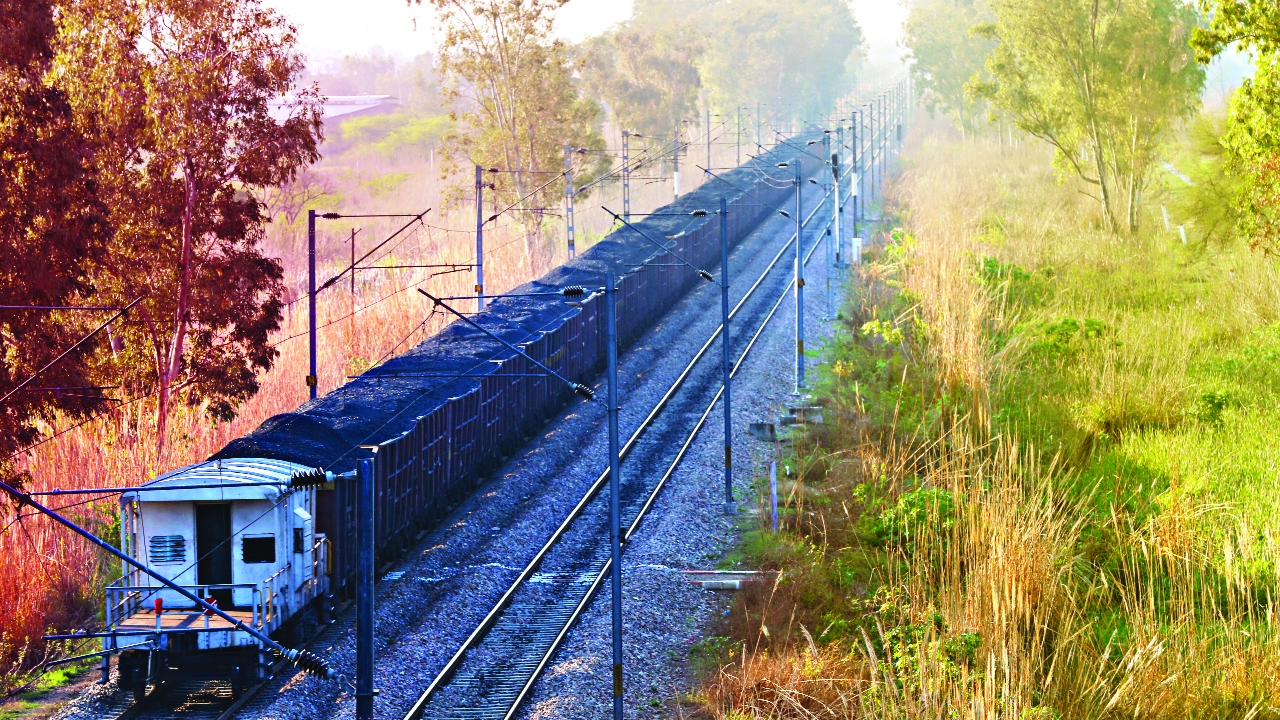
India was turning green. Black was out, and so was an era of crude energy sources, even if refined adequately, and used as liquefied gas. Yet, the shine on coal, the black gold, has intensified in the past few weeks. Thanks to huge global shortages in crude oil, and gas, including LNG (liquefied natural gas), India, along with other nations, is re-focusing energy security. It demands a back-to-black tactics, and giving green a breather, even as the future of fossil fuels seems iffy. Black is in, even if it remains dirty, messy, and polluting.
Desperate to manage the energy crisis due to the Iran war, Indian officials have asked coal-based power utilities to ensure uninterrupted supply as the summer season looms. Utilities across Asia hope to boost coal-fired generation due to the shortage of fossil fuels, especially gas and LNG. For example, Bangladesh and the Philippines focus on higher coal burn. Coal production is a top priority, as India nudges the state-owned near-monopoly, Coal India, to aim for higher output. Thailand desires the same from its largest coal plant, South Korea plans to remove ceilings on coal, and Japan wants high capacities in coal plants.
One of the major reasons in India’s case is the possibility of power outages due to the lack of gas and LNG, especially the latter. Iranian attacks knocked out 17 per cent of Qatar’s LNG export capacity, and the damages, according to local experts, may take years to repair. For the import-dependent buyers in Asia, the fate of gas-fired power seems in a limbo, almost in a coma over the next few months. Over the years, India has emerged as an important buyer of Qatar’s LNG, with long-term lucrative contracts. They are up in smoke.
Apart from the shortages of LNG, the economics have shifted towards coal-based power. According to reports, within one month of the war, Asian LNG prices rose by 143 per cent, with an 85 per cent hike in European gas prices. The rise in Brent crude was 55 per cent, although it threatened to more than double, and even zoom up by more than three times. In comparison, coal prices are up, but by a manageable 13 per cent during March 2026. Hence, it makes sense to use coal rather than gas, which is anyway in short supply, or not available.
In addition, India has more than adequate domestic coal supplies. The coal ministry insists that the country has more than 200 million tonnes in stock, which is enough for 88 days of consumption. Coal-fired plants hold more than 50 million, which is enough for 24 days at the current burn rates. Coal India sits on a record 121.4 million tonnes of pithead stock. The country’s annual production crossed a billion-tonne mark for the second consecutive year, which enabled high inventories at both the producers and consumers (power plants) end.
Power demand will be a crucial element of the overall strategy to combat the negatives related to the war. The International Energy Agency states that India’s needs will grow at an average of 6.4 per cent a year through 2030. It adds that while solar energy will account for half of the additional growth, and coal another 25 per cent, coal burn is still expected to rise by 2.5 per cent a year on an average over the next five years. Coal’s share will fall, from 70 per cent in 2025 to 60 per cent in 2030. In other words, the transition is slow and steady.
However, the war has changed these calculations, and equations. Coal demand may surge this year, and may go up in the next one, as Qatar’s LNG gets on track over the next 4-5 years. In the interim, India will need to buy expensive LNG, increase coal dependence, or do both. This is where the story turns into more than a weather-and-war one. India’s solar energy can meet the 270-GW daytime peak, but officials and experts are not sure of the evening peaks, or demand overload due to heatwaves, industrial uses, and the growing pull of digital infrastructure.
Hence, the coal comeback is not about strategy, ideology, or a reversal of climate policy. It is about what happens when a fast-growing power-guzzling nation needs to choose between transition, ambition, and reliability during crises, and stressful times. Coal’s appeal lies in three things that matter the most. These include dispatchability, availability, and price visibility. This ensures that the black gold is not just a fallback fuel, but a crucial hedge against global disruptions. Some experts contend that India can ensure coal’s higher life expectancy, despite the overriding clamour for Climate Change, if it installs more washeries, which brings down the pollution levels.
Two scenarios will determine the future fate of coal. In the first one, oil and gas prices fall back within a year, Qatar’s LNG capacity is gradually restored, and the panic proves temporary. Coal dependence will seem tactical rather than structural. Gas will regain credibility as a balancing fuel, renewables will expand, and coal’s current prominence can be seen as a response to a crisis that was amplified by an extreme summer. The IEA’s base case points in this direction, as it predicts that while coal use will remain large, its share will fall.
In the second scenario, gas remains expensive or unreliable for several years, since LNG is inherently harder to reroute, store, and recover after disruption, compared to crude oil. Buyers who pivot from gas may not reverse course quickly. Then, coal’s comeback may turn into a longer run. Not because the nations abandon the energy transition goals, but because they postpone parts of the transition that are expensive. In such a brave new world, “green” does not disappear but moves slowly. Coal will not be something to be sneered about, as it was.
What is crucial is that the green pace had faltered a bit over the past year, even before the war. Reports indicate that global registrations of electric vehicles fell by three per cent in January 2026 to just under 1.2 million units, dragged down by a 20 per cent drop in China, and a 33 per cent fall in North America due to lower subsidies, and weaker policy support. In February 2026, the registrations fell by 11 per cent year-on-year. The numbers do not reverse the long-term trend, but weaken the idea that fossil-fuel demand is on an uncomplicated slide.