CBI brings back passport forgery racket key accused from UAE
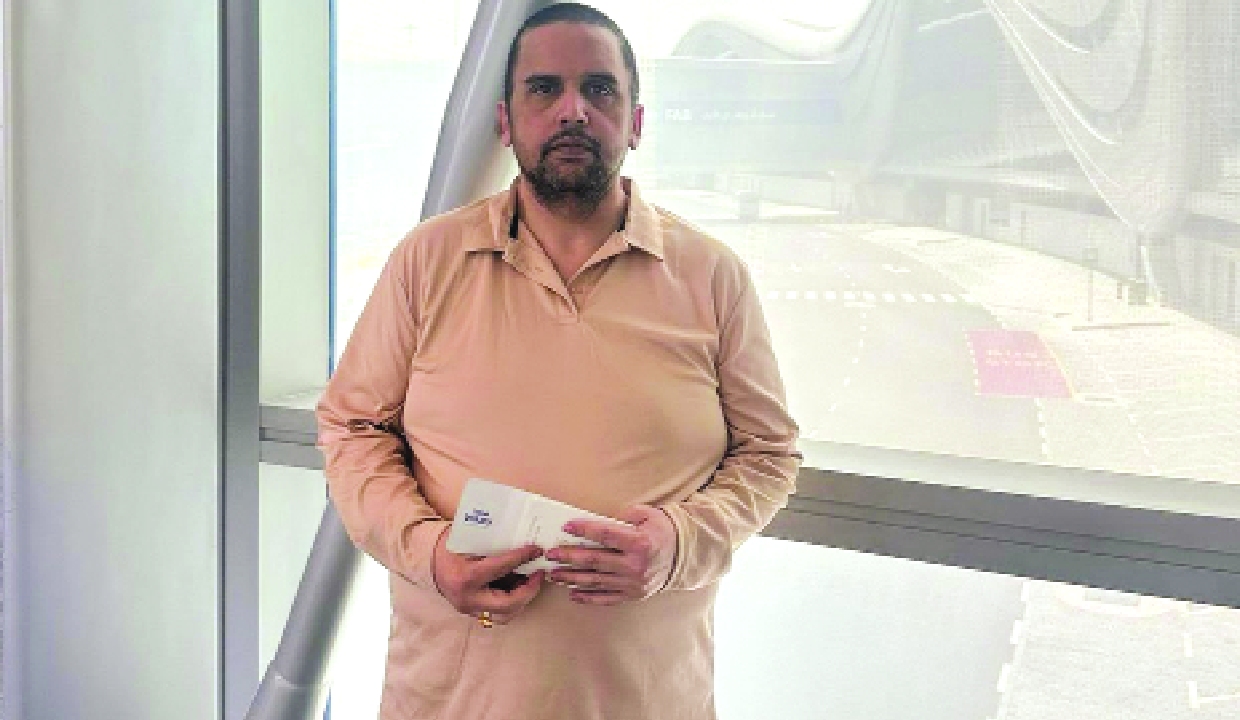
In a swift and well-coordinated international operation, the Central Bureau of Investigation (CBI) has successfully brought back a lynchpin in a major passport forgery racket from the United Arab Emirates (UAE). The fugitive, identified as Aalok Kumar aka Yashpal Singh, was brought to India on May 1, 2026.
A Haryana Police team, which lay in wait, took him into their custody immediately. Kumar was wanted in multiple cases registered by Haryana Police for serious offences, including cheating, forgery, criminal conspiracy and the use of forged documents to obtain passports fraudulently.
The successful extradition, executed in close coordination with the Ministry of External Affairs (MEA) and the Ministry of Home Affairs (MHA), marks another success in India’s hot pursuit of fugitives hiding abroad.
According to CBI officials, he was the mastermind in a sophisticated racket that helped individuals with criminal backgrounds secure Indian passports using fabricated identities, false addresses and counterfeit documents. The network allegedly facilitated the illegal immigration and evasion of justice for several wanted criminals, thus enabling them to travel abroad and potentially continue with their nefarious activities.
The aggressive pursuit began when Haryana Police approached the CBI to issue a Red Notice through Interpol channels. The notice was promptly published, allowing UAE authorities to geo-locate and arrest Kumar. Following a formal extradition request and due legal processes, the UAE handed him over to Indian officials. “This operation highlights the seamless cooperation between Indian agencies and our international partners,” a CBI spokesperson noted.
This extradition is not an isolated event. On the same day, the CBI also secured the return of Kamlesh Parekh, a key accused in a staggering Rs 2,672-crore bank fraud case linked to the Kolkata-based Shree Ganesh Jewellery House (I) Ltd. Parekh, a promoter of the firm, allegedly cheated a consortium of 25 banks led by the State Bank of India. Both operations underscore the UAE’s growing role as a reliable partner in India’s fight against economic offenders and organised crime.
India-UAE extradition ties have strengthened significantly in recent years, aided by a robust bilateral treaty and enhanced intelligence-sharing. Officials report that over 150 fugitives have been repatriated in recent times, dealing a blow to criminal networks that once viewed the Gulf as a haven. Passport forgery rackets, particularly in Haryana, have long been a concern for law enforcement as they enable gangsters and their aides to flee justice and operate transnationally.
Cases such as those involving gangsters who escaped using fake passports from Delhi’s Regional Passport Office have exposed vulnerabilities in the system. Accused Aalok Kumar is expected to provide crucial leads in dismantling the broader forgery network.
Haryana Police will now interrogate him to uncover associates, beneficiaries, and the full extent of the racket. Legal proceedings against Kumar are underway, with authorities emphasising that no one involved in undermining national documents will escape accountability.