Carney’s India visit aims to reset strategic ties
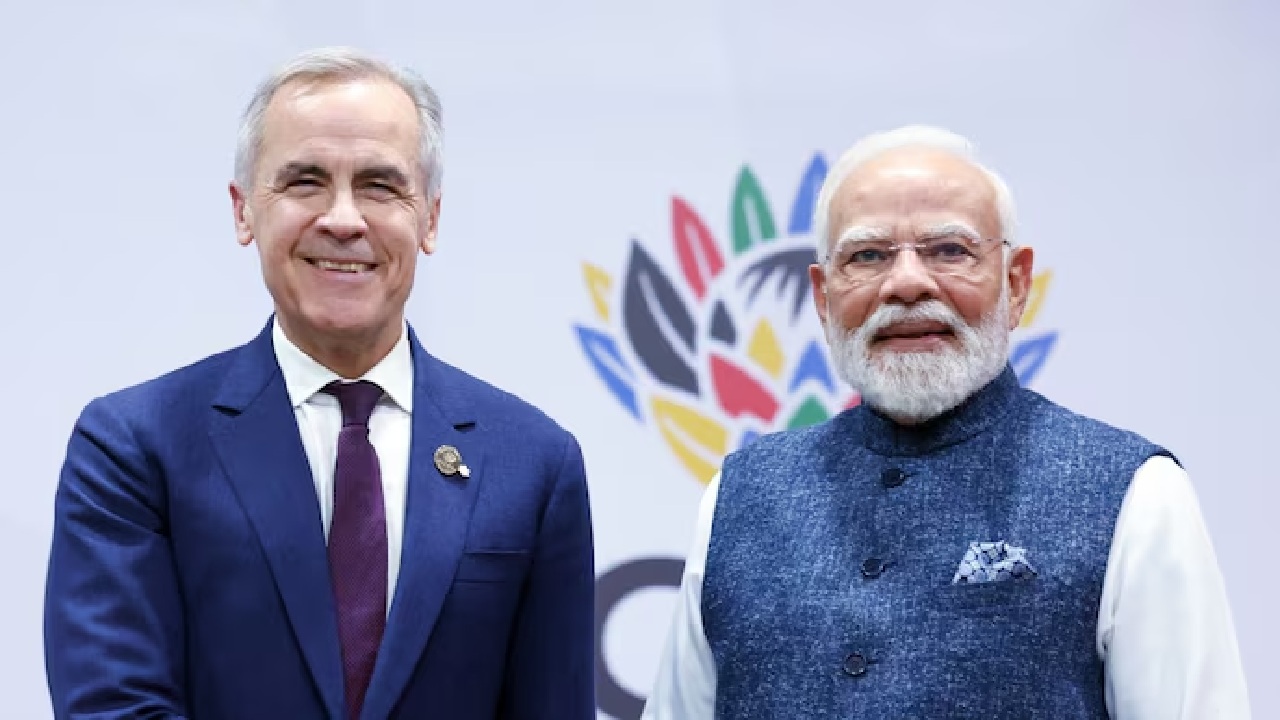
In a significant diplomatic development, Canada appears to be recalibrating its position on extremism and regional violence as Prime Minister Mark Carney embarks on a four-day visit to India beginning Friday. The trip — his first to India as Prime Minister — is being viewed as a crucial step toward restoring stability and trust in India-Canada relations after nearly three years of turbulence.
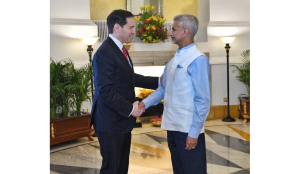
India on Thursday said the upcoming talks between Prime Minister Narendra Modi and Carney will offer an opportunity to advance a “forward-looking partnership” anchored in mutual respect, economic cooperation, and shared democratic values.
Carney’s visit comes at a pivotal moment in the normalisation of bilateral ties that were severely strained following the 2023 diplomatic row over the killing of Khalistani separatist Hardeep Singh Nijjar. At the time, allegations by then Canadian Prime Minister Justin Trudeau of a potential Indian link to the incident were firmly rejected by New Delhi as “absurd.” The fallout led to reciprocal expulsions of diplomats and a freeze in high-level engagement.
However, diplomatic channels have gradually reopened over the past year. Following Carney’s electoral victory in April, both nations have taken calibrated steps to de-escalate tensions, including the reappointment of high commissioners in each other’s capitals. Observers say Ottawa’s evolving tone on addressing extremist elements operating from its soil has played a role in rebuilding confidence.
The Ministry of External Affairs (MEA) described the visit as taking place at an “important juncture” in bilateral relations. It said the two leaders will review progress across key pillars of the India-Canada strategic partnership and exchange views on regional and global developments.
Trade, energy, and technology are expected to dominate the agenda. Officials indicate that cooperation in critical minerals, clean energy transitions, artificial intelligence, agriculture, higher education, and research innovation will also feature prominently in discussions.
Carney’s first stop will be Mumbai, where he is scheduled to engage with leading Indian and Canadian corporate executives, financial leaders, and innovators. The visit underscores Ottawa’s interest in strengthening commercial ties with one of the world’s fastest-growing major economies.
The Canadian Prime Minister will arrive in New Delhi on Sunday, with wide-ranging bilateral talks set for Monday. Both leaders will also participate in the India-Canada CEOs Forum, signalling a push to translate political goodwill into tangible economic outcomes.
The MEA noted that Modi and Carney had previously interacted on the sidelines of global summits in Kananaskis and Johannesburg last year, laying the groundwork for renewed engagement. Their forthcoming meeting is expected to reaffirm a shared commitment to a “constructive and balanced partnership.”
Security cooperation and counter-extremism are likely to form a sensitive yet crucial part of the dialogue. India has consistently emphasised that freedom of expression cannot extend to supporting separatism or violence against another sovereign nation. Canada’s recent signals indicating a firmer stance against extremist activities are being interpreted in New Delhi as a positive step toward rebuilding trust.
Strategic analysts say the reset in ties reflects broader geopolitical realities. With global supply chains shifting and democratic nations seeking resilient partnerships, both India and Canada stand to benefit from closer coordination in trade diversification, clean energy, and critical mineral supply chains.
Prime Minister Modi’s visit to Canada last year for the G7 Summit in Kananaskis marked the first high-level breakthrough after months of diplomatic chill. The upcoming visit by Carney is expected to consolidate that momentum.
As both nations seek to move beyond past friction, the renewed dialogue carries symbolic and strategic weight. If successful, it could signal not only a thaw in bilateral ties but also a shared resolve to curb extremism, deepen economic integration, and strengthen democratic cooperation in an increasingly uncertain global order.