CAQM revokes GRAP-IV across Delhi-NCR
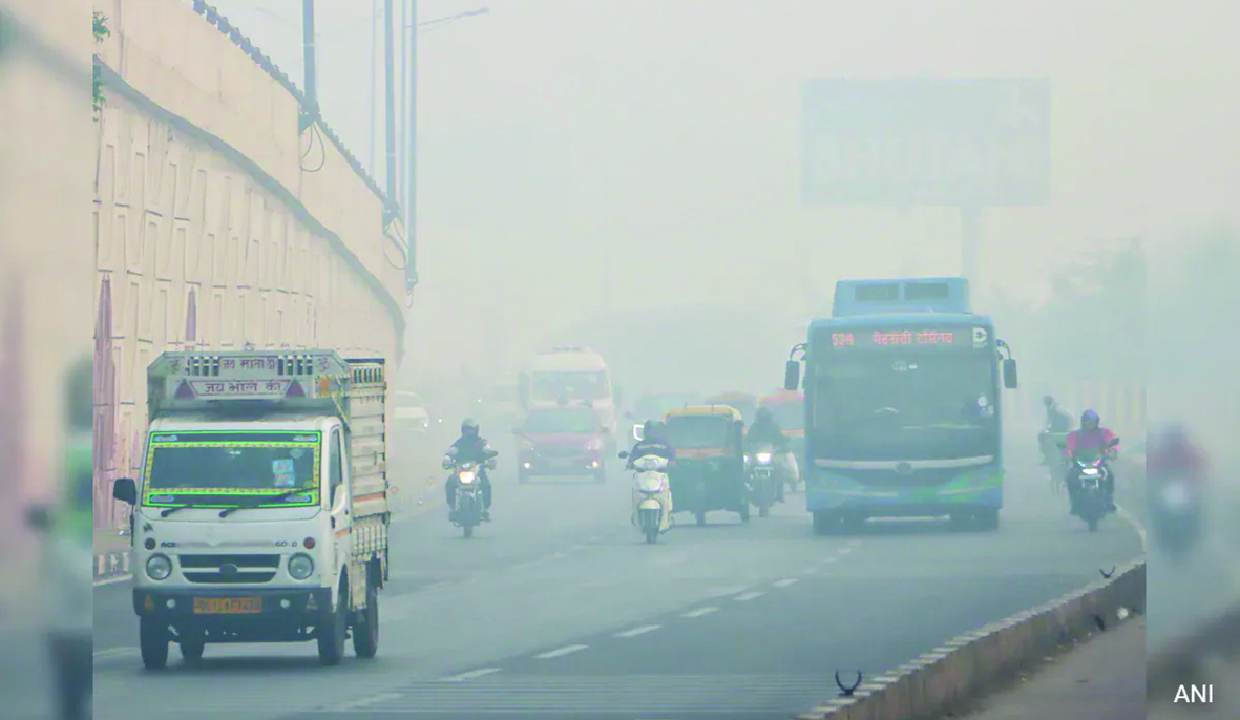
The Commission for Air Quality Management (CAQM) on Monday revoked Stage-IV restrictions of the Graded Response Action Plan (GRAP) across the entire Delhi-NCR. The decision was taken by the CAQM Sub-Committee on GRAP after Delhi's daily average Air Quality Index (AQI) fell to 378 on January 20. The AQI fell from 410 a day earlier and 440 on January 18, according to data from the Central Pollution Control Board (CPCB). Stage-IV had been imposed on January 17 following a sharp deterioration in air quality.
Officials said the easing of restrictions was driven by favourable meteorological conditions, including improved wind speed, which helped disperse pollutants. Forecasts by the India Meteorological Department (IMD) and the Indian Institute of Tropical Meteorology (IITM) indicate that Delhi's AQI is likely to remain in the 'Very Poor' category in the coming days, but not worsen to the 'Severe' or 'Severe Plus' levels that trigger the harshest curbs.
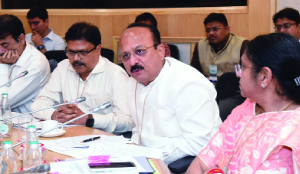
"Keeping in view the disruptive nature of restrictions under Stage IV, which impact a large number of stakeholders and the general public, and considering the improving AQI trend, the Sub-Committee has unanimously decided to revoke Stage IV with immediate effect," CAQM said in its order.
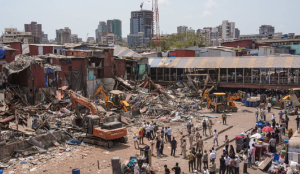
Stage-IV of GRAP includes some of the strictest measures, such as bans on construction activities, entry of certain polluting vehicles, closure of schools, and restrictions on industrial operations. These steps are enforced when air quality reaches 'Severe Plus' levels, significantly affecting daily life and economic activity.
However, CAQM made it clear that the rollback does not signal a return to normalcy. All actions prescribed under GRAP Stages III, II, and I will remain in force across Delhi-NCR. Agencies have been directed to intensify enforcement and monitoring under these stages to ensure pollution levels do not rise again.
Under Stage III, restrictions include curbs on construction and demolition activities, enhanced mechanised road sweeping, and strict checks on polluting vehicles and industries. Stage-II and Stage-I measures focus on dust control, waste management, regulation of diesel generator sets, and public advisories to reduce emissions.
The Commission also issued a strong warning to construction and demolition sites that were earlier shut down for violating pollution control norms. Such sites will not be allowed to resume operations unless they receive a specific clearance order from CAQM. "There will be no automatic reopening of sites closed for non-compliance," officials said.
CAQM urged all implementing agencies across Delhi, Haryana, Uttar Pradesh and Rajasthan to maintain strict vigilance, especially during winter when weather conditions can change rapidly. Even a short spell of low wind speed or temperature inversion can push pollution levels back into the 'Severe' range, officials cautioned.
Citizens have also been advised to strictly follow the GRAP citizen charter under Stages III, II and I. This includes avoiding the use of private vehicles where possible, refraining from open burning of waste or biomass, and cooperating with authorities enforcing pollution control measures.
The Sub-Committee said it will continue to closely monitor air quality and meteorological forecasts daily. Further decisions, including the possible reimposition of Stage IV restrictions, will be taken if pollution levels rise again.