CAQM ratifies revised GRAP, flags key pollution drivers
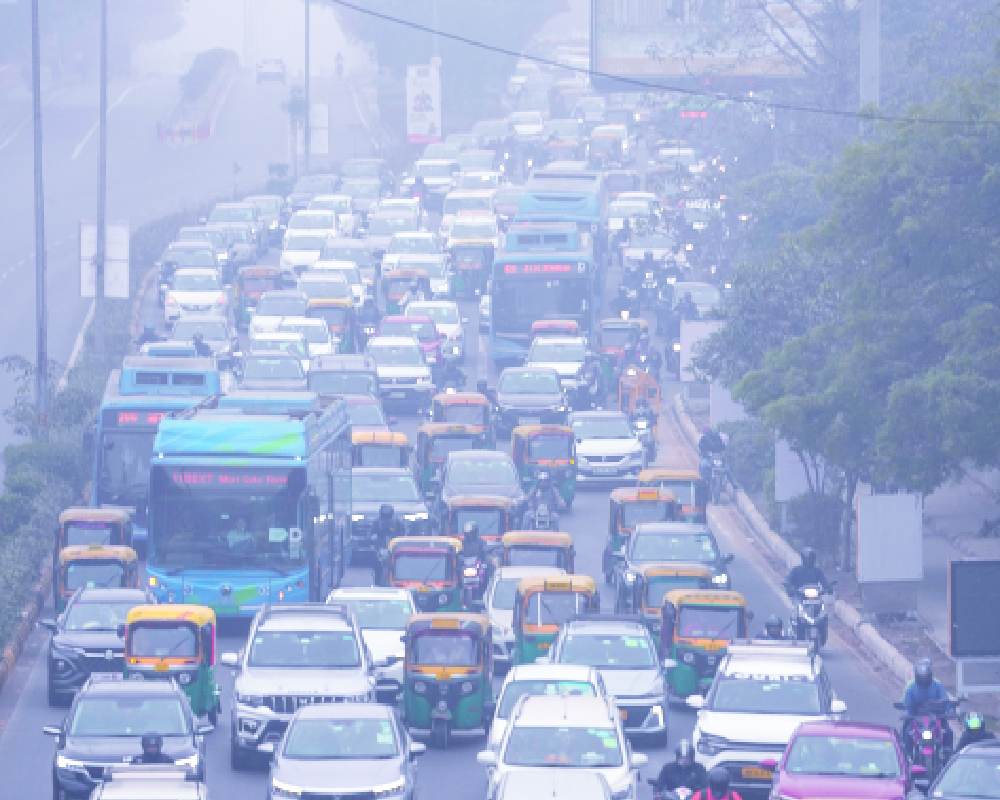
The Commission for Air Quality Management (CAQM) on Monday ratified a revised Graded Response Action Plan (GRAP). This was done in line with the Supreme Court directions. The commission reviewed winter enforcement in Delhi-NCR and flagged major gains in curbing farm fires. However, it also warned that construction dust and vehicle emissions remain key pollution drivers.
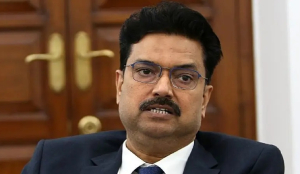
The decisions were taken at the 26th meeting of the full Commission, chaired by CAQM Chairperson Rajesh Verma. The panel also adopted its annual report and audited accounts for 2024–25. These steps set the framework for tighter, stage-wise action through the rest of the winter.
The revised GRAP, approved on November 21 and now formally ratified, ensures that measures under higher stages automatically subsume actions under earlier stages.
The Commission reviewed on-ground implementation this season, including steps taken under different GRAP stages and additional measures under Stages I and II.
These include uninterrupted power supply to curb diesel generator use, traffic decongestion, public advisories, and augmentation of public transport services during high-pollution days.
CAQM also reviewed compliance with recent court orders on end-of-life vehicles. Following the Supreme Court’s December 17 order, protection from coercive action continues for BS-IV and newer vehicles, while enforcement against highly polluting BS-III and older vehicles has resumed. Agencies were directed to ensure strict compliance.
A major highlight was the review of paddy stubble burning in 2025. The Commission noted an overall reduction of about 92per cent in NCR compared to 2021, attributing the decline to integrated monitoring, enforcement, and interstate coordination.
Punjab, Haryana, and Uttar Pradesh were directed to prepare state action plans for monitoring and enforcement during the 2026 wheat residue burning season, based on which statutory directions will be issued.
The Commission also ratified an office order constituting an expert committee to address vehicular emissions, under the chairmanship of Prof. Ashok Jhunjhunwala of IIT Madras.
The committee will assess emissions and health impacts, suggest clean mobility strategies, review EV readiness, and recommend regulatory measures.
On fleet transition, CAQM discussed amendments to Direction number 94 to accelerate the adoption of zero-emission vehicles by aggregators, delivery service providers, and e-commerce firms. After considering stakeholder inputs, the Commission proposed transitional provisions allowing induction of BS-VI petrol two-wheelers into existing fleets till December 31, 2026, while maintaining restrictions on the induction of conventional internal combustion engine vehicles in other specified categories from January 1, 2026.
Construction and demolition (C&D) waste management also drew sharp focus. The Commission said dust from C&D activities remains a major contributor to PM10 and PM2.5 levels in Delhi-NCR. Municipal bodies and development authorities were asked to strengthen supervision, ensure dust abatement, set up collection and processing facilities, verify waste disposal before granting construction permissions, and improve environmental management of demolition waste.
The Enforcement Task Force briefed the Commission on closures and resumptions of industrial units and the status of prosecutions. CAQM stressed sustained vigilance and coordinated enforcement across sectors during the winter, when dispersion conditions worsen.
Officials said the Commission will closely monitor compliance and hold follow-up reviews. Implementing agencies are committed to regular assessment of air quality measures and strict action under GRAP.
With winter pollution risks persisting, CAQM said the emphasis will remain on prevention, rapid response, and accountability, especially on vehicles, construction dust, and waste burning, while scaling up clean mobility and public transport to cut emissions at the source.