BRICS reaches consensus on New Delhi declaration after West Asia differences
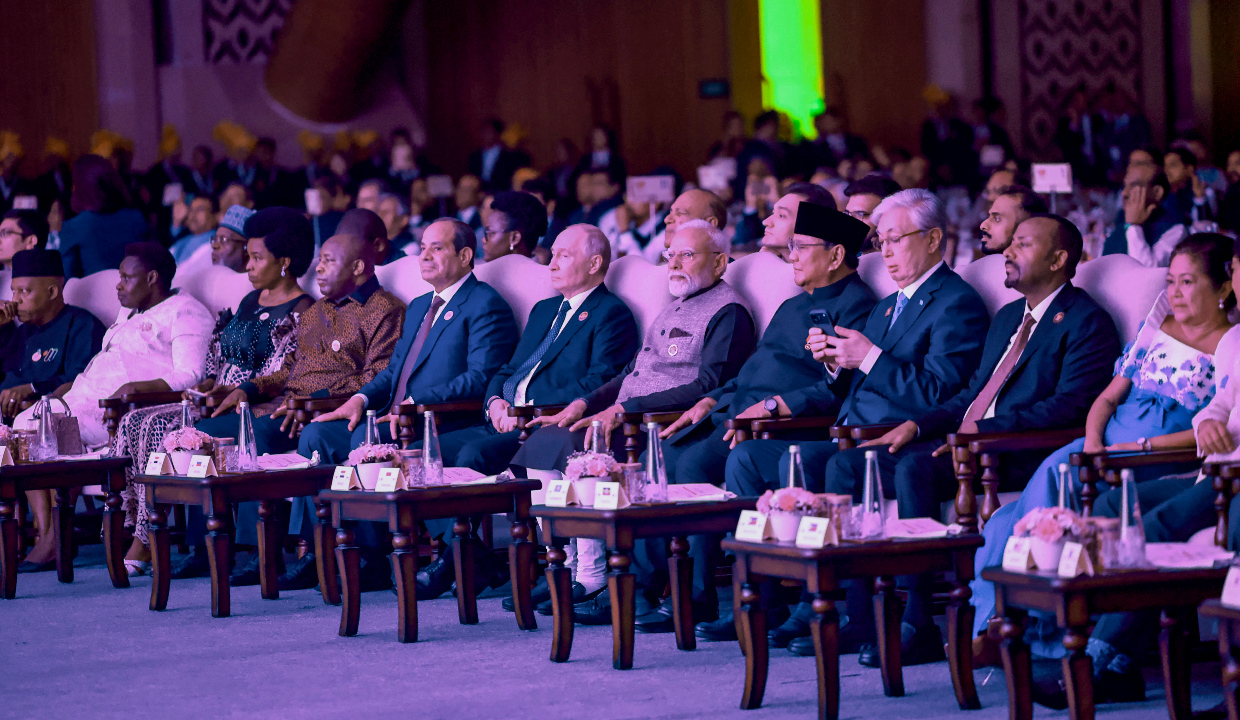
In a dramatic diplomatic breakthrough reminiscent of India’s successful consensus-building during the 2023 G20 Summit, BRICS member states on Saturday reached agreement on a joint New Delhi Leaders’ Declaration after days of intense negotiations over the West Asia conflict.
The breakthrough came after negotiations continued into the early hours of Saturday, with India playing a key role in bridging sharp differences between Iran, the UAE and Saudi Arabia. The divisions had earlier threatened to derail the declaration, particularly over the wording on the Iran war and the wider West Asia crisis.
The agreement marked a significant turnaround from the BRICS foreign ministers’ meeting in New Delhi in May, when member states failed to issue a joint statement because of disagreements over the conflict. At the time, Iran and the UAE had taken sharply divergent positions, forcing India to issue a chair’s statement instead.
India’s diplomatic balancing act
As the 2026 BRICS chair, India worked to find language acceptable to members with competing geopolitical interests. The compromise reportedly centred on broader principles, including opposition to unprovoked aggression, respect for sovereignty and international law, rather than explicitly blaming individual countries.
The final declaration also expressed concern over attacks on civilian infrastructure and peaceful nuclear facilities under International Atomic Energy Agency safeguards, while calling for restraint and diplomatic efforts to resolve conflicts.
The consensus carries echoes of the 2023 New Delhi G20 Declaration, when India similarly navigated deep divisions over the Ukraine war and secured unanimous approval of a leaders’ declaration. That outcome was widely viewed as a major diplomatic achievement because G20 decisions require consensus among members with sharply differing positions.
The BRICS breakthrough therefore represents more than the adoption of another joint document. For India, it reinforces its role as a bridge-builder among competing powers and demonstrates its ability to keep a diverse grouping together despite major geopolitical fault lines.
The agreement also comes as BRICS seeks to expand its influence in global governance. At the summit, Prime Minister Narendra Modi called for greater representation of the Global South and reforms to international institutions, positioning BRICS as a platform for a more inclusive global order.