Blasé Capital RBI Rebounds
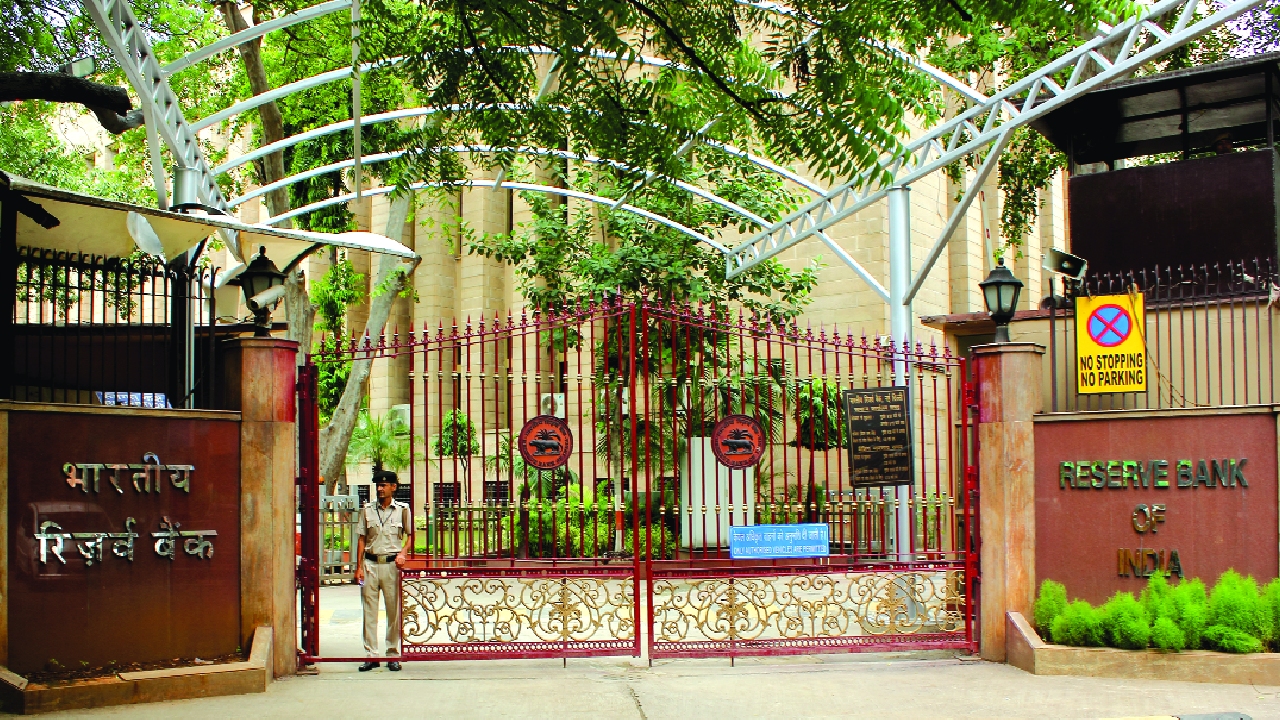
After a series of destructive, aggressive, and unexpected moves to curb speculation and manipulation in the rupee, the Reserve Bank of India (RBI) may take several constructive steps today. As it announces another round of monetary policy, experts contend that the central bank will aim to boost the foreign exchange reserves, which are hit by huge outflows from equities, and other assets, high trade deficits, and strong dollar. One of the major moves may include incentives to push non-residents to remit more money to India. In the recent past, according to media reports, non-resident deposits declined by a fourth to just over $14 billion in the first 10 months of the last financial year (2025-26). The worst hit was one of the schemes, FCNR(B), where the fall was huge, from $7 billion to less than a billion dollars in the same period. It is this scheme which may be in focus today.
Economists contend that the RBI has little options but to “engineer more sustainable inflows to mitigate depreciation pressure, and accommodate a higher fuel import bill” due to the war crisis in the Middle East. Like it did with the massive curbs on short selling positions in the rupee after nearly 15 years, the non-resident deposit schemes may see a few changes like what happened in 2013. According to a media report, “In 2013, post the taper-tantrum episode, the RBI for the first time launched a special swap window to attract… deposits to stem excessive volatility in the rupee, and prevent further fall in forex reserves. Banks were allowed to swap US dollar deposits, with a maturity of three years or more, at a concessional rate of 3.5 per cent, which was much cheaper than the market rate. This resulted in nearly $30 billion in inflows, which helped stabilise the currency.”
Such swap windows may be reintroduced this time. Although the rupee has strengthened due to the excessive curbs on its speculation over the past few days, which include extreme limits on short positions, the central bank seems unsure about the currency’s journey. Even now, analysts predict the rupee to breach INR 95 to a dollar, as it did in the recent past, which shocked the RBI, and possibly proceed towards INR 100. Speculators, sensing huge opportunities to hammer down the currency, are waiting in the wings to launch fresh attacks. The psychological barrier of INR 95 or INR 100 is something that the Indian regulators and policy-makers wish to protect. It is not that they do not want the rupee to weaken. They wish this to happen slowly and steadily, maybe over a period of 12-18 months, and not in a stampede. The swap will offer banks with lucrative opportunities, even as they incurred high losses due to the destructive actions of the RBI.
Apart from the incentives, the central bank is unlikely to interfere much with the monetary policies, and adopt a further wait-and-watch attitude. Most experts feel that the interest rates will remain unchanged, although the future estimates for GDP growth will be reduced, and those for inflation will be enhanced. This is in line with the normal expectations that growth will stutter as the Iran war drags on, and restricted imports and exports, which impact manufacturing, services, and agriculture, will stunt growth. Prices will rise, as they have over the past 5-6 weeks, especially driven by fuel prices and shortages, which have a multiplier impact on inflation. For example, while the market price for liquefied petroleum gas (LPG) was raised, the cylinders are in shortage, and consumers in urban areas pay three times the market price to buy one. This forced migrant in the cities to go back to the villages, where alternate fuel sources are available, and costs of living are cheaper, despite the loss of incomes.
According to an economist quoted in a media report, “In the context of the stagflationary shock, and exogenous nature of the event risk, we expect the RBI to keep rates on hold… while addressing specific pockets of strain. We expect a change in the policy stance towards tightness if there are material spillover risks on core inflation, and potential second-round effects.” According to another one, “The RBI will remain vigilant and hold rates steady for the time being, without changing its stance from neutral…. There might be a chance of rate hike… (by) end-2027.” If the current account deficits remain high, and capital outflows continue, they may “pave the way for a third consecutive balance of payments deficit in FY 27 (after FY25 and FY26), which will be a first for the Indian economy. The central bank will keep this in mind, as it gingerly moves forward on the monetary policy path.
A few economists warn of a possible dire scenario. “Linear sensitivities from the past oil shocks are likely to underestimate the growth hit. If this persists, it may start to resemble the pandemic more than the 2022 (Russia-Ukraine-led) oil shock,” says one of them. The regulators and policy-makers may need to combine strategies, and go on a different form of a war-footing, akin to what they admirably did during the pandemic in 2020-21. The ongoing shocks may be unlike normal knocks.