Beyond the serene meadows: The high-stakes game of securing Pahalgam
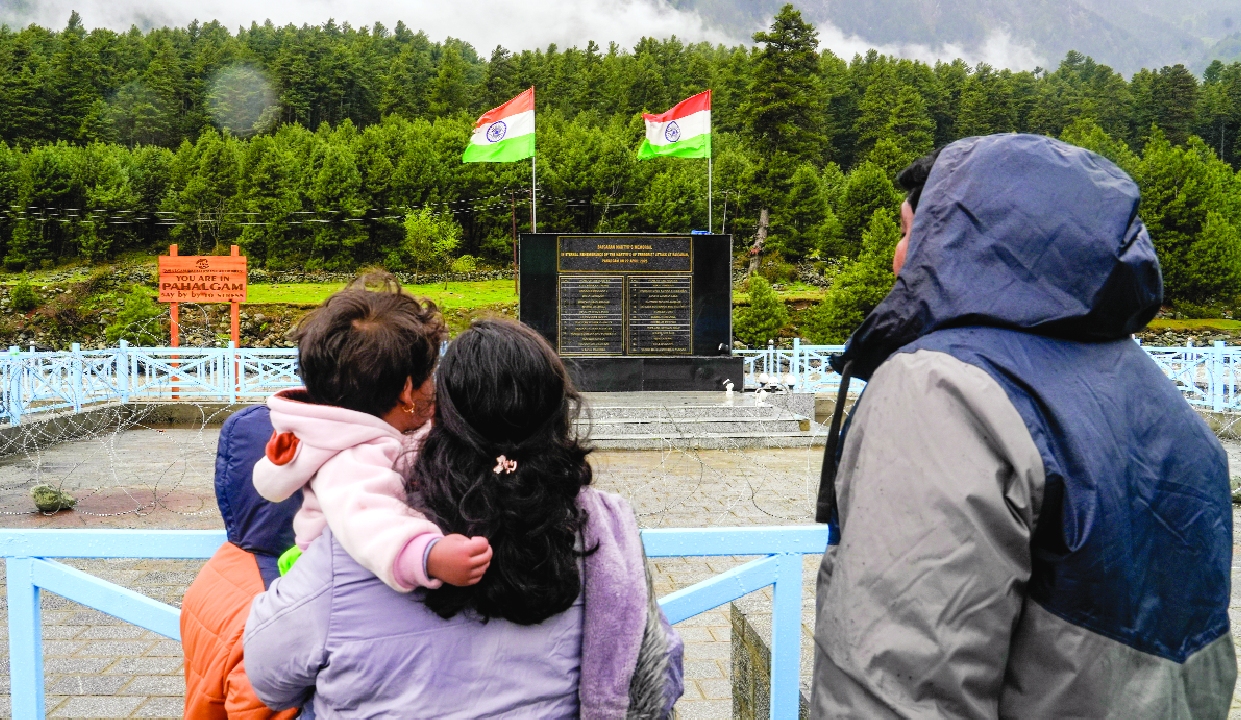
Pahalgam, nestled in the Lidder Valley of Anantnag district in Jammu and Kashmir, has long been celebrated as one of the region’s premier tourist destinations. Its lush meadows, pine forests and role as a gateway to the Amarnath Yatra, attracts lakhs of visitors annually from all corners of the country including foreigners.
Pahalgam’s serene meadow in Baisaran witnessed the horrific massacre of 25 innocent tourists and one local pony operator on April, 22, 2025. The brutal killing of tourists carried out by Lashkar-e-Taiyyba (LeT) terrorists linked to The Resistance Front (TRF), posed a bigger challenge for the security forces in protecting soft targets in a conflict-prone area.
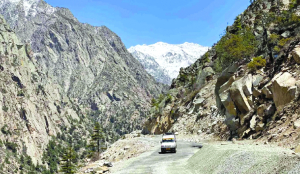
The primary challenge stems from Pahalgam’s topography. Baisaran Meadow, the attack site, lies about 7 km from Pahalgam town and is accessible only by foot or horseback through dense pine forests. Approximately 200m wide by 800m long meadow is ringed by a 7-foot chain-link fence with just two gates but its isolation makes constant physical patrolling impractical.
Terrorists exploited this vulnerability as they entered wearing military-style fatigues, used modern communication gear and vanished into the surrounding hills after the assault.
Similar inhospitable spots such as; Aru, Betaab Valley and upper reaches used for the Amarnath Yatra, share these features, creating natural hideouts for infiltrators from across the Line of Control or local over ground workers.
During peak season, thousands converge on these open meadows for pony rides, picnics and photography. Unlike urban or fortified sites, these areas lack layered perimeter security, CCTV networks, or rapid-response teams.
The 2025 attack occurred in an area with no armed personnel present, underscoring how seasonal tourism outpaces static security deployments. To make matters worse, local authorities had opened Baisaran to tourists two months ahead of the traditional Amarnath Yatra schedule without coordinating with security agencies, leaving the site unprotected.
In a region with a history of cross-border terrorism, tracking small, highly mobile teams armed with AK-47s and M4 carbines remains difficult. Terrorists often rely on local facilitators for logistics, shelter and reconnaissance networks that are hard to dismantle without alienating the civilian population.
Pahalgam’s economy depends heavily on tourism-related services: ponywallahs, guides and vendors. Terrorists could blend in or use insiders for intelligence. Post-2025, authorities introduced QR-code-based identification systems for all registered pony operators and vendors, along with antecedent verification.
The broader Kashmir Valley context adds layers, residual radicalization, cross-border funding, the challenge of distinguishing between genuine tourists and potential threats. Following the massacre, security has been significantly enhanced: additional deployments, drone surveillance, heightened checkpoints, and special measures ahead of the Amarnath Yatra and the attack’s anniversary. Tourist spots now see stricter protocols, including QR verification and real-time monitoring.
Seasonal events like the Amarnath Yatra require massive security mobilization, diverting resources from year-round protection. Climate and terrain also limit technology; dense forests hinder drone effectiveness in bad weather.
Pahalgam’s security challenges are not insurmountable but require constant vigilance. The 2025 attack served as a stark reminder that in a sensitive border region, even popular tourist havens remain high-value targets. While recent measures show proactive adaptation, the interplay of geography, terrorism and economic imperatives means Pahalgam and Kashmir’s tourism will continue to test India’s counter-terror strategy for years to come.