Air India to levy fuel surcharge on tickets
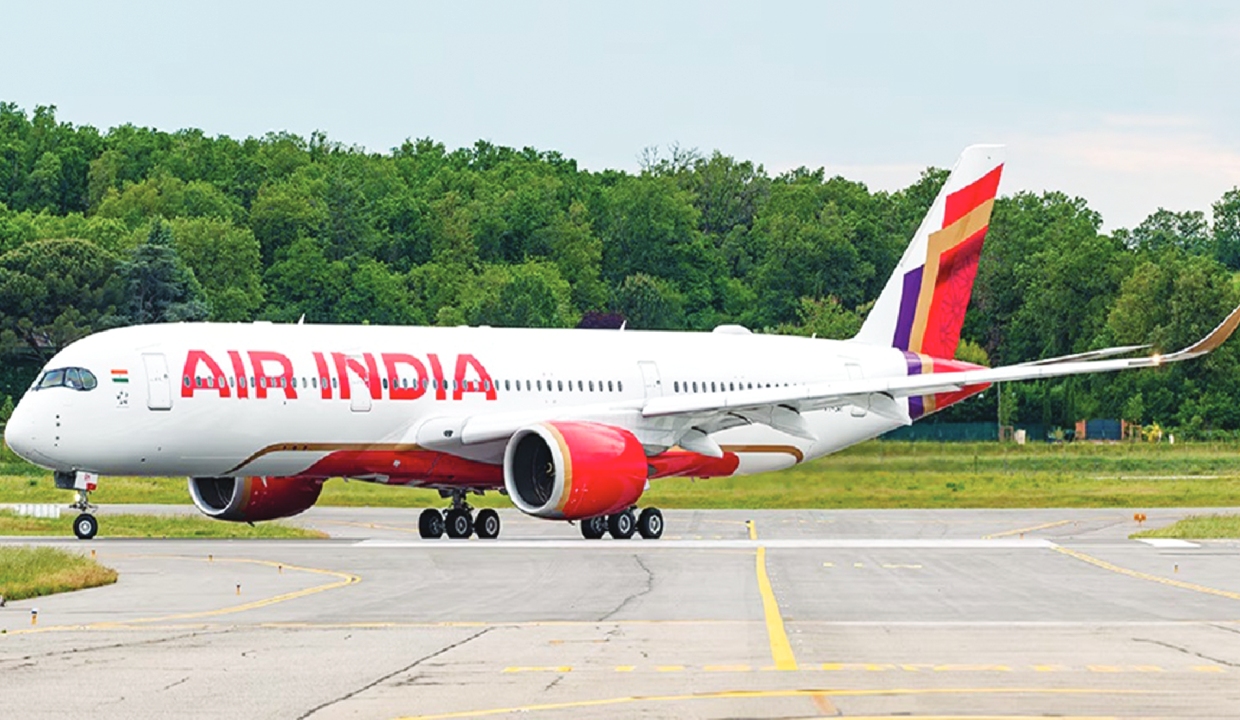
Air India on Tuesday announced that it will introduce a phased fuel surcharge on both domestic and international routes, citing a steep rise in aviation turbine fuel (ATF) prices triggered by the ongoing tensions between Iran and the United States in the Middle East.
The airline said the increase will be implemented in three stages and acknowledged that the move could push up ticket prices. However, it described the step as unavoidable, attributing the decision to factors beyond its control.
According to Air India, without revising fuel surcharges, some routes could become commercially unsustainable. “Absent such fuel surcharges, it is likely that some flights would be unable to cover operating costs and would have to be cancelled,” the airline said in a statement.
Under the revised structure, flights to West Asia or the Middle East will attract a fuel surcharge of $10. On African routes, the surcharge will rise by $30 to reach $90, while flights to Southeast Asia will see the surcharge increase by $20, taking it to $60. The airline said the revised rates are part of a broader plan to manage operational costs amid surging fuel prices.
It also indicated that the surcharge levels will be reviewed periodically and adjusted depending on changes in fuel costs and market conditions.
Notably, Air India Express, the low-cost subsidiary of Air India, will not impose any fuel surcharge on its services for the time being, potentially offering some relief to budget travellers.
Air India explained that since early March 2026, ATF prices have climbed sharply due to supply disruptions in global energy markets. Fuel accounts for nearly 40 per cent of an airline’s operating costs, making price fluctuations a significant challenge for carriers.
The impact is particularly pronounced in India because of high excise duty and value-added tax imposed on ATF in major aviation hubs such as Delhi and Mumbai. These taxes substantially increase operating expenses for airlines.
Industry experts note that jet fuel remains one of the most volatile cost components for aviation companies. Since India relies heavily on imported crude oil, domestic airlines are directly exposed to global energy price movements.
The ongoing conflict in the Middle East has also disrupted global energy supply chains. The strategically important Strait of Hormuz has remained under tension for more than two weeks, leaving hundreds of cargo vessels stranded at regional ports and raising concerns over energy shipments.
India imports nearly half of its natural gas requirements from international markets, with about 20 per cent coming from Qatar. Supply disruptions intensified after missile attacks targeted gas infrastructure in Qatar, prompting QatarEnergy to suspend production temporarily.
The resulting supply shock has affected natural gas availability across several Asian markets. In response, the Ministry of Petroleum has issued guidelines to regulate the distribution and use of natural gas across sectors in the country, prioritising critical industries and essential services.
Air India said it will continue monitoring fuel prices and geopolitical developments before making further adjustments to its surcharge structure.