Ahmedabad blasts: HC cites scale of terror, conspiracy to uphold death penalty
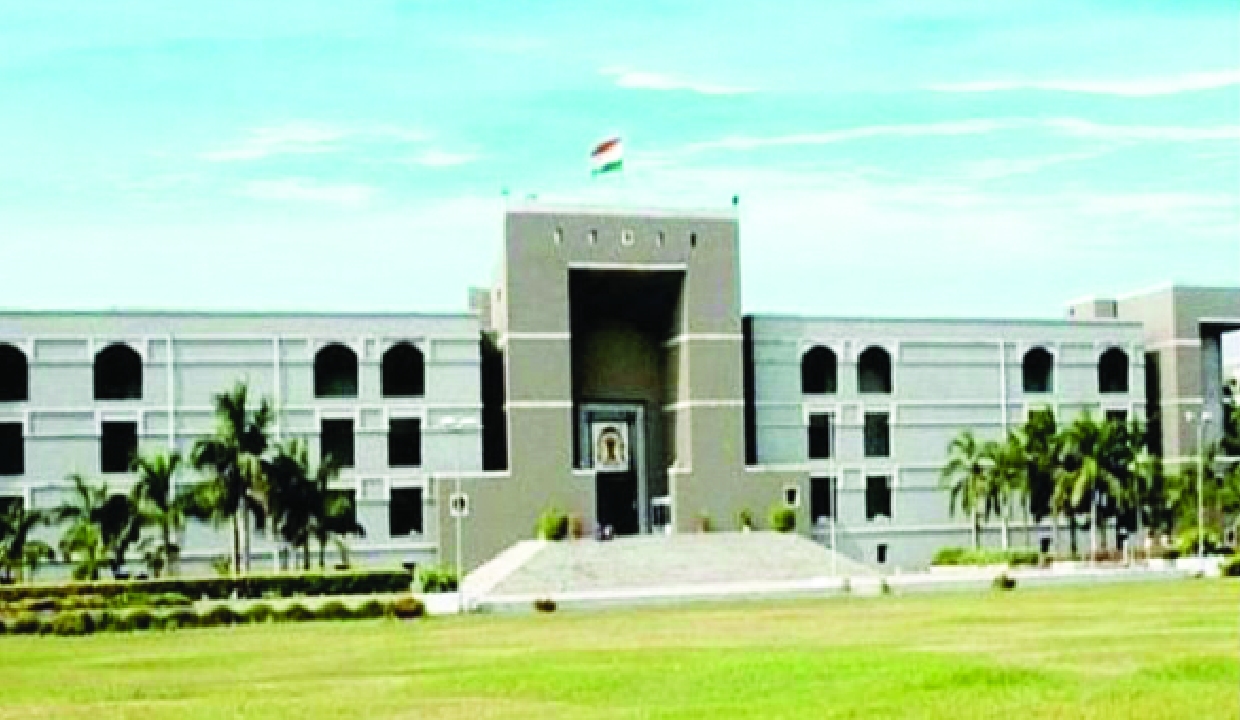
The Gujarat High Court, while upholding the death sentence of 38 Indian Mujahideen operatives in the 2008 Ahmedabad serial blasts, has cited the “humongous” conspiracy, the intention to spread widespread terror and the large number of casualties as key reasons for affirming the punishment.
A division bench of justices AY Kogje and Samir Dave, in its July 7 judgment, also upheld life imprisonment given to 11 other convicts, holding that their roles in terror training camps in Gujarat and Kerala and logistical support to the conspiracy had been proved.
A copy of the order was made available on Monday.
On July 26, 2008, a series of 21 bomb blasts ripped through different areas of Ahmedabad in a span of 70 minutes, killing 56 persons and leaving more than 200 others injured. Explosions also occurred at hospitals where victims were being taken for treatment, marking the first such targeting of medical facilities in a terror attack in India.
The high court rejected all appeals filed by the convicts and confirmed the February 2022 judgment of the special court, which had sentenced 38 members of the Indian Mujahideen (IM) terror outfit to death and 11 others to life imprisonment. The state Government had sought confirmation of the death sentences.
In its July 7 judgment, the high court said the criminal antecedents and roles of the 38 convicts established that they had carried out a terrorist act warranting the death penalty.
It noted that the special court considered both mitigating and aggravating circumstances before pronouncing the sentence.
The number of deaths, the “humongous nature of conspiracy”, the intention “to create an atmosphere of widespread terror in the society”, the conduct of the convicts during trial, the scale of the conspiracy, and the loss of innocent lives in the “inhuman and dastardly act” justified the capital punishment, the HC said. “The manner in which the bomb blasts were executed speaks volumes about the mindset and the remorseless act of taking away the lives of innocent people,” the high court observed.
It also noted that some of the convicts had criminal antecedents and none showed remorse. Disciplinary action had been taken against them during their incarceration, and there was nothing on record to justify taking a lenient view while sentencing them, the HC said.
While upholding the life sentences of the remaining 11 convicts, the bench said the prosecution had established their participation in terror training camps and their involvement in procuring scooters, plastic containers, and clocks used in the conspiracy, besides arranging shelter for the other accused.
“Having perused the entire evidence on record, the court is of the view that the reasoning given by and the findings arrived at by the special court while sentencing this set of accused to life imprisonment are just and appropriate,” it said. The high court also upheld the fines imposed on the convicts, observing that the magnitude of the offence, the damage to public property and the large-scale loss of life and injuries justified the penalties. The court directed the Gujarat Government to pay compensation of Rs 10 lakh to the families of those killed and Rs 5 lakh to the grievously injured persons before March 30, 2027. The convicts include Safdar Nagori, former leader of the banned outfit Student Islamic Movement of India (SIMI), and his associates from 11 states, including Gujarat, Madhya Pradesh, Kerala and Uttar Pradesh.
Seventy-eight persons were put on trial after 35 police cases — 20 FIRs relating to the Ahmedabad blast and 15 linked to unexploded bombs recovered in Surat — were merged. Forty-nine persons were convicted by the special court.
The HC heard the case extensively for more than one and a half years, and from February this year, it was heard on a day-to-day basis.
The special court’s February 2022 order marked the first time that 38 convicts were handed down the death penalty in a single case by any court.
In January 1998, a TADA court in Tamil Nadu sentenced to death all 26 convicts in the case of the assassination of former prime minister Rajiv Gandhi in 1991.