India slams Iran after missile kills Indian sailor, injures eight
The attack comes days after another Indian sailor went missing in Iranian fire in the Strait of Hormuz, raising fresh concern over safety of seafarers
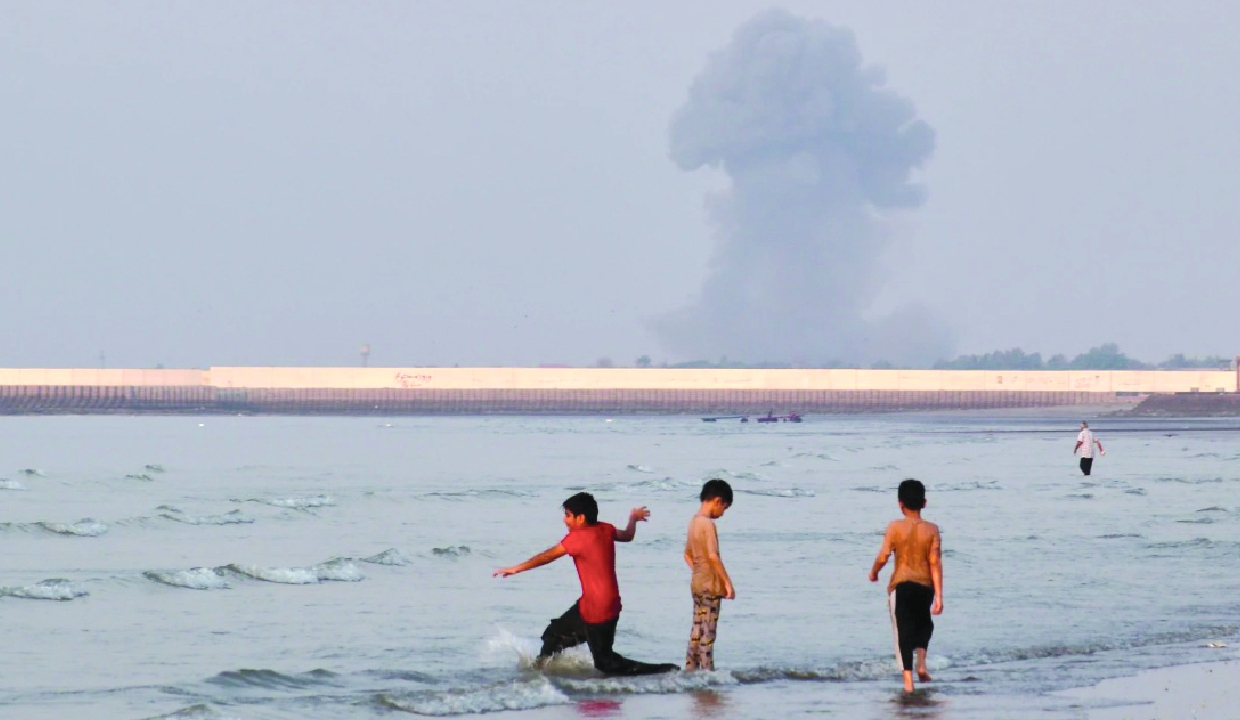
India on Tuesday lodged strong protest with Iran following a deadly missile attack on two UAE-flagged oil tankers in the Strait of Hormuz that claimed the life of an Indian seafarer and left eight, including six Indians and two Ukrainians, injured. Since the escalation of conflict in West Asia in late February, more than 13 Indian nationals, many of them seafarers, have lost their lives.
The latest strikes on Tuesday targeted the tankers Mombasa and Al Bahiyah while they were navigating Omani territorial waters near Bandar Abbas. According to a statement from the UAE Ministry of Defence, Iranian cruise missiles hit the vessels, resulting in the death of one Indian crew member on the Mombasa and injuries to eight sailors. The UAE condemned the attack and reserved its right to respond in order to protect its sovereignty, citizens, and national interests.
India’s Ministry of External Affairs on Tuesday morning summoned Iran’s Deputy Chief of Mission, Mohammad Javed Hosseini. Joint Secretary in-charge of the Pakistan-Afghanistan-Iran division, Anand Prakash, conveyed India’s firm objection to the incident during the meeting, which lasted around 10 minutes. Iran’s Ambassador Mohammad Fathali was unavailable as he is currently travelling.
This latest incident comes just days after an Iranian strike on the Cyprus-flagged container ship GFS Galaxy, in which another Indian seafarer went missing. The attacks follow the breakdown of a ceasefire between the US and Iran. A US-brokered interim agreement, mediated with Pakistani involvement and announced last month, had paused hostilities for 60 days. However, US President Donald Trump declared the end of ceasefire over the weekend, ordering the reimposition of a blockade on Iran while announcing new US tolls for vessels passing through the Strait of Hormuz, which he reversed on Tuesday, in exchange for investments and trade deals with countries in the region.
For India, fresh instability in the Strait of Hormuz poses a serious threat to energy supplies. The Gulf region supplies a major share of India’s crude oil and liquefied natural gas (LNG) imports. Any prolonged disruption could further strain the economy.
India’s crude oil imports in the first quarter of the 2026-27 financial year have already surged to around $60 billion — up significantly from roughly $45 billion in the same period of 2025-26 — largely due to elevated global prices.
New Delhi has urged both Washington and Tehran to return to dialogue and diplomacy to de-escalate the situation and prevent further damage to regional stability and global energy flows.
13 Indians dead in West Asia crisis
New Delhi: India has confirmed that 13 Indian nationals have been killed and three remain missing in the Gulf region since February 28, with commercial seafarers bearing the brunt of the violence. The casualties stem from repeated strikes on merchant vessels following the launch of the US military operation Epic Fury against Iran in coordination with Israel. Iran has retaliated with attacks on commercial shipping and briefly shutting the Strait of Hormuz, severely disrupting one of the world’s most critical energy corridors. Addressing the media on Tuesday, Ministry of External Affairs spokesperson Randhir Jaiswal expressed deep concern over the latest attacks on two commercial vessels, in which one Indian seafarer was killed and several others injured. Providing an update on the strikes that occurred overnight, Jaiswal said the two vessels together had 30 Indian seafarers on board. They noted that Indian seafarers have suffered the highest number of fatalities among all nationalities in attacks on commercial shipping in the region. He said complete details on the total number of Indian ships in the area and overall casualties would be shared later. India has been actively monitoring the safety of its large seafaring community in the Gulf and has repeatedly urged all parties to exercise restraint and return to dialogue to prevent further loss of life and disruption to global energy supplies.