11th Ayurveda Day celebrations held across world
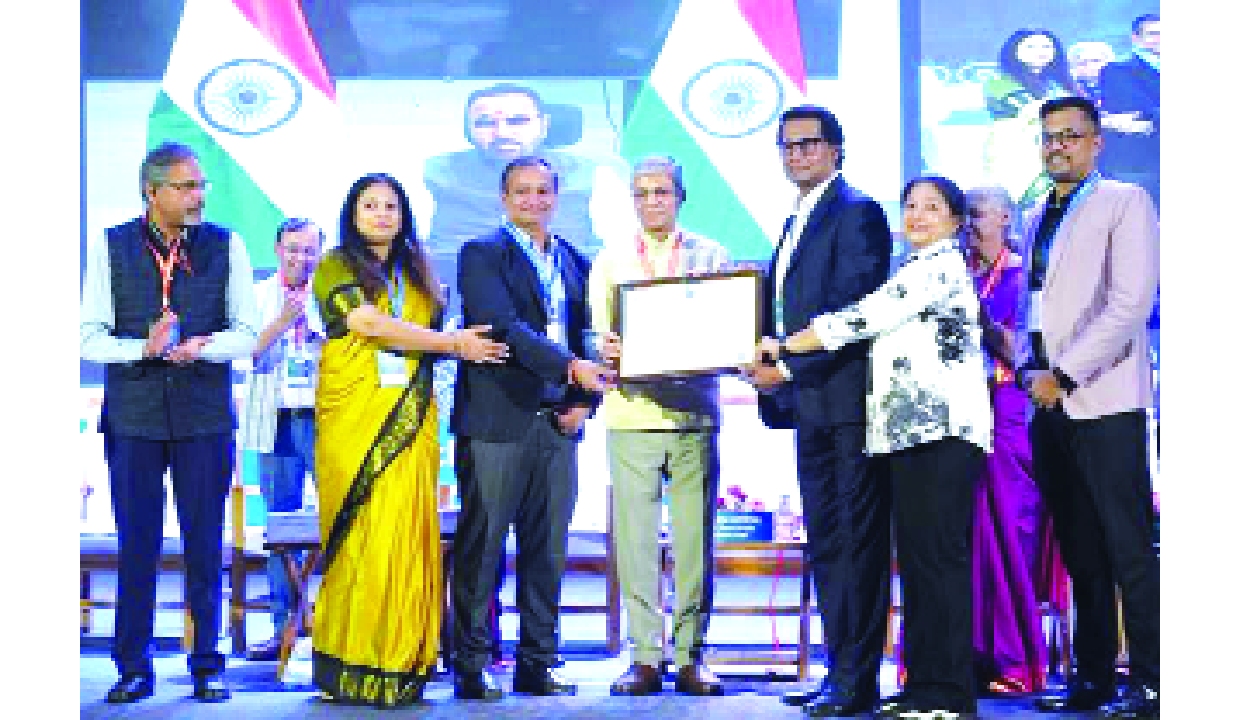
The 11th Ayurveda Day was celebrated with enthusiasm across India and the world. The Grand National celebrations were held in Nagpur, Maharashtra. This year’s theme was “Ayurveda for a Healthier Tomorrow”. The programme witnessed the unveiling of key reports and documents, including the report on the Ayush Services Sector and “Ayush Vision 2030”, along with the launch of the CCRAS-AGNI Web Portal. The event also featured scientific sessions on Ayurveda’s role in healthcare and public health, as well as the roadmap towards 2047.
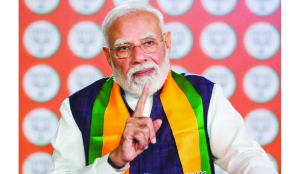
The programme read out the Prime Minister’s message. In his message, Prime Minister Narendra Modi said that Ayurveda’s journey from tradition to knowledge, evidence, and innovation will help secure the health and well-being of future generations. He highlighted that Ayurveda’s identity has expanded beyond India’s borders, with the AYUSH Visa facility enabling foreign nationals to seek treatment under AYUSH systems in India.
Referring to the resolve of ‘Shakti ki Sadhna’, the Prime Minister said India is moving steadily towards a Viksit Bharat and expressed confidence that institutions, experts, and youth associated with Ayurveda will take this rich tradition to new heights and help build a healthy, capable, and strong nation.
The celebration ceremony was virtually inaugurated by Union Minister of State (Independent Charge), Ministry of AYUSH, and Minister of State, Ministry of Health & Family Welfare, Prataprao Jadhav, in the presence of Secretary, Ministry of AYUSH, Vaidya Rajesh Kotecha; Director General, Central Council for Research in Ayurvedic Sciences (CCRAS), Professor (Vaidya) Rabinarayan Acharya, and other dignitaries.
Addressing the celebration, the Union Minister described Ayurveda as a key part of India’s health vision, saying, “The first centre of health is not a hospital, but our home. The first foundation of health is not medicine, but our lifestyle.”
Secretary, Ministry of Ayush, Vaidya Rajesh Kotecha, emphasised that the future of Ayurveda lies in connecting its knowledge tradition with scientific evidence, innovation and public health outcomes. He stressed the need to strengthen research, quality, safety and standardisation while promoting collaboration between Ayurveda and other healthcare systems.
The scientific deliberations were followed by a summary presented by Professor Sanjeev Sharma, Vice Chancellor, National Institute of Ayurveda, Jaipur. Professor (Dr) Unnat P Pandit, Controller General of Patents, Designs & Trade Marks, also delivered remarks on the report on AYUSH-related inventions in India, while Dr A Raghu, Adviser (Ayurveda), Ministry of Ayush, spoke on the standard treatment guidelines on skin disorders.
The event was graced by Satyajit Paul, Senior Statistical Advisor, Ministry of Ayush; and Professor Sachin Kumar Sharma, Director General, Research and Information System for Developing Countries (RIS), along with senior officials of the Ministry of Ayush, representatives of Ayush Councils and institutions.