Your story is your home
The 14th India Design ID opens in Delhi, ditching showroom perfection for slow joy, layered stories, and soulful human luxury, A beautiful, woven collision of heritage and high-concept modern art.
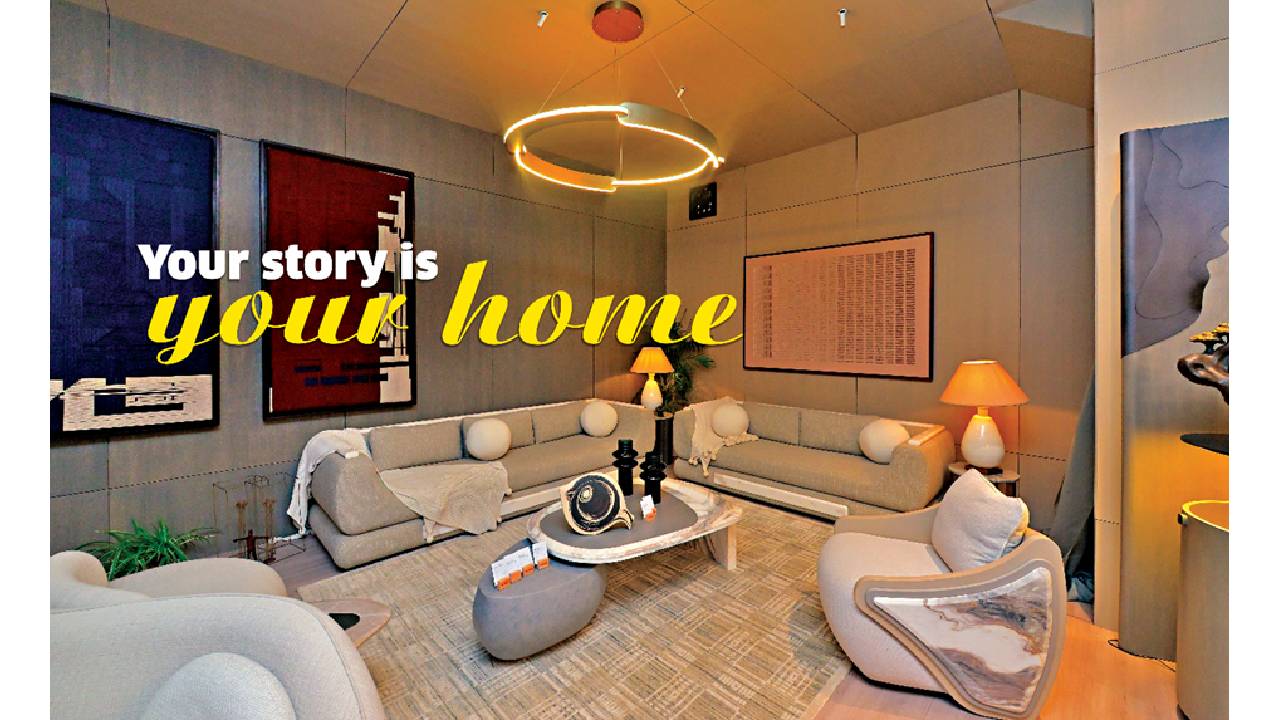
Can the future of your living room be just be a window of your soul? I think we’re finally done with those cold, showroom-style houses. It’s becoming more about layered storytelling-basically ditching matching sets for a bit of curated messiness. It’s about pairing a low-profile modern sofa with a heavy, hand-knotted rug and using a soft backdrop like Moonlit Silk so everything finally has room to breathe.
Let’s be real: the “museum home” thing is dead. We spent way too long chasing a stiff version of luxury that just felt... empty. It turned our houses into catalogues where you’re literally afraid to sit down or actually relax. We were all low-key obsessed with spotless sofas, totally forgetting that a house is supposed to be about the person actually living in it.
As the industry saying goes, “A house is made of walls and beams; a home is built with love and dreams,” and for too long, we neglected the dreams in favour of the beams. But as the sun set over the NSIC Grounds this week at India Design ID 2026, a new truth emerged from the dust of the old world. The modern home is finally done trying to win over the neighbours; it has started focusing on the soul instead.
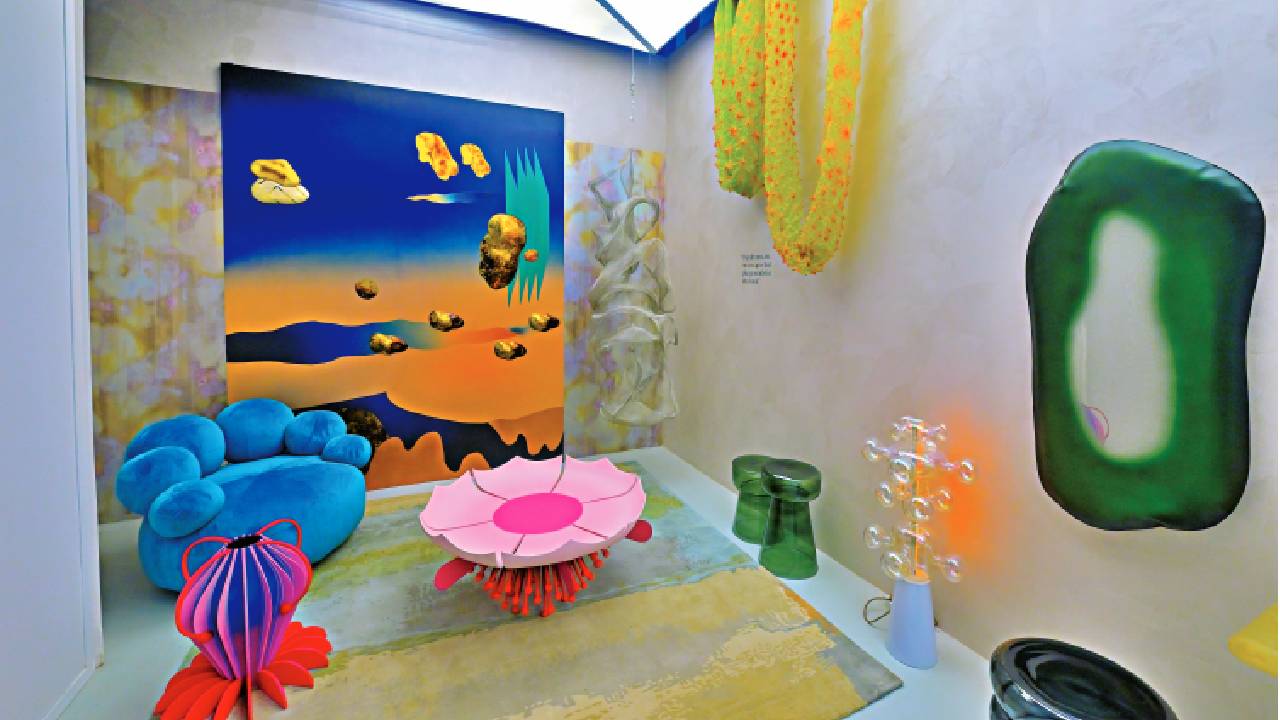
We are moving into a phase where everything just… blends. It is that kind of style where your grandmother’s old-school craftsmanship is finally invited to sit right alongside a sleek, contemporary sofa. The home today is a bit of a high-wire act. It’s trying to pull off this impossible feat of being minimalist but still warm — traditional, yet clean. It manages to be sophisticated without a single ounce of that stuffy, “don’t touch that” energy we all grew up with.
There is a specific shade of yellow popping up everywhere right now, and honestly, people are calling it the colour of “slow joy.” Unlike those frantic neons or that aggressive, bright bumblebee yellow we have all seen a million times, this “Moonlit Silk,” the Colour of the Year, is different. It radiates a grounded warmth that answers an overstimulated world with a sense of familiarity, making it the perfect foundation for a design-led interior.
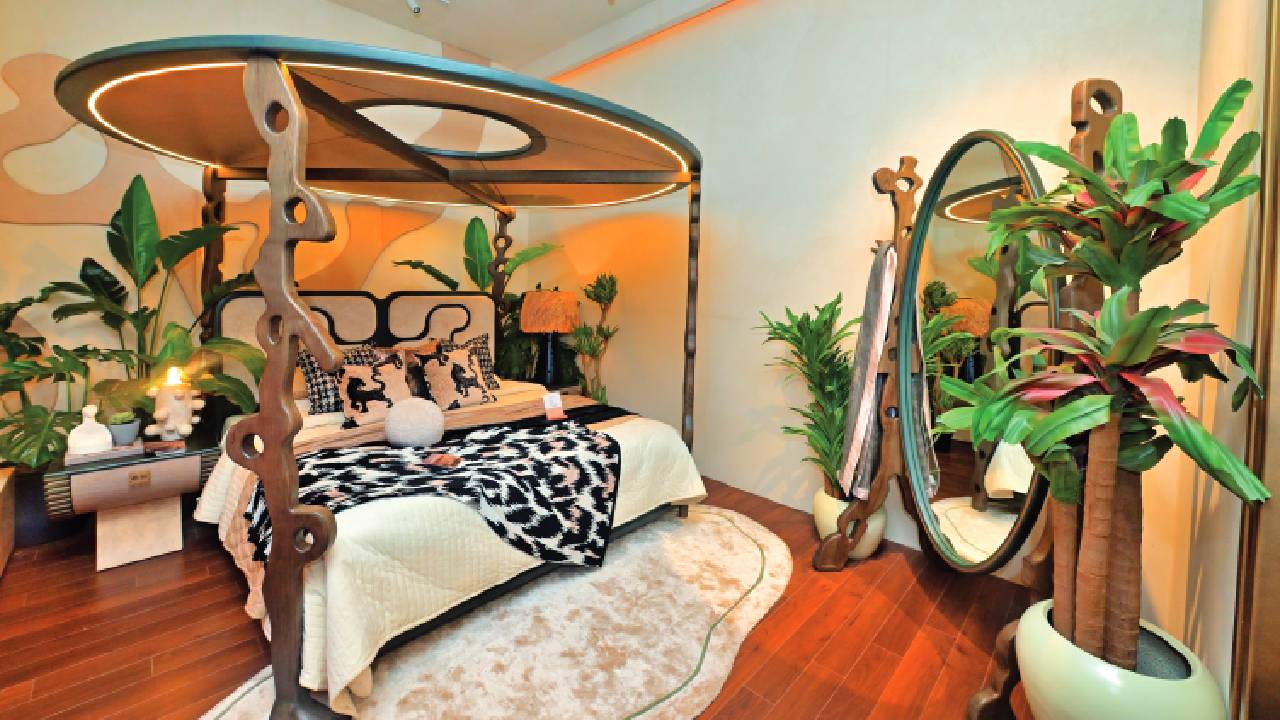
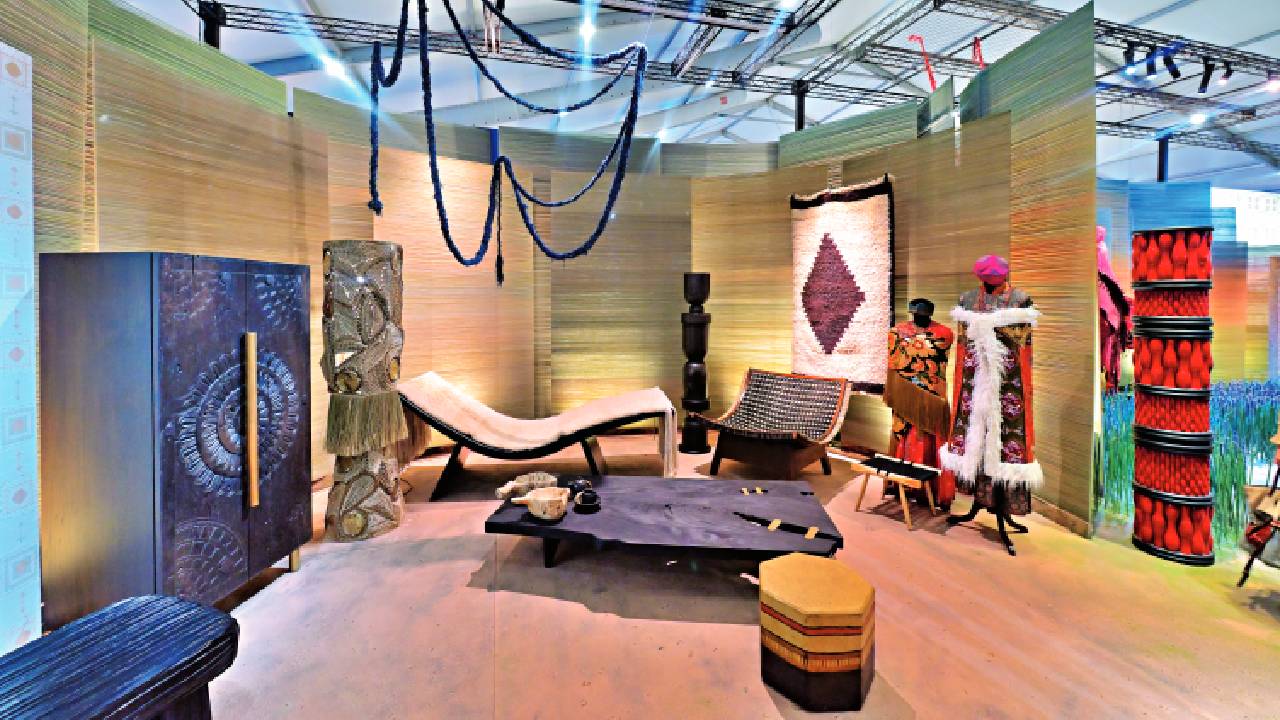
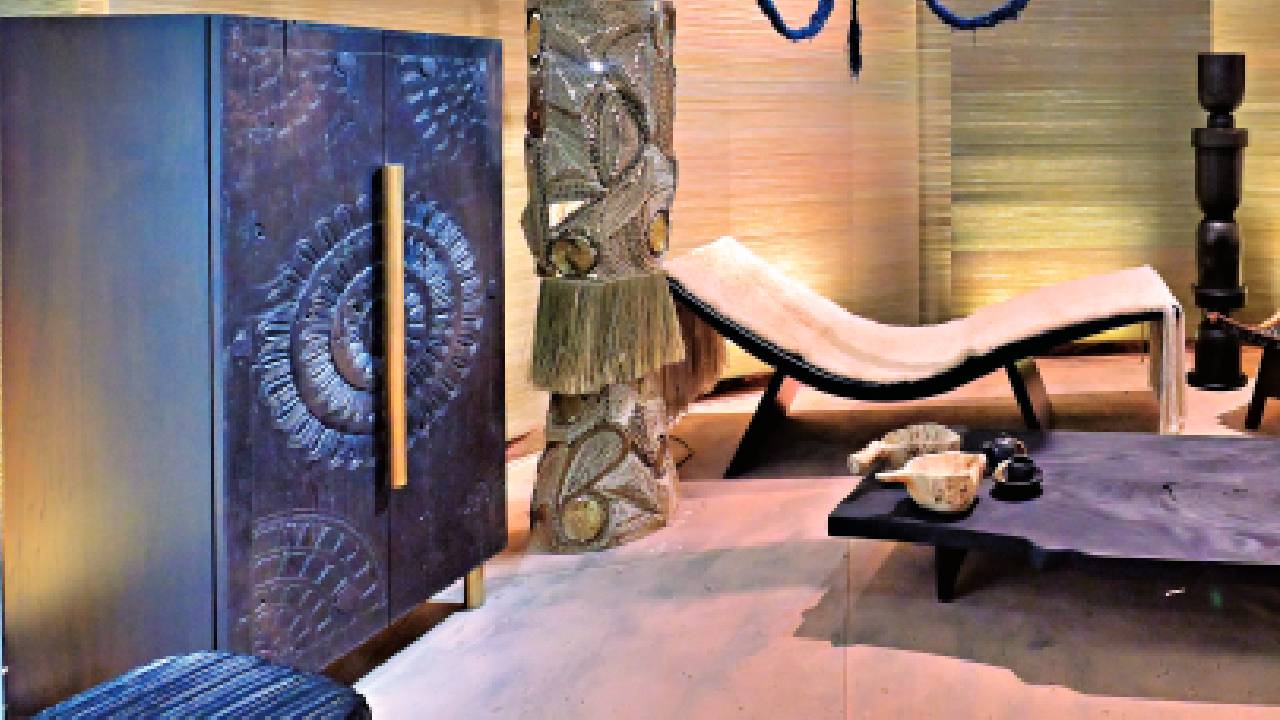
At India Design ID 2026, brands like apartment9 perfectly demonstrated how this slow joy translates into physical space. Their curated spaces are about showcasing a lifestyle where tradition and modernity do not just coexist. They fall in love. Imagine a space where a hand-carved wooden screen from a Rajasthani workshop filters the light onto a contemporary glass sculpture, all bathed in the quiet, meditative warmth of Moonlit Silk walls. This is the Modern Touch we have all been waiting for. As Frank Lloyd Wright once put it, “The space within becomes the reality of the building,” and looking at 2026, that reality is just... softer. It’s cleaner, sure, but it is also infinitely more human.
Have you ever wondered why we’re all so tired of those perfectly polished, machine-made homes that feel more like showrooms than actual places to live? Walking through India Design ID this year, the answer was everywhere. There’s a real shift happening, moving away from cold, digital perfection to put the human hand back at the centre of the room. You can feel this change most in the DAYS project by Princess Pea and Jaipur Rugs. It’s a partnership with weavers like Dhapu Devi and Sumitra Devi that has spanned twenty years, where each rug is a hand-knotted record of time, taking twenty days of steady, quiet work to finish just one piece.
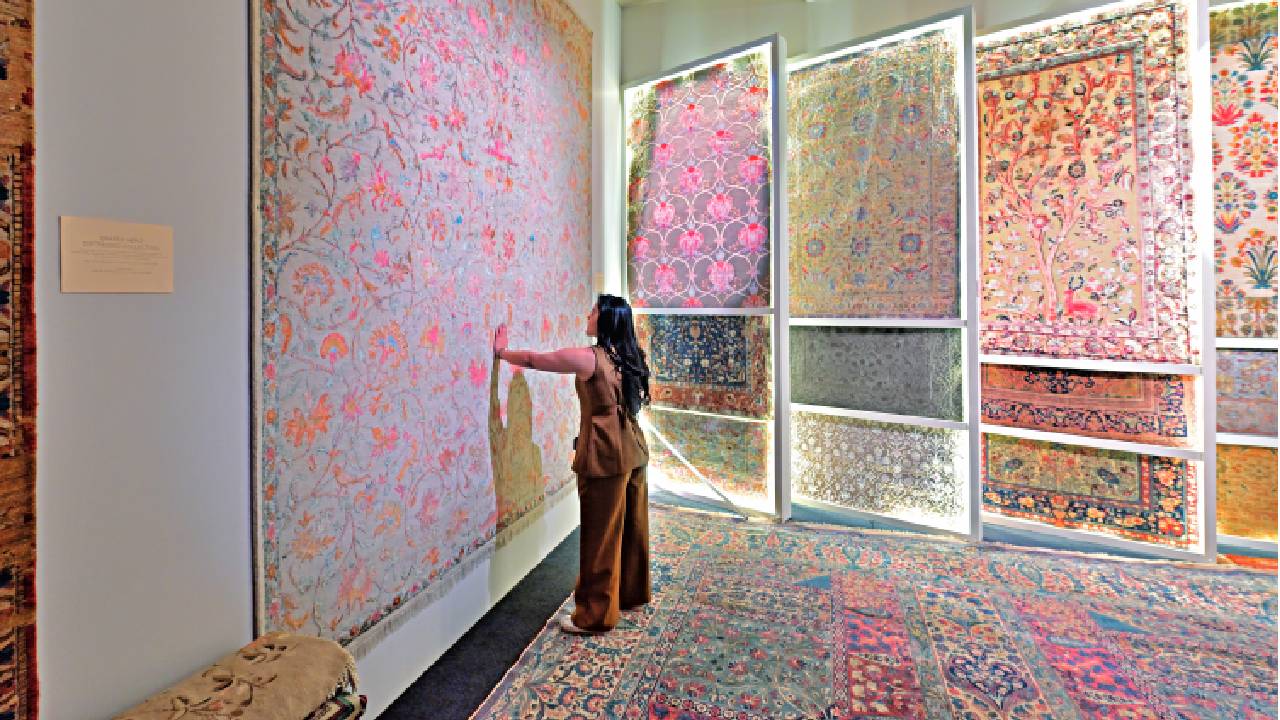
The concept behind it is incredibly personal. It turns the vulnerability of menstruation — a symbol of fertility that’s often treated as a taboo — into a quiet act of resistance. The artist created this series to reclaim that time of rest. The designs, like the mustard-toned AKWS9011 for resilience, include figures of a father, mother, and sister as gestures of comfort.
We originally brought these rugs into our home just because they looked beautiful, but we never realised how deep the story actually went. It’s moving to think the imagery started as miniature paintings on silk while the artist was resting on the floor, passing that baton of care over to the weavers. One of the women shared with a smile that she’s become so fast at the loom now, but that rhythm of patience is still there in every knot. Bringing a piece like this home anchors a space in a narrative of human worth and the quiet pride of a maker’s touch.
The focus on real craftsmanship carries over into Nishant Chandra’s Gardens of Eternal Spring from The Carpet Cellar. Walking through his space feels like you’ve walked into a sixteenth-century Persian dream that’s somehow been reimagined for a modern apartment. Nishant walked me through the history behind these — most are woven using old-school techniques from the early 1900s, using vegetable dyes and recycled sari silk for the birds and trees. They really symbolise that harmony with nature so many of us are chasing in our busy lives right now. These pieces involve a kind of labour that’s just hard to find anymore.
They take months to finish and require a level of patience that feels almost radical in 2026. Because of the natural silk and the three-dimensional textures, the feel of it is something a machine just... cannot do. It’s really that mix of sustainability and art that makes a place feel classy, you know? It’s different from just looking “expensive”. There’s that old saying about how you’ll remember the quality long after you’ve forgotten what you actually paid and honestly, these carpets are basically the proof of that.
The whole back-and-forth between India and France this year is on a totally different level. Through the “Art de Vivre a la française” at India Design ID 2026, which is a partnership with Business France, there is this massive 350-square-metre space that basically brings legendary French style right into the middle of the show. This year actually feels like a bigger deal since it is highlighting the India-France Year of Innovation. Thierry Mathou, the French Ambassador, mentioned that mixing lifestyle with tech like this is basically just a way to build a real bridge between the two countries.
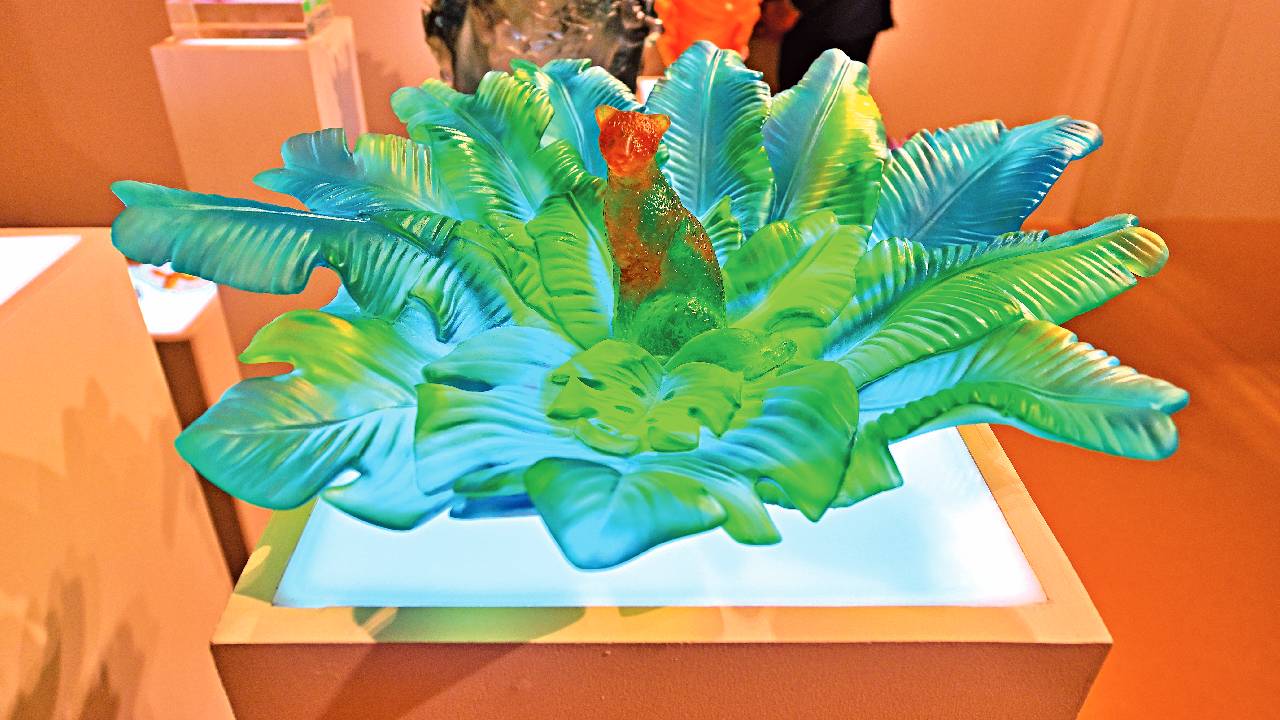
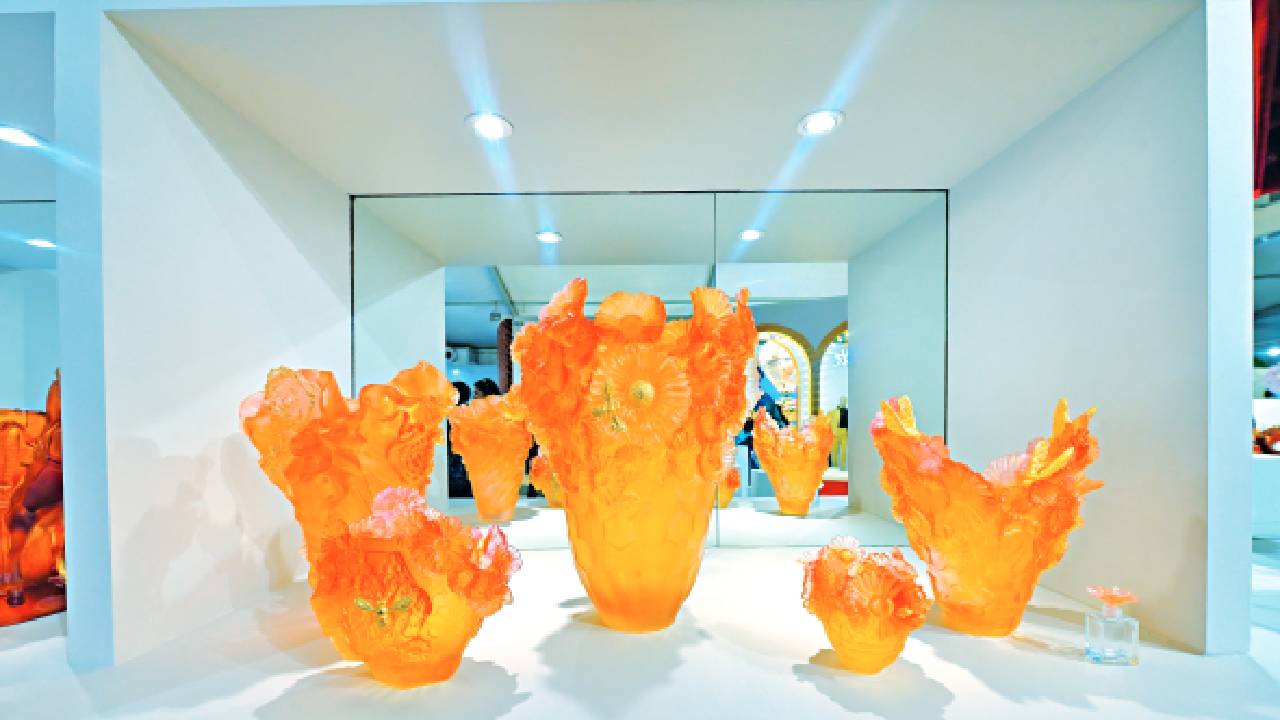
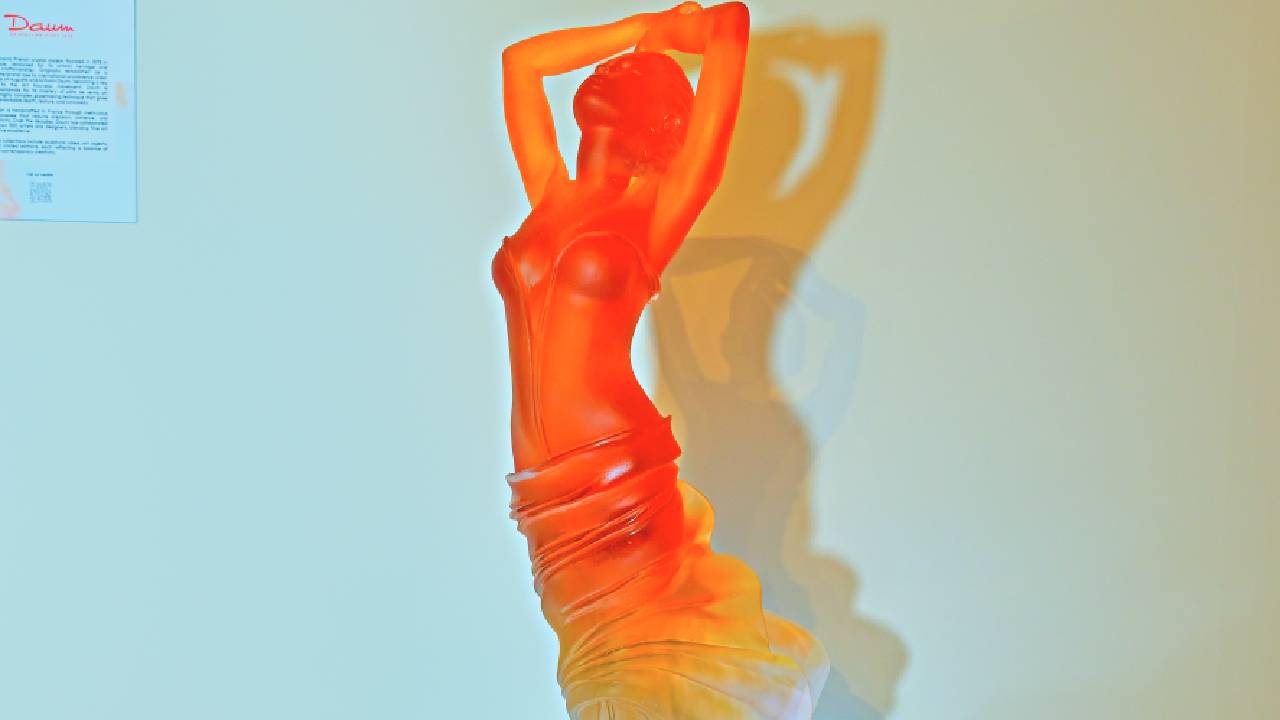
There are about 13 French Houses there showing how to make old-school methods look modern. Nathalie Borderie is another perfect example. She’s a French glass artist who somehow treats glass like it’s a piece of fabric, melting it into metal to make sculptures that look like magic. No two pieces are ever the same because the effort is immense. It takes months of diamond-cutting and a seriously long time to get every tiny detail to sit right. You can actually see the hours of work in how the textures shift when you walk past. Then there is Maison Daum. They use an ancient technique to trap colour right inside the crystal so it looks like it is actually breathing. It adds this sculptural lighting to a room where the piece glows from the inside, even after the lights are turned off. For walls and floors,
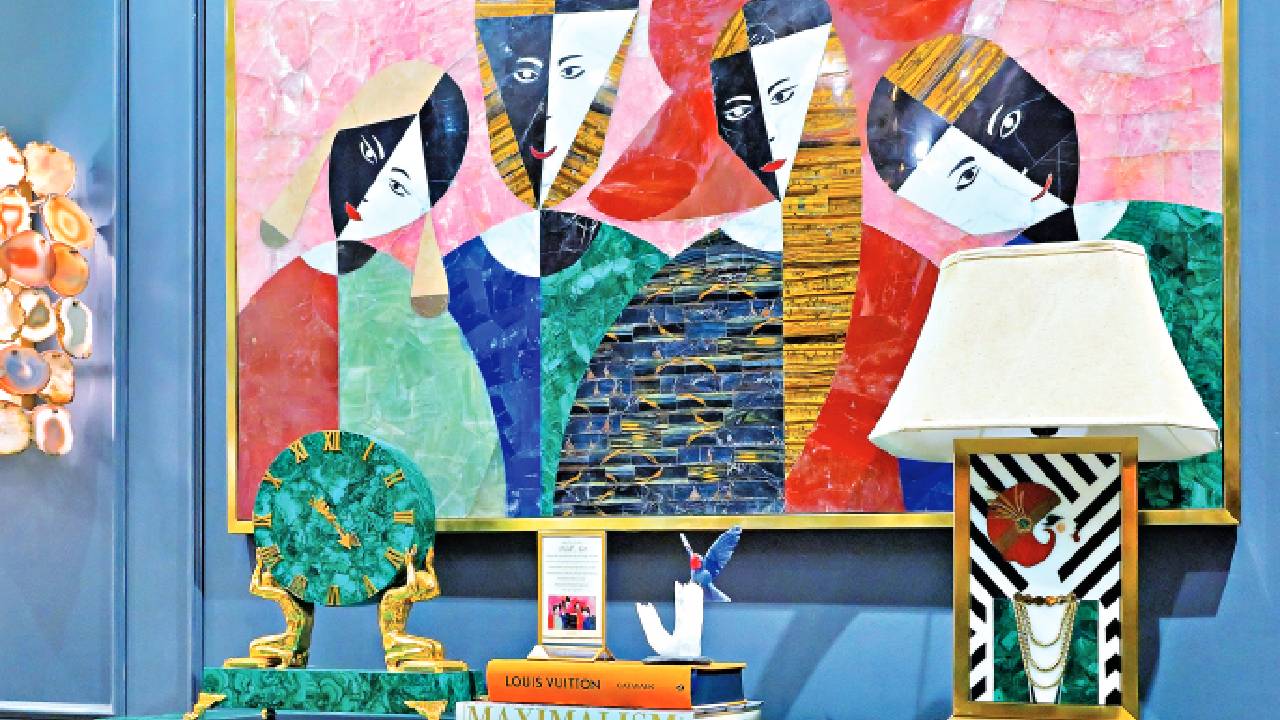
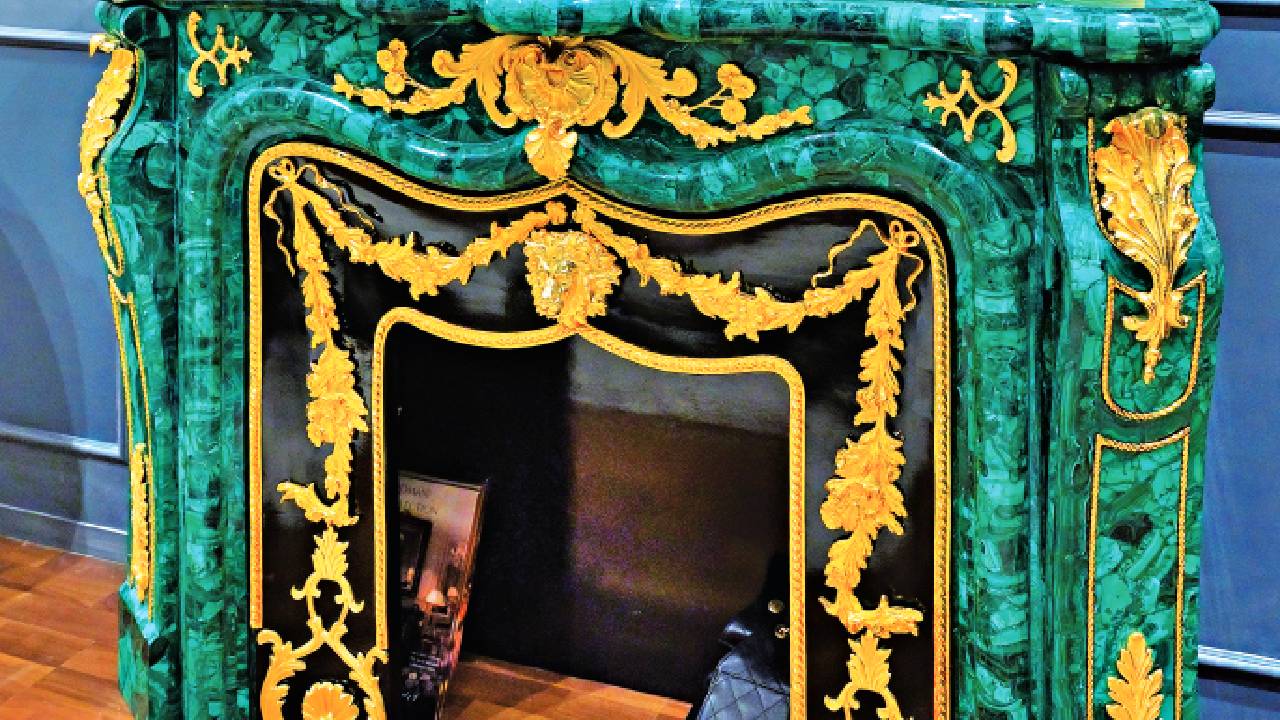
Casamance and MISIA bring high-end fabrics that feel like an emotional interlude. Nattiot creates sustainable rugs for families. These textiles provide the tactile comfort that balances out harder surfaces like stone and glass. Even the tech is high art. Waterfall Audio makes speakers out of handcrafted glass. Even the very bones of our homes are becoming precious. Munjal Jhaveri over at Bespoke Home Jewels is doing something bold by using gemstones like malachite and lapis lazuli as architectural pieces. She describes a fireplace that took 10 people working for 50 days straight to finish. They used a lost-wax casting technique for silver and gold accents on rare Makrana marble. It captures something ancient yet futuristic all at once — that’s why it pairs so seamlessly with Vibhor Sogani’s light installations. In his piece A Dance of Balance, gleaming stainless steel orbs sway in quiet harmony, mirroring the deeper equilibrium we all quietly seek in our lives.
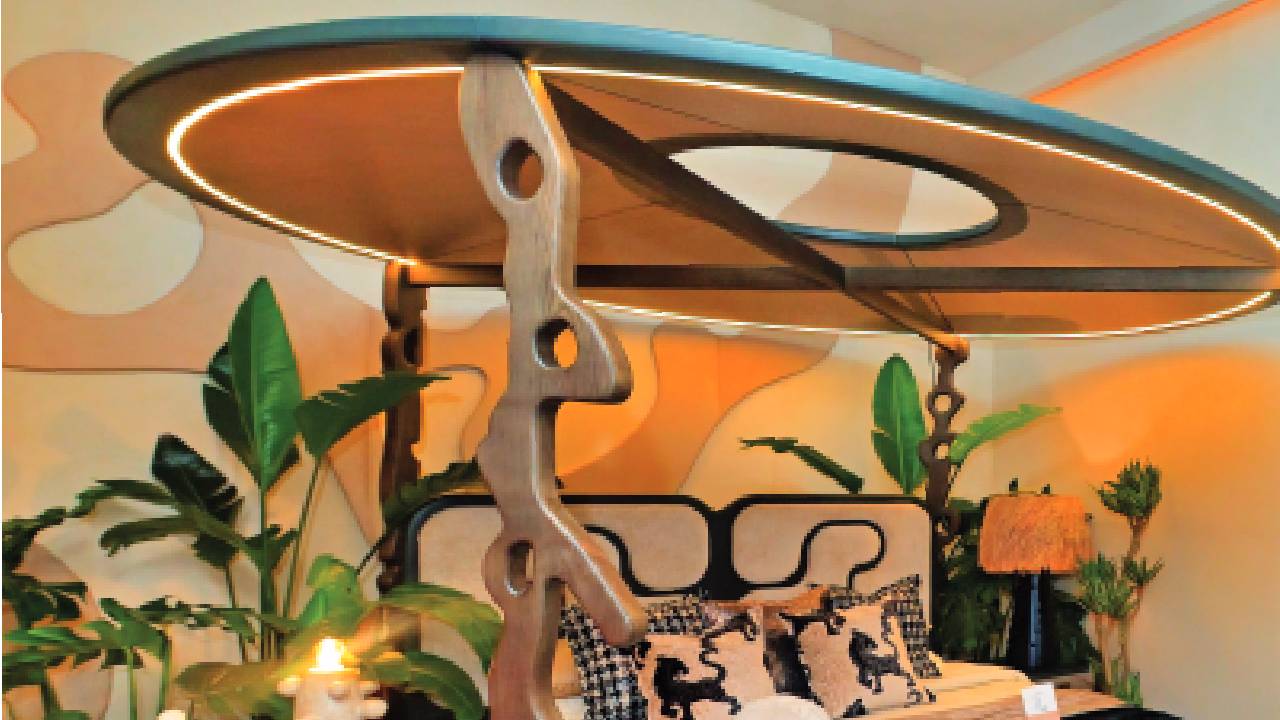
The home of 2026 is a gathering of global voices and sustainable ideas. As Misha Bains (Fair Director & Curator) and Aashti Bhartia (Vice Chair-person, Ogaan Media) envisioned, this is where the business of design finally meets the soul of creativity. It is a space where even the gourmet cafes remind us that beauty extends to taste and comfort. The big takeaway here? Just stop chasing perfection and start choosing what actually feels like you. At the end of the day, a house is really just a pile of bricks and a roof over your head. It’s the messy, beautiful, lived-in story you bring into those rooms that actually turns a cold space into a home.