Yoga: Foundation of healthy humanity, balanced nature and sustainable future
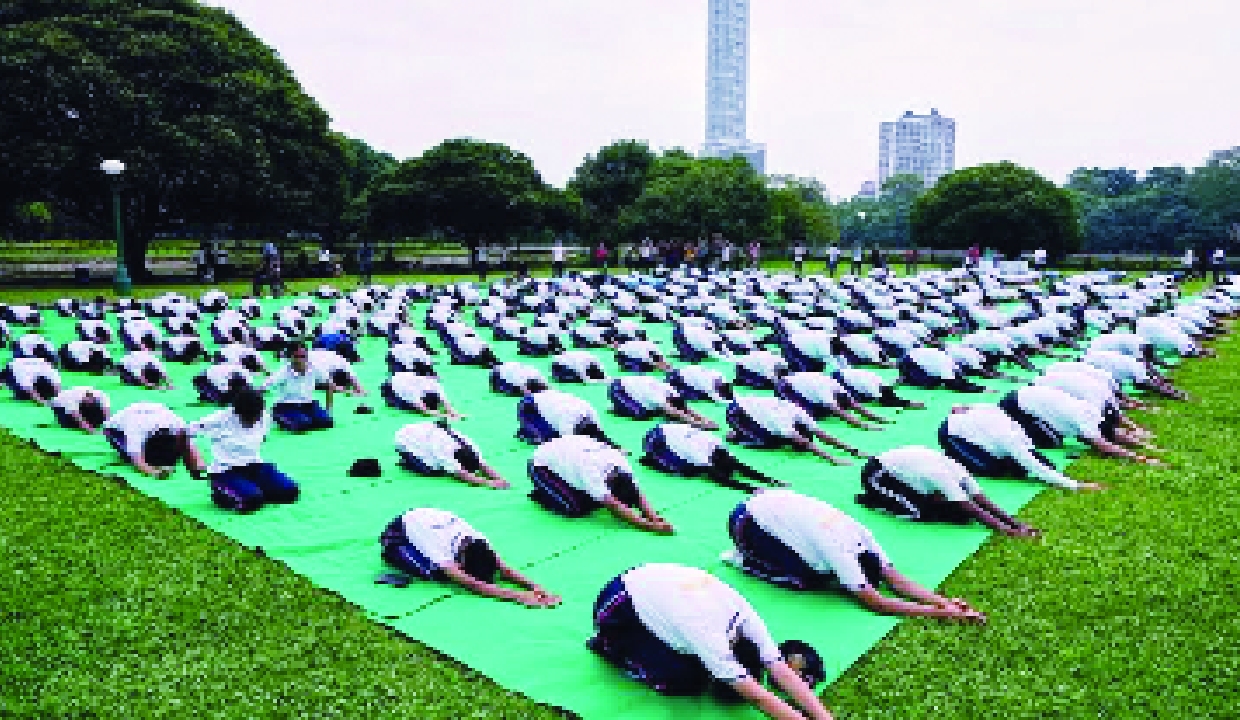
India’s ancient cultural tradition has always guided the world in the art of living. The philosophy of “Vasudhaiva Kutumbakam” (the world is one family) is not merely an ideal but a pathway to the welfare of humanity. One of the greatest gifts of this tradition is Yoga. Today, Yoga is no longer confined to India; it has become a global means of achieving health, balance, and inner peace.
Under the visionary leadership of Prime Minister Narendra Modi, the recognition of 21 June as the International Day of Yoga by the United Nations symbolizes the global acceptance of India’s cultural strength and spiritual heritage. It is not merely an annual observance but a worldwide movement aimed at securing a better future for humanity. By taking Yoga to the masses, the Prime Minister has transformed it into an integral part of modern lifestyles. Today, millions across the globe practice Yoga for physical well-being, mental balance, and spiritual tranquility.
Yoga: More Than Exercise, a Complete Science of Life
At a time when the world is confronting challenges such as climate change, unhealthy lifestyles, mental stress, and rising diseases, Yoga has emerged not merely as a form of exercise but as a comprehensive science of living. Yoga teaches us that life is not about consumption alone, and the future cannot be secured through the reckless exploitation of resources. Sustainable development requires the conscious, sensitive, and responsible use of natural resources.
Respect for nature and respect for one’s body are deeply interconnected. Just as maintaining ecological balance is essential, preserving the balance of our body and mind is equally important. Yoga teaches this harmony. This is why the philosophy of Yoga perfectly complements the Lifestyle for Environment (LiFE) initiative advocated by Prime Minister Modi. While LiFE inspires responsible living, Yoga provides the discipline and inner strength needed to practice it.
The Future of Humanity Lies in Mindful Living
As competition over resources intensifies worldwide, humanity’s future lies not in excessive consumption but in a disciplined and mindful way of life. Yoga cultivates inner discipline and teaches that true happiness comes not from material achievements but from mental equilibrium and spiritual fulfillment.
The Prime Minister’s vision of the “Panch Pran”—building a developed India, freeing ourselves from the colonial mindset, taking pride in our heritage, fostering unity, and fulfilling civic duties—can only be realized through healthy and aware citizens. Yoga is one of the most effective means of achieving this goal. A physically and mentally healthy individual is better equipped to contribute meaningfully to nation-building.
The Fit India Movement is another extension of this philosophy. A healthy India is a capable India. Healthcare today is no longer limited to hospitals and treatment; the focus has shifted toward preventive healthcare. By maintaining a balanced lifestyle, practicing Yoga regularly, managing stress, and living in harmony with nature, many diseases can be prevented.
In Madhya Pradesh, the Government is expanding healthcare beyond treatment by encouraging healthy lifestyles. Yoga, AYUSH, nutrition, mental health, and public awareness are being integrated into health policy as key pillars. The objective is to ensure that citizens live not only longer lives but also healthier, more active, and more dignified ones.
Yoga and Mental Well-being
One of the greatest challenges facing the world today is the growing crisis of mental health. Material comforts have increased, yet inner peace has diminished. Stress, competition, insecurity, and imbalance have become defining features of modern life.
In such times, Yoga serves as a bridge to reconnect with oneself. It is not merely a practice for physical fitness but a process that harmonizes the body, mind, intellect, and soul. When individuals find stability within themselves, they naturally become more sensitive toward society and nature. Yoga teaches balanced awareness rather than impulsive reactions and enables people to discover inner peace amid external chaos.
This is why Yoga is not only India’s need but a necessity for the entire world.
Yoga in the Era of Climate Change
The relevance of Yoga becomes even greater in the age of climate change. Pollution, unhealthy dietary habits, sedentary lifestyles, and mental stress are weakening human immunity and resilience. Yoga strengthens the body’s natural defense mechanisms, making individuals physically stronger, mentally balanced, and emotionally resilient. Healthy human resources are a nation’s greatest asset. Economic resources alone cannot make a country truly great. Long-term national development depends upon citizens who are healthy, aware, disciplined, and optimistic. Therefore, Yoga is not merely a personal practice but also a powerful instrument of nation-building.
Yoga for Every Generation
Yoga should not be confined to a single day of observance but embraced as a way of life. It is beneficial for children, youth, adults, and senior citizens alike. In particular, Yoga has immense significance in the context of elderly health and geriatric care. A healthy and peaceful old age cannot be ensured through medical care alone; it requires a balanced lifestyle. Yoga helps senior citizens remain active, self-reliant, and mentally positive.
India has always offered the world not just ideas but a way of life. Yoga is a guiding light of that tradition. It establishes harmony between the body, mind, society, and nature. If humanity is to move toward a healthy, peaceful, and sustainable future, Yoga must become an integral part of everyday life.
Let us embrace Yoga not merely as a physical practice but as a philosophy of life, and contribute to the creation of a healthy humanity, a balanced environment, and a developed India.
The author is the Deputy Chief Minister of Madhya Pradesh; Views presented are personal.