Yamuna clean-up enters execution phase with 32 new machines
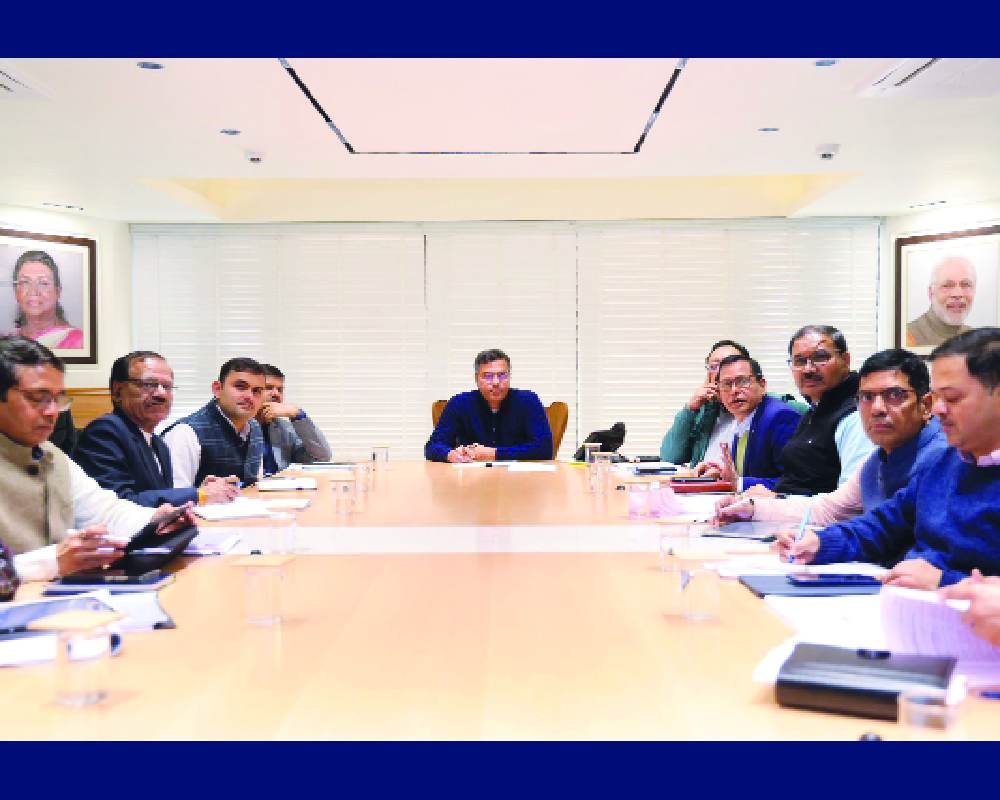
The Yamuna clean-up drive has moved into an execution phase, with the Delhi Government approving the deployment of 32 high-capacity mechanised cleaning machines to stop pollution at its source. These machines will directly clean the city’s drains. The machines are expected to be fully operational by March. The cleaning will begin from the Najafgarh drain, the biggest contributor of untreated waste to the river.
Officials said the focus is now on preventing sludge, silt and solid waste from entering the Yamuna by intensifying mechanised desilting and cleaning of major drains. The Najafgarh drain will be taken up first, followed by other large drains and selected stretches of the river in a phased manner.
Irrigation and Flood Control Minister Parvesh Sahib Singh Verma said the Government was shifting from announcements to ground-level action. “For years, Yamuna cleaning remained limited to files and press statements. This time, machines will be working on the ground. That is the difference,” he said.
According to the Government plan, a total of 32 specialised machines are being procured for the operation. These include eight long-boom amphibious excavators, six long-boom hydraulic excavators, two amphibious multi-purpose dredgers, six self-propelled and self-unloading hopper barges, three mini amphibious excavators, two weed harvester machines, two wheeled skid steer loaders, two crawler mini hydraulic excavators and one super sucker-cum-jetting machine.
Officials said these machines are designed to handle deep desilting, sludge extraction and weed removal in waterlogged and inaccessible stretches, areas that conventional equipment has failed to clean effectively in the past.
Amphibious machines will allow work even in marshy zones, while hopper barges will speed up the removal and transport of desilted material.
The first phase of deployment has already begun, with one amphibious multi-purpose dredger being shipped from Finland and expected to arrive in the last week of December. These machines, commonly used in river and wetland restoration projects abroad, are likely to become operational from January, enabling high-intensity cleaning ahead of the March deadline. Taking a swipe at previous governments, Verma said pollution in the Yamuna was the result of prolonged neglect and outdated systems. “We are breaking that cycle by using modern technology and enforcing strict monitoring,” he said, adding that accountability would be fixed at every level.
The Najafgarh drain, which carries a massive pollution load into the Yamuna, has been identified as the priority. Once operations stabilise there, machines will be redeployed to other critical drains feeding the river. “Our strategy is simple: clean the drains first, reduce the pollution load, and ensure visible improvement in the Yamuna,” the minister said.
Officials said the plan includes round-the-clock operations, faster lifting of sludge and scientific disposal of waste. Inter-departmental coordination mechanisms and daily progress monitoring systems have been put in place to ensure the drive continues as a mission-mode exercise, rather than a seasonal effort.
With machines, manpower and political backing now aligned, the Government signalled that the Yamuna clean-up would no longer rely on symbolic measures. The coming months, officials said, will be crucial in determining whether sustained mechanised action can finally reverse decades of pollution in Delhi’s lifeline river.