CM Rekha inaugurates Delhi Metro Museum
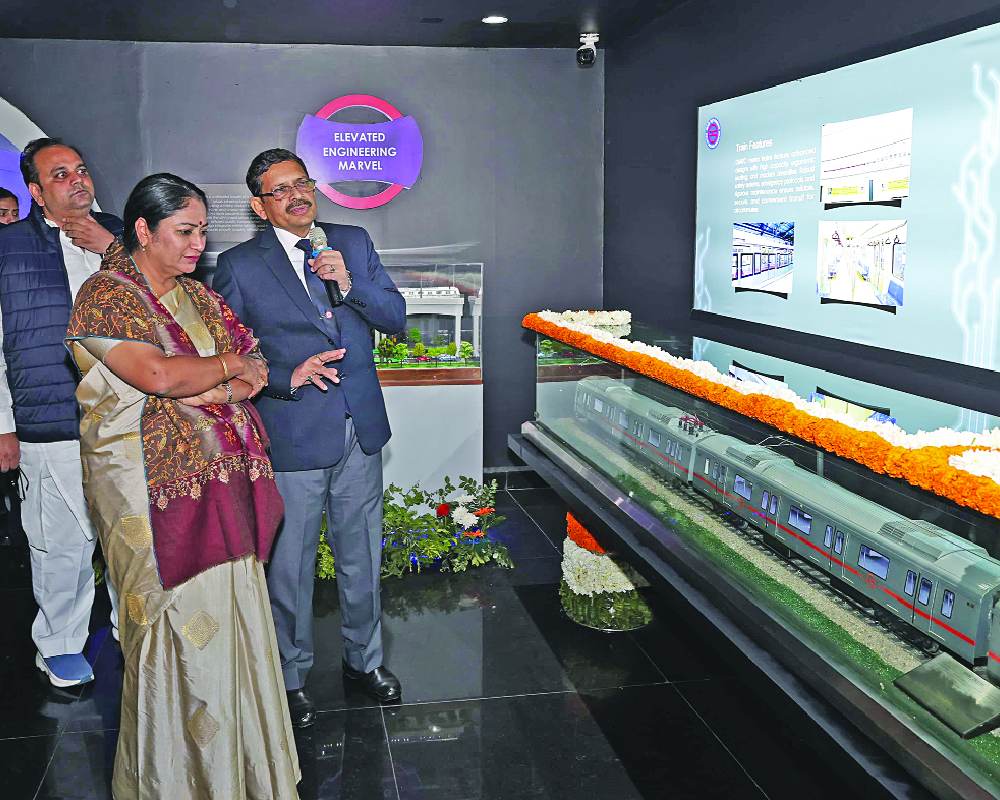
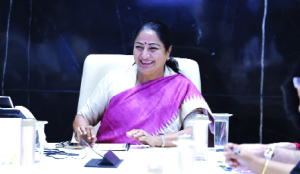
Chief Minister Rekha Gupta on Wednesday inaugurated the Delhi Metro Museum at the Supreme Court Metro Station. She said the Metro is a key driver of cleaner mobility and pollution control in the national Capital.
She said the rapid expansion of public transport has reduced dependence on private vehicles and reshaped daily life in Delhi.
Addressing the event, the Chief Minister said the Metro has emerged as the backbone of urban transport and a crucial tool against rising pollution.
“Cleaner public transport has eased pressure on roads and discouraged private vehicle use,” she said, urging residents to shift more trips to the Metro and buses.
The museum, spread over about 12,000 square feet, traces the 30-year journey of the Delhi Metro Rail Corporation (DMRC).
It opens to the public on December 19, with an entry fee of Rs 10, and will operate from Tuesday to Sunday from 10 am to 4 pm.
The Chief Minister recalled that when former Prime Minister Atal Bihari Vajpayee approved the Metro project, few expected it to succeed at this scale.
“Vajpayee’s vision transformed Delhi’s lifestyle,” she said, noting that the network now spans nearly 400 km with 289 stations and serves 3.5 to 3.7 million passengers daily. She said the scale-up has eased congestion, cut travel time, and delivered environmental gains.
The Metro, she added, has helped modernise the city and move it towards a cleaner, greener future. The museum, she said, is meant to inspire future generations in urban transport, engineering, and innovation.
Delhi Transport Minister Pankaj Kumar Singh said the Metro’s value is most evident when time matters.
“It has made fast, reliable commuting accessible,” he said, calling the system a symbol of modern infrastructure in “New India” and aligned with the vision of a Viksit Bharat.
DMRC Managing Director Vikas Kumar and senior officials were present at the inauguration. Officials said the museum has been designed on the lines of leading metro museums worldwide, with interactive exhibits and immersive learning.
In its first phase, the museum features more than 50 panels, models, kiosks, and digital displays. Visitors can experience a train-driving simulator, view working models of tunnel boring machines and launching girders, and explore a mock Metro tunnel.
A model of the Operations Control Centre explains how services are monitored and coordinated in real time.
A dedicated section honours “Metro Man” E. Sreedharan, highlighting the leadership behind the project’s early years.
The museum also includes quiz screens, selfie points, and a souvenir shop to make the visit engaging for families and students.
Officials said the museum aims to document how the Metro became the city’s lifeline while explaining the engineering and planning behind its expansion.
By showcasing construction methods and operational systems, it seeks to build public understanding of large infrastructure projects.
The Chief Minister said Delhi’s Metro model is an asset for a self-reliant city and a reference for other urban centres. She reiterated her appeal for greater use of public transport, saying cleaner choices by commuters are essential to sustain air quality gains and support long-term urban growth.