World on Edge as US Signals Iran Action
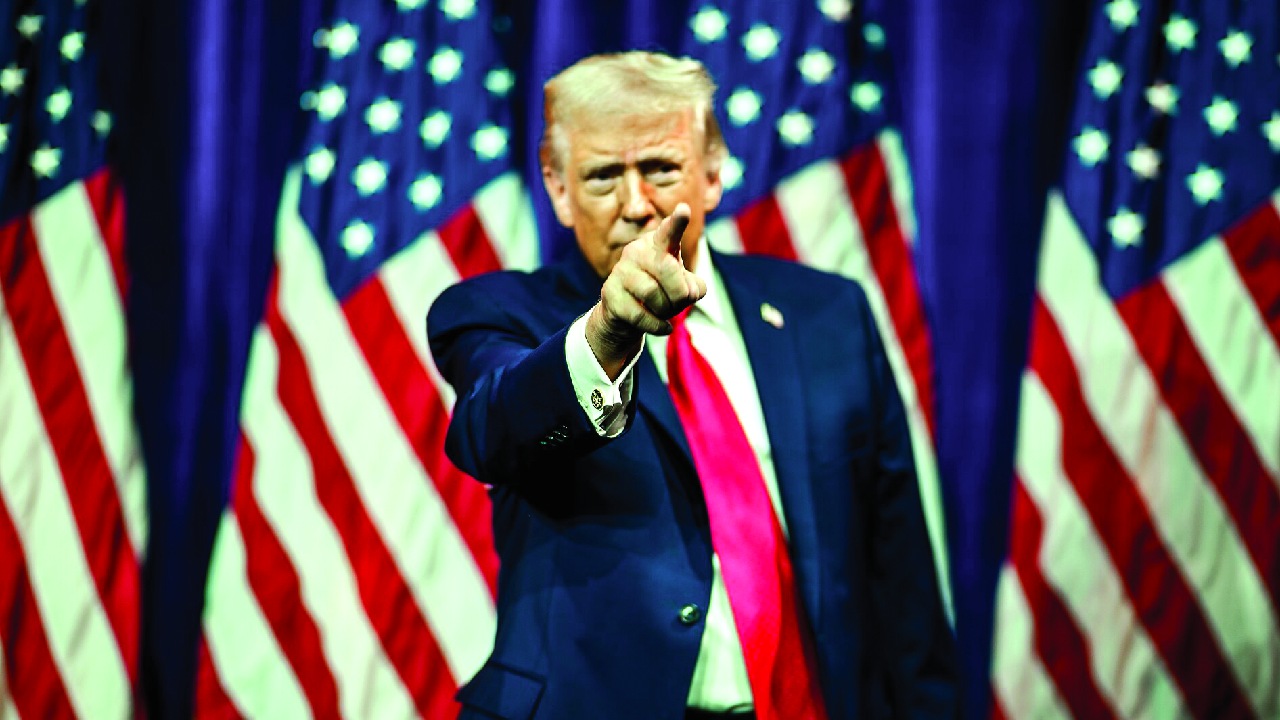
Iran is facing anti-government protests across the country, and the rhetoric from Washington has grown sharper, feeding speculation that the United States may be preparing for direct military action against the Islamic Republic. A series of statements attributed to US President Donald Trump on his social media platform, coupled with reports of heightened alert levels at American bases in the Gulf, has injected anew sense of urgency into an already volatile regional picture. Together, these developments have fuelled claims that the clerical establishment led by Supreme Leader Ayatollah Ali Khamenei could be facing its gravest challenge in decades.
The protests, which erupted over economic hardship, political repression and broader demands for personal freedoms, have spread to multiple cities and appear more sustained and confrontational than earlier waves of unrest. Demonstrators have openly targeted symbols of the state, chanting slogans that go beyond reform and call for an end to the existing order. Security forces, including the Islamic Revolutionary Guard Corps (IRGC), have responded with force, but reports suggest that the sheer scale and persistence of the protests have strained the regime's capacity to contain them without risking deeper fractures.
Against this backdrop, Trump's online messaging has attracted global attention. Posts suggesting that "help is coming" for the Iranian people have been widely interpreted by supporters and critics alike as a signal of possible US intervention. While Trump no longer holds office, his influence over a significant political constituency in the United States remains substantial, and his words often shape the tone of debate in Washington. For Tehran, such messages revive long-standing fears of American orchestration behind domestic unrest, a narrative the regime has frequently used to justify crackdowns.
Adding to the sense of impending escalation are reports that US military facilities in the region, particularly in Qatar, have been placed on high alert. The Al Udeid Air Base, the largest US military installation in the Middle East, plays a central role in American air operations and intelligence coordination. Any elevation in readiness is closely watched by regional capitals and by Iran itself. Military analysts note that such alerts do not automatically translate into an imminent strike, but they do indicate that contingency plans are being actively reviewed.
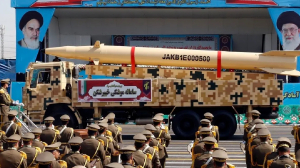
Strategically, Iran's "vital military establishments" encompass a wide array of targets, from IRGC command centres and missile bases to air defence systems and naval assets in the Persian Gulf. A limited US strike, were it to occur, would likely aim to degrade specific capabilities rather than pursue a full-scale campaign. However, even a narrowly focused operation would carry enormous risks, including Iranian retaliation against US forces, allies, or commercial shipping, and a rapid widening of the conflict. The claim that the Iranian regime could "tumble within the next 72 hours" reflects the heightened drama of the moment, but history urges caution. The Islamic Republic has repeatedly demonstrated resilience in the face of internal dissent, drawing on a combination of coercive power, ideological loyalty among core supporters, and a fragmented opposition. At the same time, observers acknowledge that the current unrest differs from previous episodes in its geographic spread, its social base, and the explicit rejection of the ruling clerical elite.
International reactions have been mixed. Some Western politicians and commentators have voiced solidarity with Iranian protesters and called for increased diplomatic and economic pressure on Tehran. Others have warned that overt military threats could backfire, allowing hardliners within Iran to rally nationalist sentiment and portray the protests as a foreign-backed conspiracy. Russia and China, both of which maintain strategic ties with Iran, have reiterated their opposition to external intervention and stressed the principle of sovereignty.
Within the United States, the prospect of another Middle Eastern conflict remains deeply contentious. War fatigue among the American public, combined with the complex legacy of past interventions, has made policymakers wary of open-ended commitments. Even so, advocates of a tougher line argue that Iran's internal instability presents a rare opportunity to weaken a long-standing adversary and reshape the regional balance of power. For ordinary Iranians, the immediate reality is far removed from geopolitical calculations. Internet disruptions, shortages of basic goods, and the constant presence of security forces have turned daily life into a struggle. Protesters appear motivated by a sense that they have little left to lose, while many fear that an external military strike would only compound their suffering.
As events unfold, the situation remains fluid and unpredictable. The convergence of mass protests, provocative political messaging, and heightened military readiness has created an atmosphere thick with possibility and peril. Whether this moment marks the beginning of a decisive turning point for Iran, or another chapter in its long history of confrontation with both internal dissent and external pressure, will depend on choices made in Tehran, Washington and the streets of Iranian cities in the days ahead.
(With inputs from The Pioneer Dubai Correspondent)