Words outlive silence
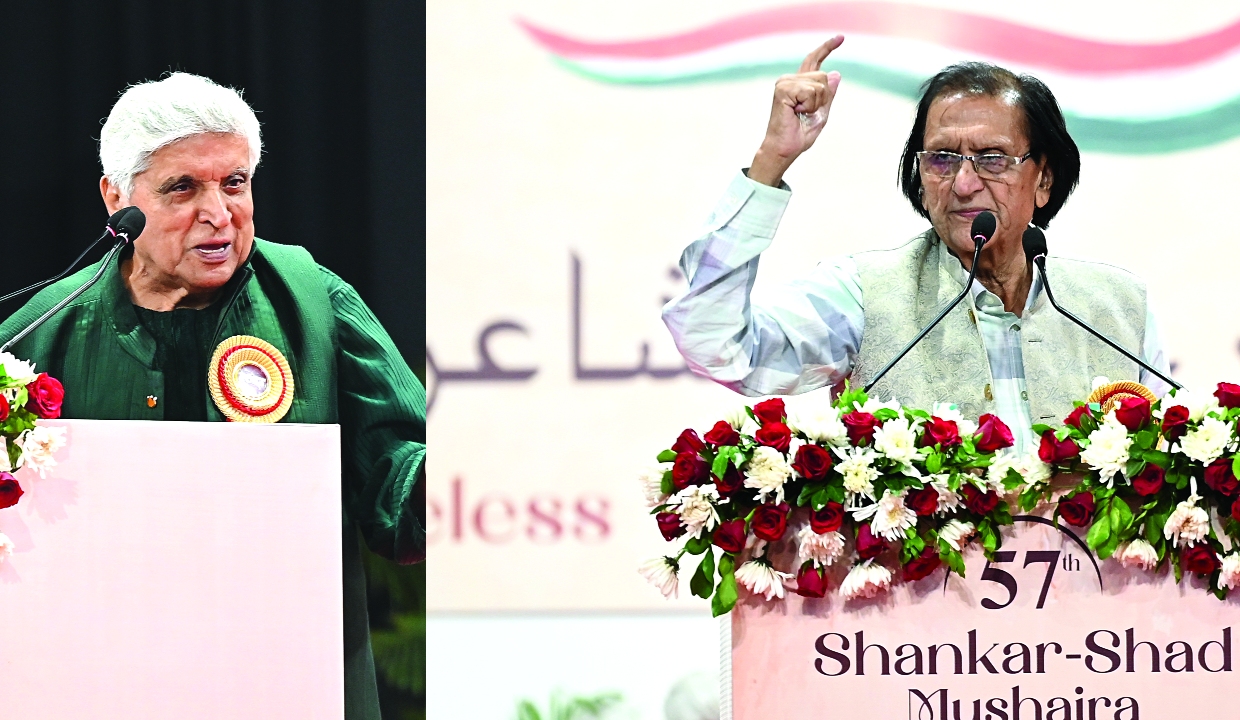
A city that outruns its own shadow sometimes needs a quiet corner to bleed on paper. The 57th Shankar Shad Mushaira swung its gates wide open and pulled in thousands of Delhi folks all bonded over their love for Urdu poetry, a sight that truly tugged at the heart. The Shankar Lall Murli Dhar Memorial Society teamed up with DCM Shriram Industries Ltd to bring together poets from Bareilly, Mumbai, Jodhpur, and Hyderabad, where heavyweights like Javed Akhtar and Waseem Barelvi shared the stage with rising stars Hina Haider Rizvi and Zubair Ali Tabish.
“A ghazal leaves the poet the very moment it is spoken,” Waseem Barelvi murmured into the microphone, capturing the heavy emotional moment of the night. “It then belongs to the person in the crowd who hears it and suddenly realises they are no longer alone in their grief.”
You could practically hear a pin drop as quiet tears were wiped away in the dark, the audience completely absorbed in that shared vulnerability. The evening’s truest success was how it broke down the walls of literary elitism. It built a vital path for those unseen poets who usually keep their rawest, most vulnerable verses hidden away in private notebooks. The massive response to the open contest, which brought in over two thousand entries, showed a deep and quiet need for people to finally share their voices. It served as a powerful reminder that complex emotional observations carry absolutely no birth date. Seeing everyday dreamers embraced so warmly by the establishment felt like a necessary democratisation of poetry.
This shifting dynamic was perfectly anchored by Javed Akhtar, who looked out across the sea of faces and delivered a remarkably raw plea: “Write because the truth burns inside you.”
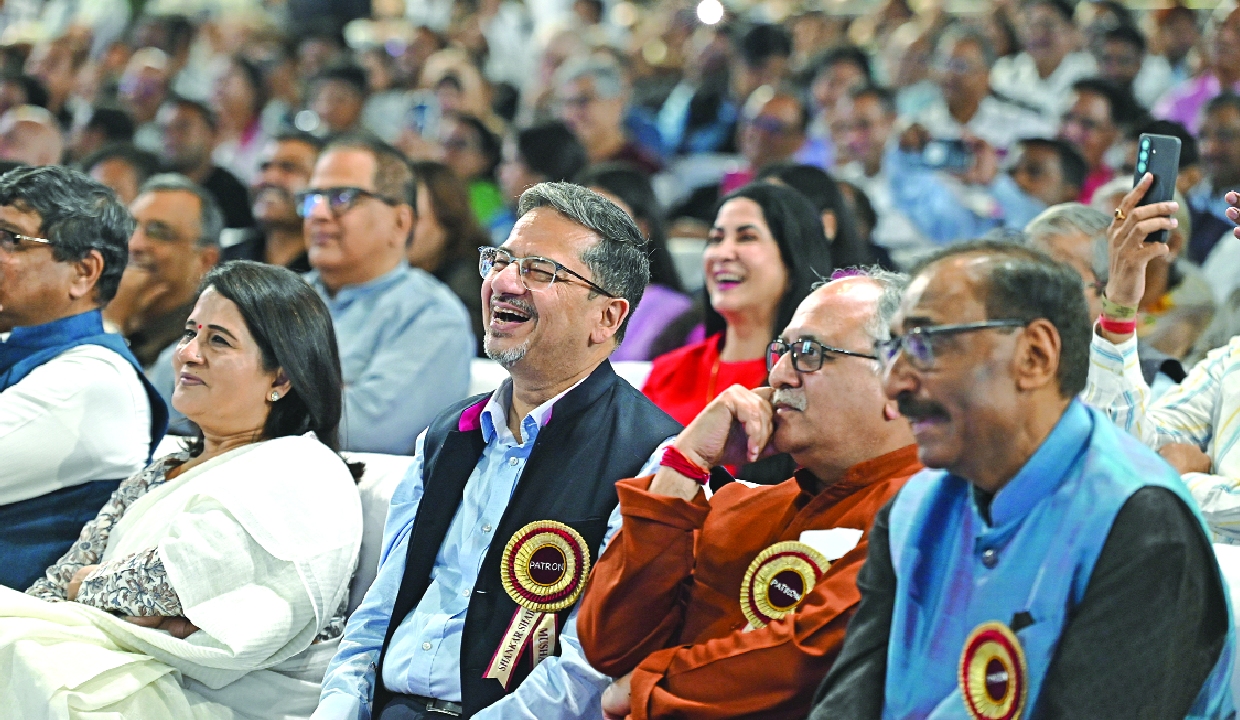
The youth were certainly listening. Gen Z flocked to the venue in massive numbers, finding a safe haven to process modern anxieties through centuries-old verse. Grandparents leaned in to translate complex Urdu phrases for their grandchildren, bridging generations. Madhav Bansidhar Shriram observed how desperately our tired minds need these gatherings today. Long after the lamps were put out, Delhi went home holding onto a quiet, human connection, proving that a well-written nazm holds the absolute power to stop time.
Can poetry make a restless city like Delhi heal hearts and quietly bridge generations?