Why Tarique Rahman chose Malaysia, China before India
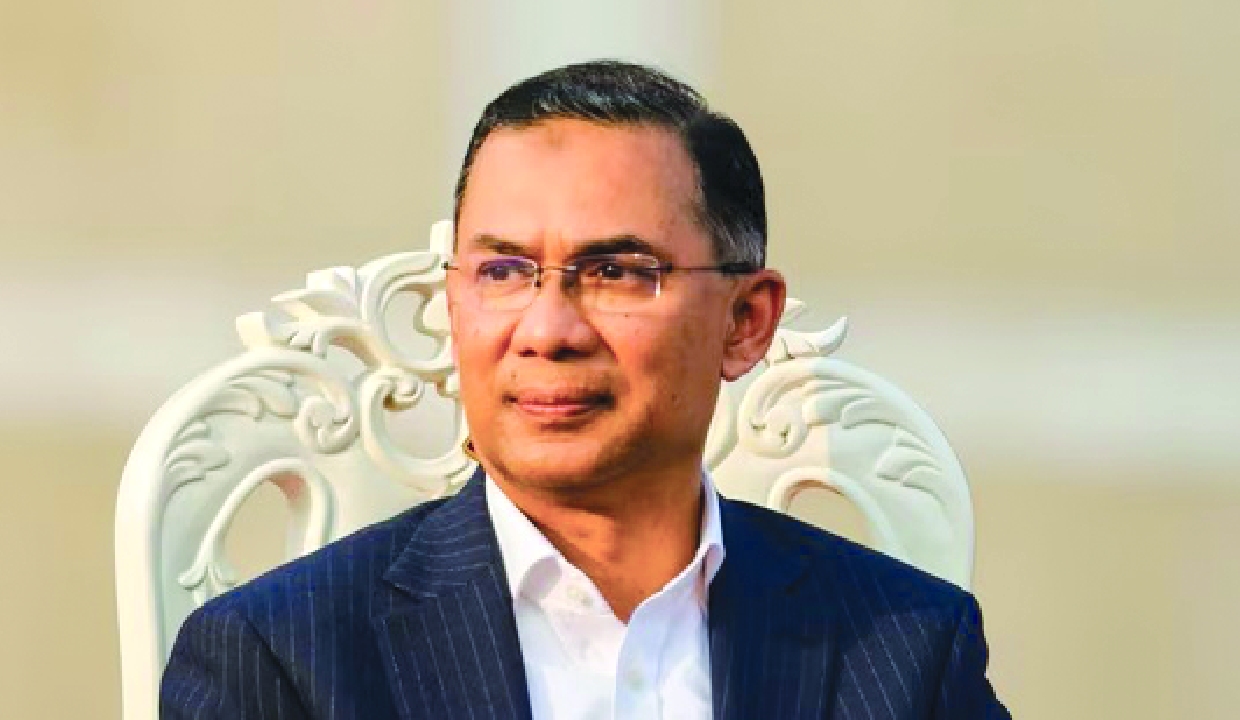
Prime Minister Tarique Rahman’s decision to make Malaysia and China the destinations of his first overseas visits since assuming office has attracted considerable attention across South Asia. While Dhaka insists that the move is guided solely by national interests and its “Bangladesh First” policy, the sequencing of these visits carries both economic and geopolitical significance.
Prime Minister Tarique Rahman is currently in Malaysia and is scheduled to meet Premier Li on June 25 and President Xi Jinping on June 26. The official explanation from Dhaka is straightforward: Malaysia and China currently offer immediate economic opportunities that align with Bangladesh’s development priorities.
In Malaysia, the focus is expected to be on expanding labor market access, attracting investment, advancing free trade negotiations, and strengthening cooperation in sectors such as energy, semiconductors, agriculture, and the halal economy. Bangladesh is also using the visit to reinforce its bid for ASEAN engagement and eventual participation in the Regional Comprehensive Economic Partnership (RCEP), the world’s largest trade bloc.
China, meanwhile, remains one of Bangladesh’s most important economic partners. The planned signing of 15-17 bilateral instruments, discussions on infrastructure projects, investment promotion, and potential financial support underline the economic weight of the relationship. Dhaka also sees Beijing as a key source of technology, industrial investment, and development financing.
From this perspective, the choice of Malaysia and China appears driven by economic pragmatism rather than diplomatic symbolism.
Nevertheless, the absence of India from Prime Minister Tarique Rahman’s first foreign tour is politically significant.
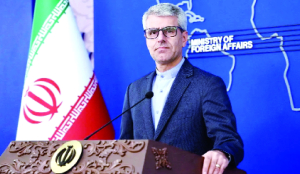
Foreign Affairs Adviser Humaiun Kobir acknowledged as much when he stated that a visit to India would take place “when the temperature comes down and a conducive atmosphere is in place.” The comment suggests that while Dhaka remains open to engagement with New Delhi, certain political or diplomatic sensitivities currently need to be managed.
This is notable because Indian Prime Minister Narendra Modi had extended an invitation to Tarique Rahman earlier this year, emphasizing cooperation in trade, connectivity, technology, energy, healthcare, education, and regional security.
Historically, India has occupied a central place in Bangladesh’s foreign policy due to geographic proximity, economic interdependence, shared cultural links, and security cooperation. Any delay in a high-level visit inevitably invites speculation about the state of bilateral relations. However, Bangladeshi officials have been careful to stress that India is not being sidelined. Instead, they argue that Bangladesh’s foreign policy is no longer centered on any single partner but on diversified relationships that maximise national interests.
A recurring theme in government statements is the concept of “Bangladesh First.” Officials argue that foreign policy decisions should be based on economic benefits and strategic interests rather than external expectations.
The current diplomatic outreach reflects a broader effort to diversify Bangladesh’s international partnerships. Relations with China, ASEAN countries, Middle Eastern states, Japan, the United States, and the United Kingdom are all being pursued simultaneously.
Recent meetings between Bangladesh’s foreign minister and ambassadors from the United States, Japan, and the United Kingdom reinforce the message that Dhaka seeks balanced engagement with all major partners. In this context, visiting Malaysia and China first can be interpreted as an attempt to demonstrate foreign policy autonomy rather than a rejection of India.
The timing of the China visit is particularly noteworthy. South Asia has increasingly become a theater of strategic competition between China and India. Any major diplomatic engagement by Bangladesh with Beijing is therefore closely watched in New Delhi.
Yet Bangladesh has traditionally sought to avoid choosing sides. Successive governments have attempted to maintain strong relations with both China and India, benefiting from Chinese investment while preserving deep economic and security ties with India.
The challenge for Tarique Rahman’s government will be maintaining this balance while expanding economic cooperation with China and Southeast Asia.
The key takeaway from Prime Minister Tarique Rahman’s first foreign tour is that Bangladesh appears to be prioritizing economic diplomacy and strategic diversification. Malaysia offers opportunities in trade, labor, and ASEAN integration, while China provides investment, infrastructure cooperation, and broader economic engagement.
India remains an indispensable partner for Bangladesh, and Dhaka has made clear that an Indian visit remains on the agenda when conditions become more favorable. Rather than signalling a departure from India, the current sequence of visits may reflect Bangladesh’s effort to project an independent foreign policy that places national economic interests at the centre.
Whether this approach strengthens Bangladesh’s strategic autonomy or creates new diplomatic challenges will depend on how successfully Dhaka manages its relationships with all major partners in the months ahead.