Why RC transfer delays are an ecosystem problem
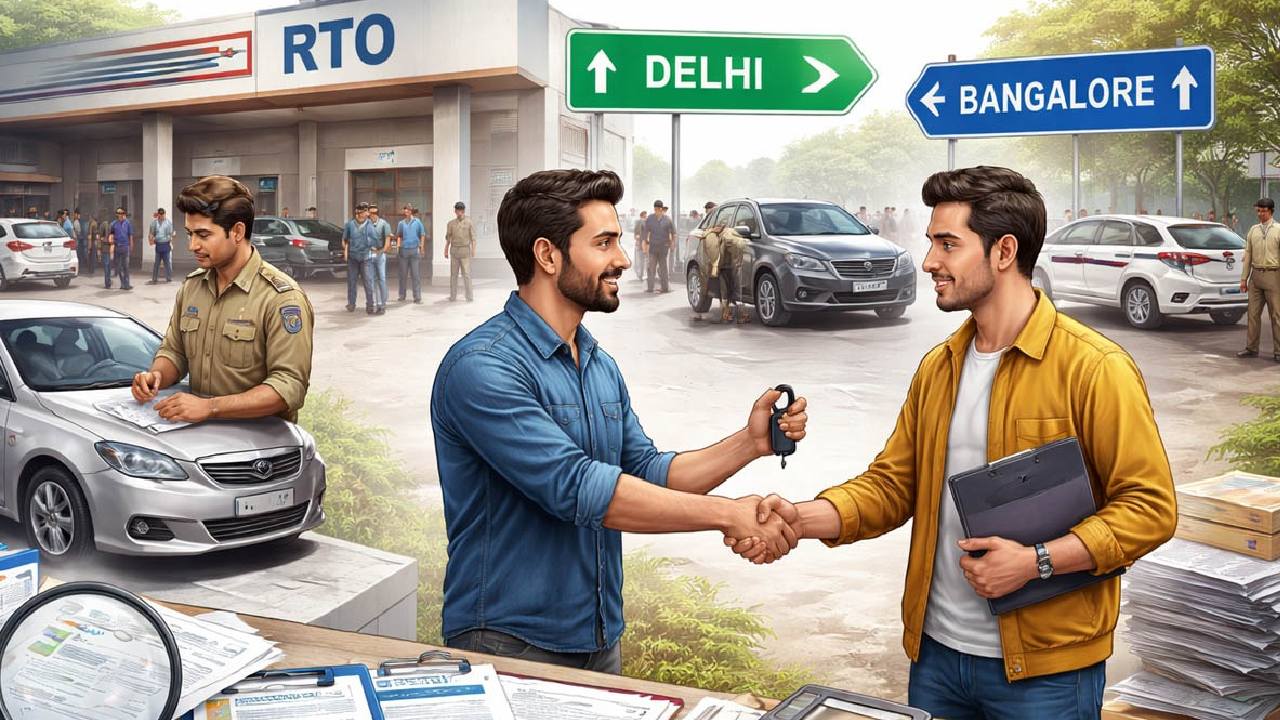
Selling a vehicle involves two distinct steps. The first is the physical transaction, where the keys are handed over, and payment is received. The second, and more complex step, is the legal transfer of the Registration Certificate (RC). While the first part can happen in minutes, the second part is governed by the Regional Transport Office (RTO) and can take weeks or even months. This delay is often misunderstood as a failure of the intermediaries involved, but it is actually a result of systemic complexities within the Indian transport ecosystem.
What the Seller Controls: The Foundation of the File
A smooth transfer begins with the seller. The RTO requires a precise set of documents to initiate a change in ownership. If these documents are incomplete or inaccurate, the process stops before it even begins. Sellers are responsible for providing the original RC, valid insurance, and a current Pollution Under Control (PUC) certificate.
One of the most frequent causes of delay is a signature mismatch. RTO officials compare the signatures on Form 29 and Form 30 with the original signature stored in their database from when the car was first registered. If the signatures do not match perfectly, which is common if years have passed, the application is rejected. Additionally, as of 2026, the Vahan portal requires all pending traffic challans and FASTag dues to be cleared. A seller who leaves even one unpaid fine can inadvertently stall the entire transfer process for weeks.
The Administrative Workflow: Why Timing Varies
Even when every document is perfect, the timeline is determined by the RTO's internal workflow. India has a tiered digital system. Some RTOs operate under a faceless model, where applications are processed digitally without the need for physical visits. These offices are generally faster. However, many RTOs still require manual verification. This might include a physical inspection of the vehicle's chassis number, where a pencil print of the number is taken on paper and attached to the file.
Furthermore, RTOs are state-governed bodies. This means the rules in Maharashtra differ from those in Karnataka or Tamil Nadu. Internal factors such as high application volumes, server downtimes on the national Vahan portal, or the time required to pull physical records for older vehicles create delays that no external party can bypass. These are administrative realities that exist regardless of how well-organised the initial filing was.
Intra-State vs. Inter-State Nuances
A common misconception is that moving a car within the same state is always fast. If a vehicle moves from one RTO to another within the same state, for example, from Gurugram to Panchkula, the process involves a Clearance Certificate (CC). The original RTO must verify that there are no liabilities or criminal records associated with the vehicle before the new RTO accepts the transfer. This inter-district coordination can take significantly longer than a transfer within the same city.
The complexity increases exponentially with interstate transfers. Selling a car registered in Delhi to a buyer in Bangalore requires a No Objection Certificate (NOC) from the source state. This NOC is a legal clearance stating the vehicle is free to be registered elsewhere. Once the NOC is issued, the vehicle must be re-registered in the destination state. This involves a new inspection, the issuance of a new registration number, and a fresh entry into a different state’s database.
The Road Tax and Refund Barrier
The most significant hurdle in inter-state transfers is the management of road tax. In India, road tax is usually paid as a lifetime fee (typically for 15 years) to the state where the vehicle is first registered. When that vehicle moves to a new state, the law requires the owner to pay the road tax again in the new state.
While there is a provision to claim a pro-rata refund from the original state, the process is notoriously difficult:
- Double Taxation: The owner must first pay the full tax in the new state before applying for a refund from the old one.
- Manual Processing: Most RTOs do not have an online system for tax refunds. The original owner must physically submit Form 16, the new registration copy, and the original tax receipt to the original RTO.
- Timeline: It can take several months, or even years, for the refund to be processed and a cheque to be issued.
Furthermore, some states have moved away from a lifetime tax for certain categories, requiring tax to be paid every few years. Keeping track of these varying tax cycles adds another layer of paperwork that can lead to significant RC transfer delays if the records are not updated correctly.
Why the Delay Matters: The Liability Gap
For the seller, an RC transfer delay is a legal risk. Under the Motor Vehicles Act and the Bharatiya Nyaya Sanhita (BNS), the person listed on the RC is the legal owner of the vehicle.
|
Risk Factor |
Impact on Registered Owner |
|---|---|
|
Traffic Fines |
Automated camera challans are sent to the seller’s phone and address. |
|
Accident Liability |
In case of a hit-and-run or accident, the registered owner is held responsible for compensation. |
|
Criminal Misuse |
If the vehicle is used in a crime, the registered owner is the first person the police will investigate. |
The gap between handing over the car and the final name change on the RC is a period of risk for the seller. While a delivery note or a sale agreement provides some evidence of a sale, the RTO record is the only definitive proof of ownership in the eyes of the law.
Summary of the Ecosystem Problem
RC transfer delays are a result of a fragmented system where digital goals often clash with manual administrative requirements. Sellers can minimise delays by ensuring documentation is flawless and that dues are cleared, but they cannot control the speed of government verification or the complexities of inter-state taxation. Recognising that these delays are structural, born from the need for high-level security and verification, is essential for anyone participating in the used car market today.