Why Holi Feels Like Home with Khoya
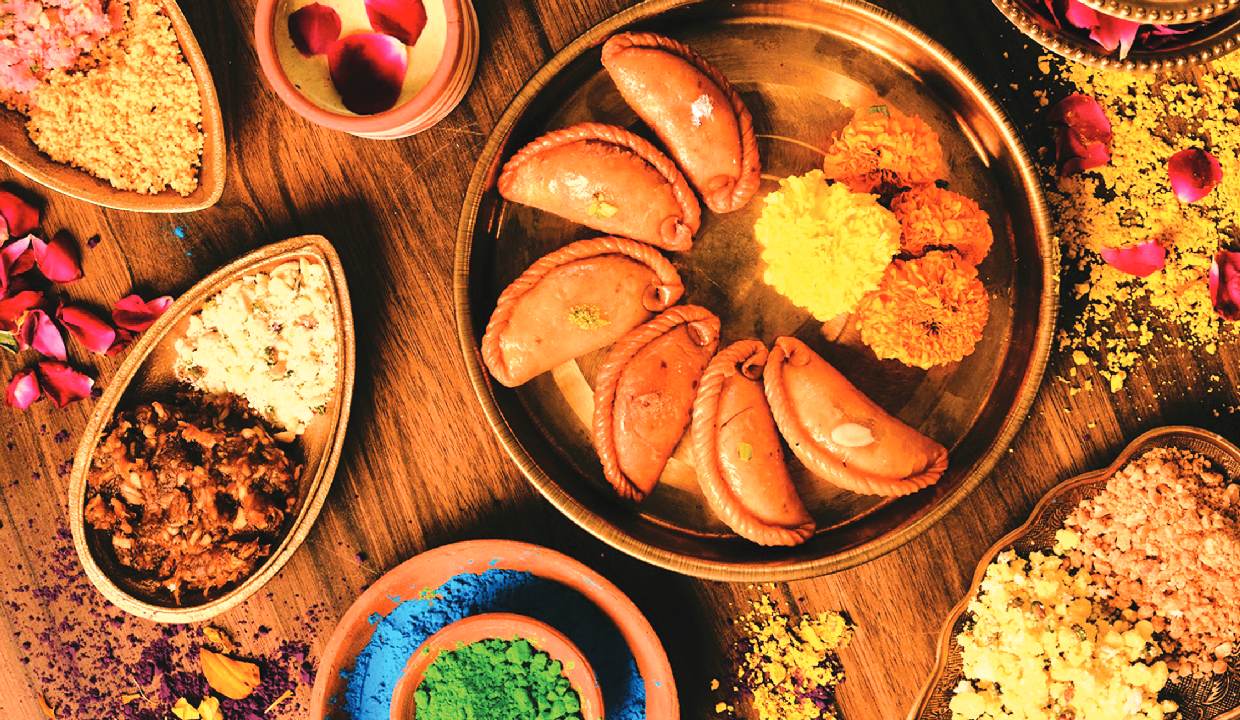
Holi is nothing without sweets, and in Indian culture, a sweet is a simple gesture of love. For us, a box of mithai is the primary language of our blessings for every festival. This deep bond is found in our culinary history, where recipes were once treated like royal secrets in ancient kitchens. These treats represent a craft that links our heritage to the way we celebrate today. Holi is essentially defined by these traditional sweets, which serve to bring people together through the collective experience of the festival. Sid Mathur, the founder of Khoya Mithai, noticed that traditional sweets were losing their soul to mass production. He spent years researching old food texts to find the original spirit of these recipes. He believes that a sweet is a gesture of love and should be treated with the highest respect. By using organic ingredients and traditional methods, he has redefined the meaning of a festive gift.
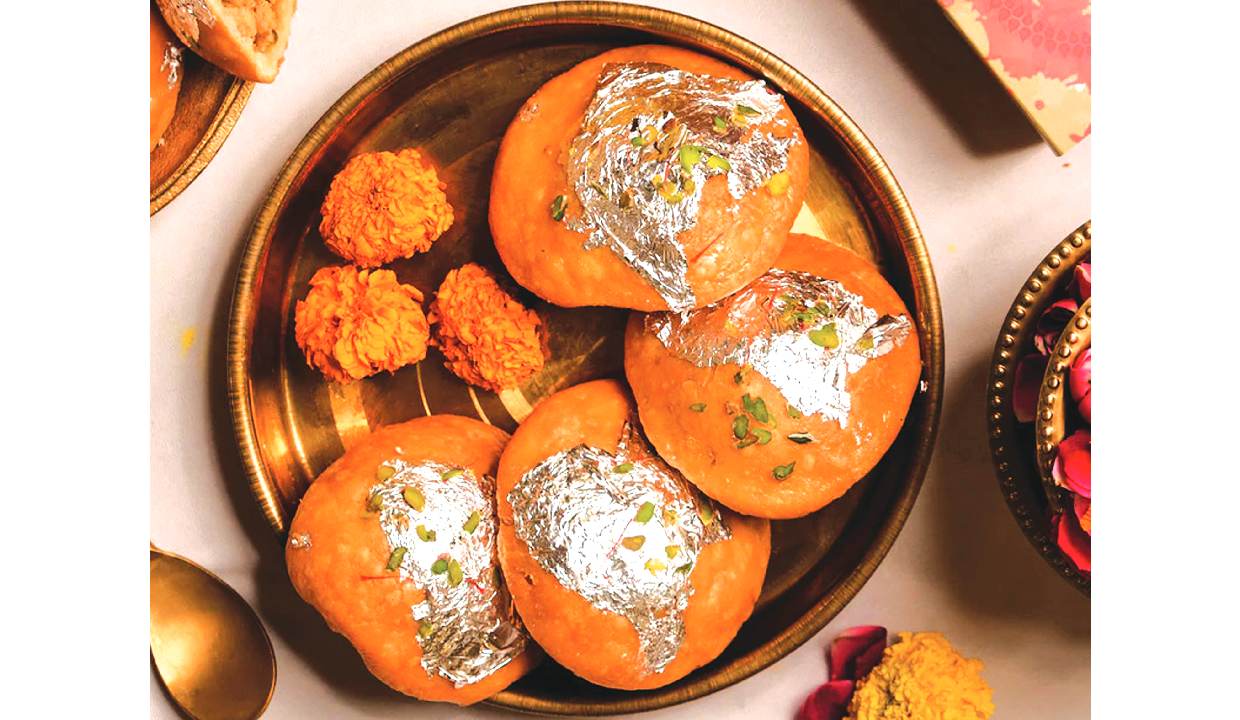
As the clouds of pink and yellow gulal rise, the kitchen becomes the true centre of the world. The star of the season is the gujiya, which comes with a surprise this year. The Motichoor Gujiya is a marvel. It is filled with tiny pearls that release a burst of ghee the moment you bite through the crust. Then there is the Apple Cinnamon Gujiya. The classic version remains a favourite. Its brittle, golden shell shatters to reveal a heart of velvet khoya. Moving past the gujiyas, the rest of the sweets act as a map of our culinary heritage.
You will spot the delicate Rose Peda sitting right next to the nutty Mewa Vatti. Then there is the Milkcake, offering deep, caramelised notes that melt slowly. Every single piece feels like a quiet nod to traditional craft. The absolute classics, like Kesar Motichoor Ladoo, aromatic Mathura Peda, and Rose Coconut Barfi, are included. Then a modern Chocolate Barfi shows up right next to a rich Mysore Pak and soft Khoya Malai Ladoo. There is a Date and Nut Barfi tucked in there too. The rest of the plate sticks to familiar favourites like Mohanthal, Pista Barfi, Walnut Peda, and a colourful Sangam Barfi to round out the whole spread.
The freshness of the khoya anchors every recipe. It makes the care put into the cooking obvious from the very first bite. If you are skipping sugar this year, the spread is still massive. The Pink Coconut Ladoo, Bikaneri Barfi, Roasted Besan Ladoo, and Kesar Barfi mean no one has to sit out. This pure ingredient gives the treats a melting quality that stays on your tongue. Every piece is prepared with the sweetest care to ensure that your celebration feels like a warm embrace.
Holi is always a loud, messy blur. But right in the middle of the noise, a simple box of mithai brings everyone back to the table. It ties years of old memories right into the present. Let the gulal get stuck in your hair and completely ruin your best white clothes. Some traditions actually need to be tasted instead of watched from the sidelines. Open up a box, share a story, and let the first real celebration of the year begin.
Find the Khoya bond this Holi. Taste pure nostalgia, recall loud family laughter, ruin white clothes, and share absolute love
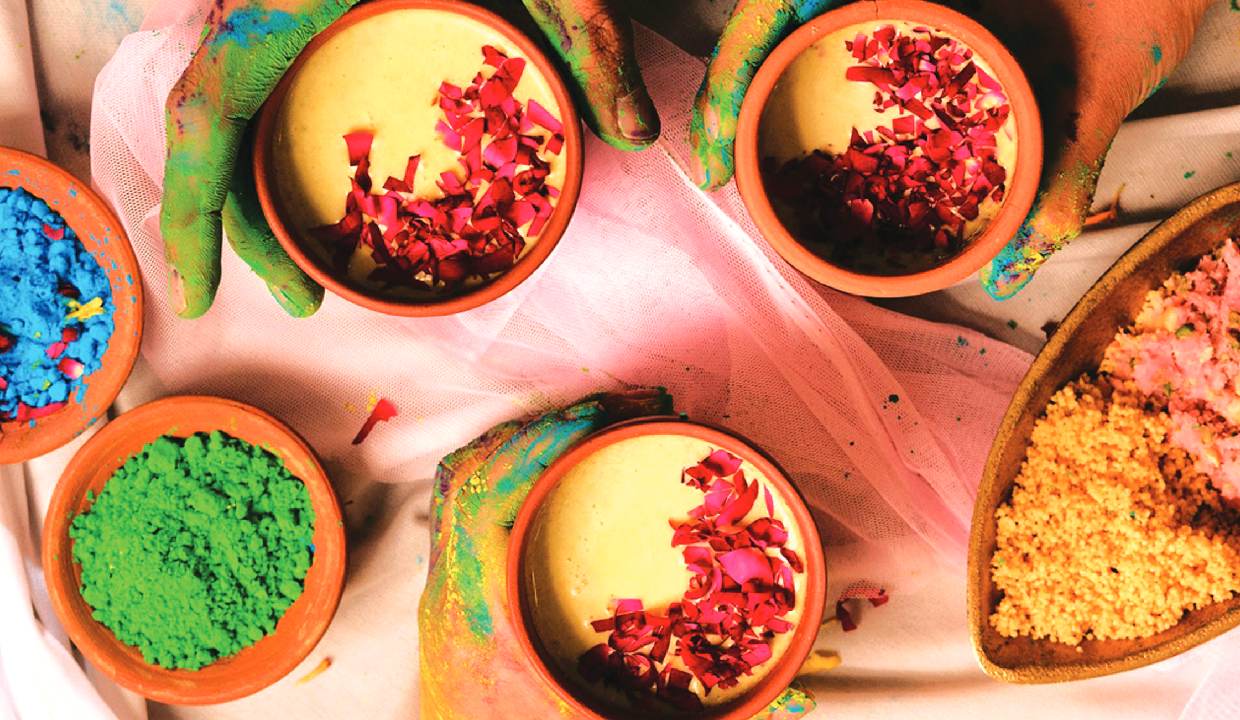
In the middle of this festive chaos, the kitchen remains a place of quiet, focused artistry. To find the soul of a recipe, one must look back at the original spirit of the craft
Balancing the Plate
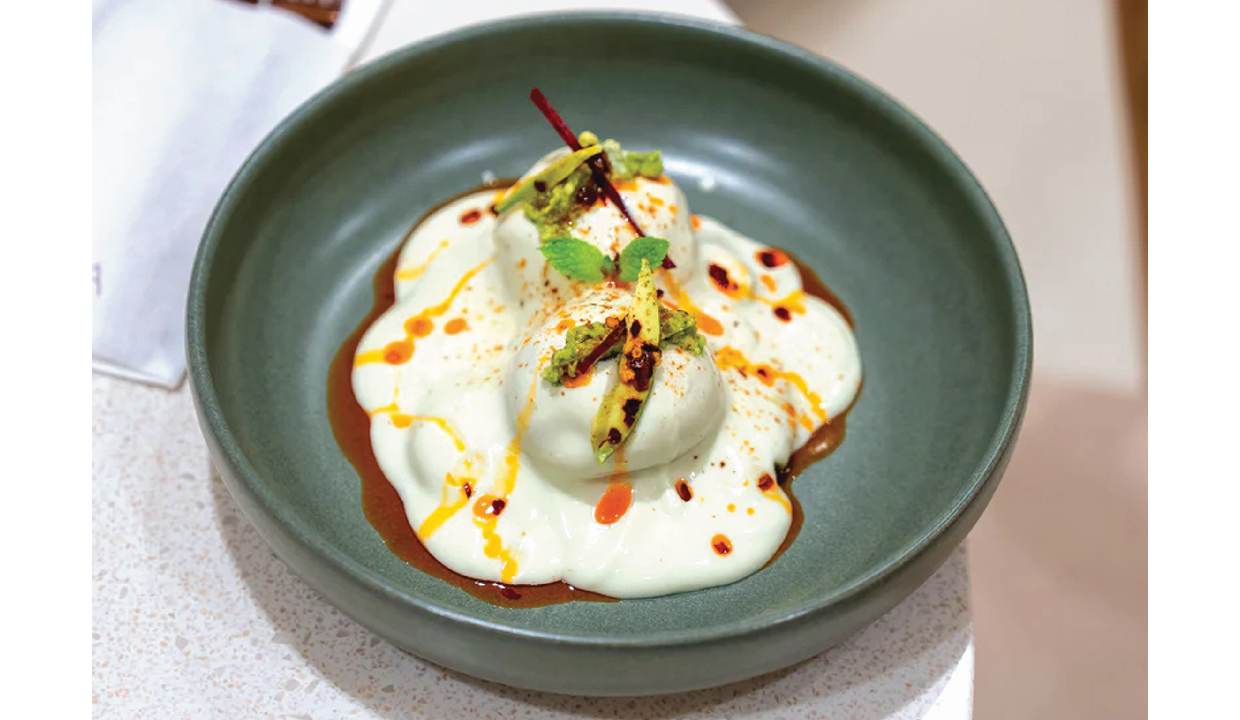
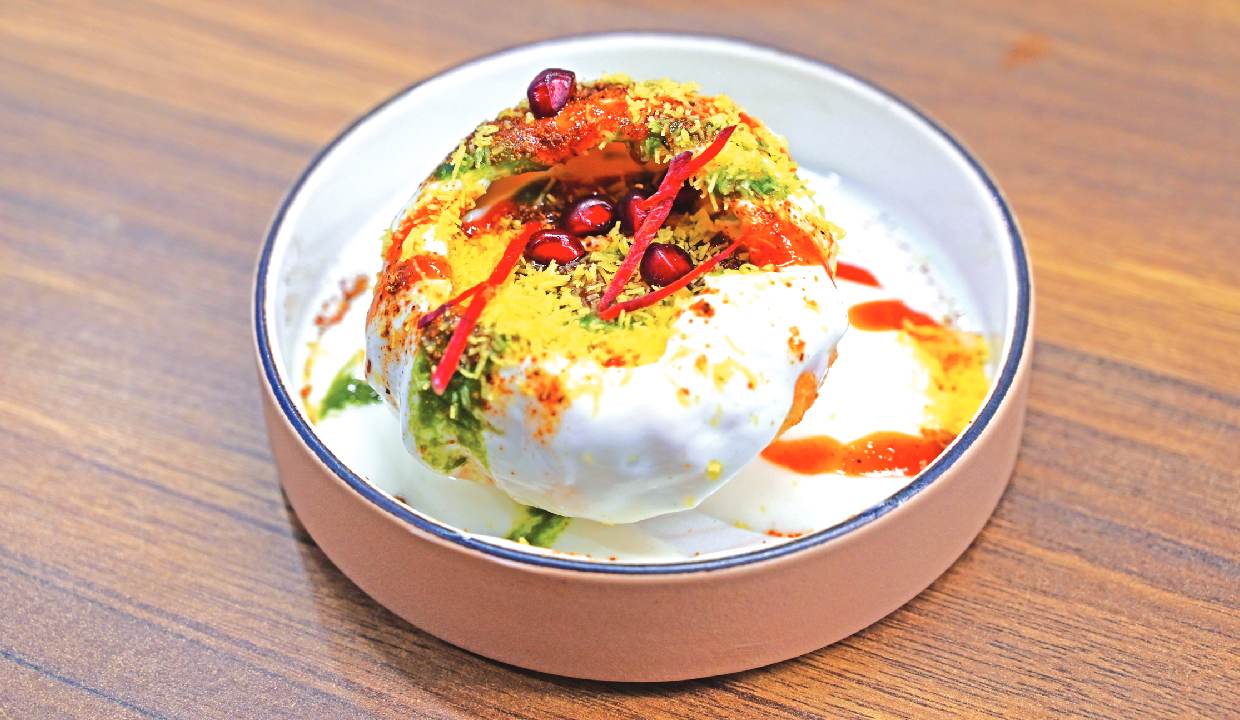
A sharp contrast of salt and spice is exactly what you need to balance out the sugar. The classic Raj Kachori is an absolute beauty. Its crisp shell holds a world of tang and crunch. We have all eaten regular Dahi Bhalla. But have you ever tried the Avocado Dahi Bhalla? The vibrant green colour and silky texture are a total revelation. It offers a cool break from the sun and leaves a modern, buttery finish on the tongue. If you crave heat, the spicy Pav Bhaji is the answer. It comes dripping with melting butter and delivers a massive punch of flavour. And we absolutely cannot forget the real blast of flavours from a tall glass of classic Thandai.