What to know about rules behind FIFA WC’s most contentious calls
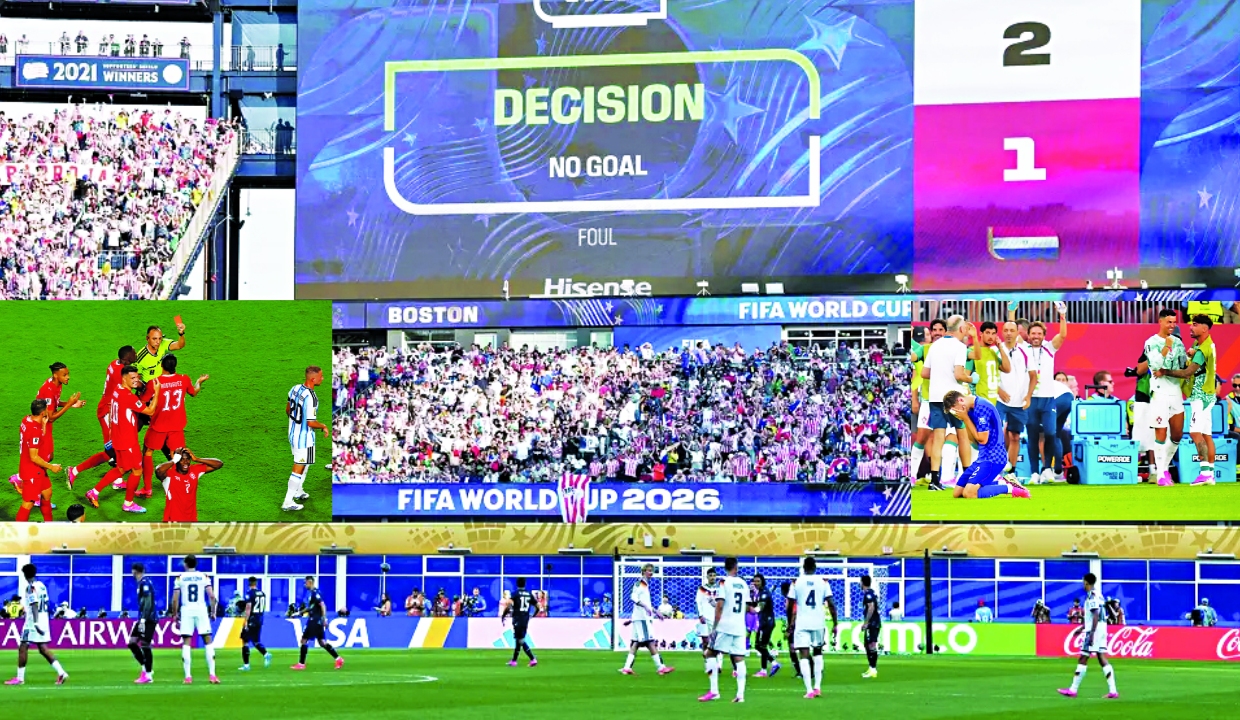
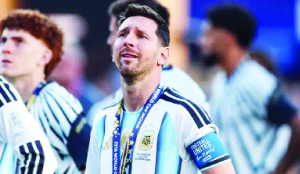
It was another game-changing moment at the World Cup that had more to do with television replays in a room far away than a moment of brilliance on the field. The sending off of Switzerland’s Breel Embolo in Saturday’s quarterfinal game against Argentina was the latest call that may have left fans scratching their heads, not least because of the confusing name of the newly implemented law that swung the match.
It is called the “mistaken identity” rule. Yet, technically, Embolo was not shown a second yellow card - resulting in a red - for a case of mistaken identity. It was because the referee Joao Pinheiro did not see in real time that the forward had simulated a foul under a challenge from Argentina’s Leandro Paredes.
Paredes was initially shown a yellow card, which is a key factor. Under FIFA rules, because Paredes was shown a card, the video assistant referee (VAR) can intervene and recommend that the on-field official review the sideline monitor. After review, the referee deemed Embolo to have committed a “clear simulation” and showed him a second yellow card and sent him off.
The rules state that the VAR can assist when the referee penalises the “wrong team for an offence that results in a red or yellow card being shown to the wrong player.” It was a pivotal point in the match, coming five minutes after Switzerland had made it 1-1. Argentina won 3-1 after extra time. “The referee made the wrong decision,” Switzerland coach Murat Yakin said. “I know they will protect their referee, but this rule destroyed our game today, and it’s very painful, and to be eliminated in that way hurts a lot.” It is not the first time at this World Cup that teams have hit out against new rules or technology.
Germany infuriated by disallowed goal: Newly tightened regulations contributed to Germany’s shock elimination in the round of 32.
Defender Jonathan Tah’s potentially game-winning goal in extra time against Paraguay was ruled out after VAR review for a foul on goalkeeper Orlando Gill.
Replays showed Germany’s Waldemar Anton push Gill to the ground, but the minimal contact led to criticism of the decision. FIFA’s referees chief Pierluigi Collina said officials had been told to punish incidents when players try to block opponents and make no attempt to play the ball, especially where goalkeepers are concerned. Germany went on to lose the game in a penalty shootout, with Tah firing a decisive spot kick over the bar.
High-tech ball costs Croatia: The words “connected ball technology” will likely haunt Luka Modric and Croatia for years to come.
The high-tech soccer ball fitted with “advanced sensors” used at this World Cup cost Croatia a dramatic late equaliser against Portugal in the round of 32.
Egypt heartbroken against Argentina: It was shaping up to be one of the great World Cup upsets. Egypt led 2-0 against defending champion Argentina in the round of 16 and might have been 3-0 up if not for VAR.