West Asia crisis pushes up ATF costs, Govt considers price stabilisation fund
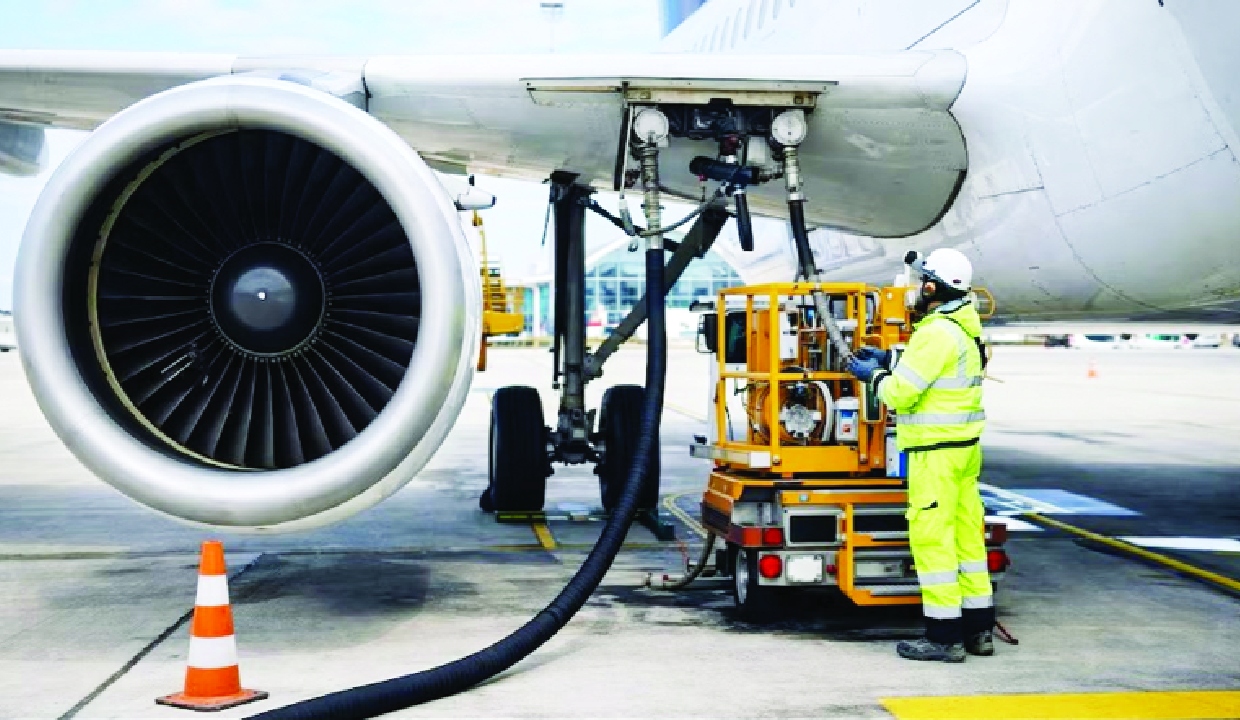
The Government is examining the possibility of bringing back a price stabilisation mechanism for Aviation Turbine Fuel (ATF) as rising jet fuel prices put increasing pressure on airlines.
Civil Aviation Minister K Rammohan Naidu said the Government is discussing with airlines and oil marketing companies (OMCs) the impact of higher ATF prices, particularly amid continuing geopolitical tensions in West Asia.
Speaking on the sidelines of a conference in New Delhi on Tuesday, Naidu said the surge in fuel prices linked to the West Asia situation has become a significant concern for the aviation sector.
ATF is one of the largest components of airline operating costs, accounting for roughly 40 per cent of total expenses. A sustained increase in fuel prices can therefore put considerable pressure on airline finances and ticket prices.
A senior Government official said authorities are considering whether to revive an ATF price stabilisation fund. Details of the proposal, including its structure and funding mechanism, were not immediately available.
The Government had earlier introduced a one-time support mechanism for the sector. In June, the Union Cabinet approved budgetary assistance of up to `10,000 crore for OMCs to help stabilise ATF prices and relieve domestic airlines. However, airlines showed little interest in using the facility, and the scheme has since lapsed.
The issue has gained renewed attention after InterGlobe Aviation (IndiGo) decided to increase fuel surcharges on domestic and international flights. The airline attributed the move to elevated and volatile ATF prices amid geopolitical developments in the West East.
IndiGo said the latest month-on-month increase in fuel prices had exceeded 14 per cent, pushing ATF costs to levels among the highest recorded over the past decade.
Airlines have also called for changes to the way jet fuel is priced in India. Last month, the Federation of Indian Airlines (FIA), which represents Air India, IndiGo and SpiceJet, urged the Civil Aviation Ministry to reconsider the existing pricing formula.
The industry body has argued that domestic ATF should be priced based on the actual cost of fuel, along with a reasonable margin, rather than being linked primarily to international benchmark prices.
According to the FIA, higher fuel expenses, combined with geopolitical disruptions and a weaker rupee, are putting substantial pressure on airline cash flows and the financial viability of carriers.
With fuel costs remaining volatile, the Government’s discussions with airlines and OMCs could determine whether it introduces a revised stabilisation mechanism and how it structures any future support.