Why design thinking is the career skill of the future
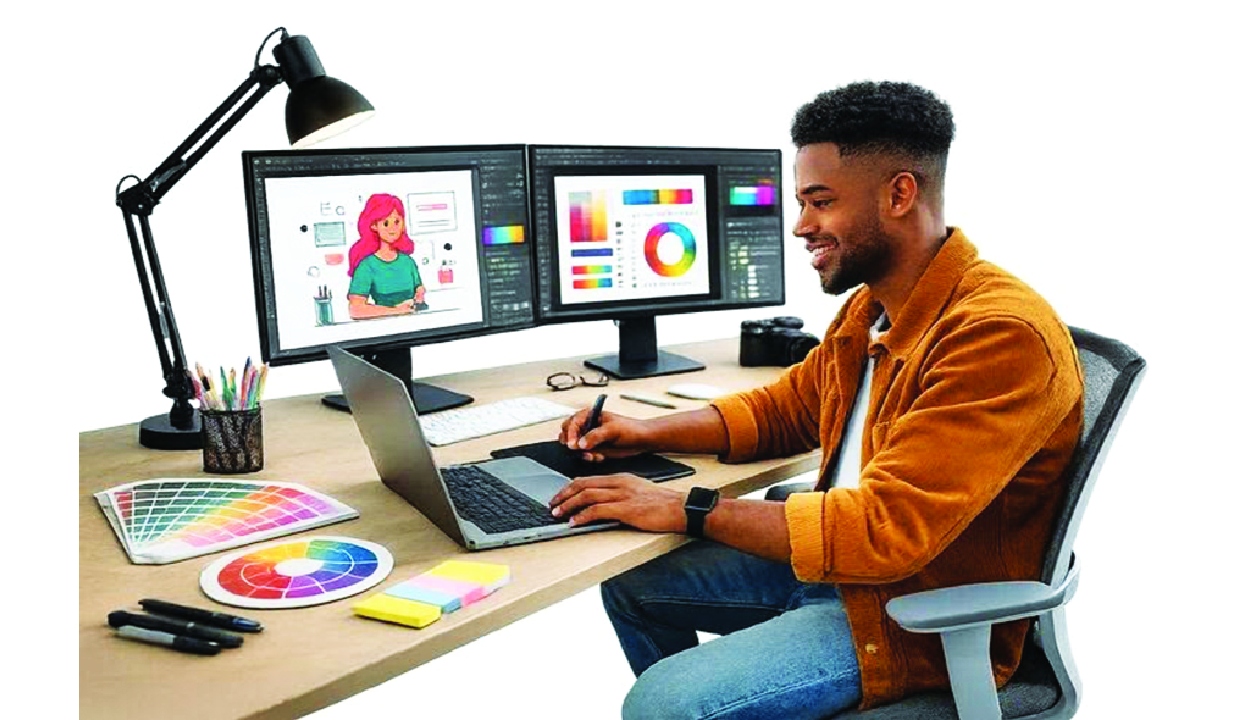
Design thinking helps students build adaptable skills for creative, evolving careers in a technology-driven world
Ask a Class 12 student what a designer does, and you will probably hear “sketches, fabrics, software”. Ask an employer, and the answer changes: someone who understands people, finds the real problem and builds something that works. Design thinking sits in the gap between those two answers.
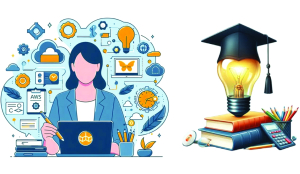
At its core, design thinking is a way of solving problems by starting with people. It moves through empathising with users, defining the actual problem, generating ideas, prototyping and testing. What it really builds is a habit: asking “who is this for, and why does it matter?” before asking “how should it look?” Parents often wonder whether design is a secure choice. Consider where hiring is heading. Employers increasingly look for user research, product thinking, accessibility and service design, which are roles where judgement counts for more than tools. AI can now produce layouts and visuals in seconds. What it cannot replace is understanding context, culture and consequence.
This is where a programme’s approach matters. Conventional courses often teach design as a series of subjects, tested through exams. At IMS DIA, established in 2005, learning is studio-led and project-driven, with a strong emphasis on practical training. Students work on live industry briefs, learn from practising professionals and build portfolios that show how they think, not just what they make. Programmes across fashion, interior, communication, product and jewellery design, along with international collaborations such as Mod’Art International Paris, widen their outlook early.
In practice, a communication design student does not simply design an app screen. She interviews commuters, maps their experiences, tests prototypes and, as per the feedback, revises the design. An interior design student enquires how a compact home can work for a family of five before choosing a colour palette. A product design student weighs material, cost and sustainability from the first sketch. Each project teaches the same lesson: the first idea is rarely the best one, and feedback is a tool, not a threat.
The skills that travel with you beyond the classroom are research, prototyping, visual storytelling, collaboration, client communication, and the confidence to navigate uncertainty and embrace new possibilities. They lead to careers such as UX designer, design researcher, service designer, sustainable product designer, brand strategist or entrepreneur. Many of these roles barely existed a decade ago.
Above all, design thinking builds adaptability. Industries will keep shifting and tools will keep changing. A student trained to question, test and iterate can learn the next platform. A person trained only in today’s software may struggle when the tools evolve. But strong design fundamentals, problem-solving, and adaptability remain relevant, helping designers learn, unlearn, and adapt to new technologies.
Two practical suggestions: Students should build portfolios that showcase the entire design process, including research, experimentation, iterations, and failed attempts, not just polished outcomes. Parents, meanwhile, should ask institutions how much learning happens through live projects, industry exposure, and hands-on experiences, and what kind of mentoring and guidance students receive throughout the journey.
Because the careers of the future will be shaped not by what students can produce, but by how well they can think, adapt, and solve problems.
The skills that travel with you beyond the classroom are research, prototyping, visual storytelling, collaboration, client communication, and the confidence to navigate uncertainty and embrace new possibilities
The writer is a HOD, Associate Professor, IMS DIA, Noida; Views presented are personal.