We Could Have Fixed Carbon Emissions
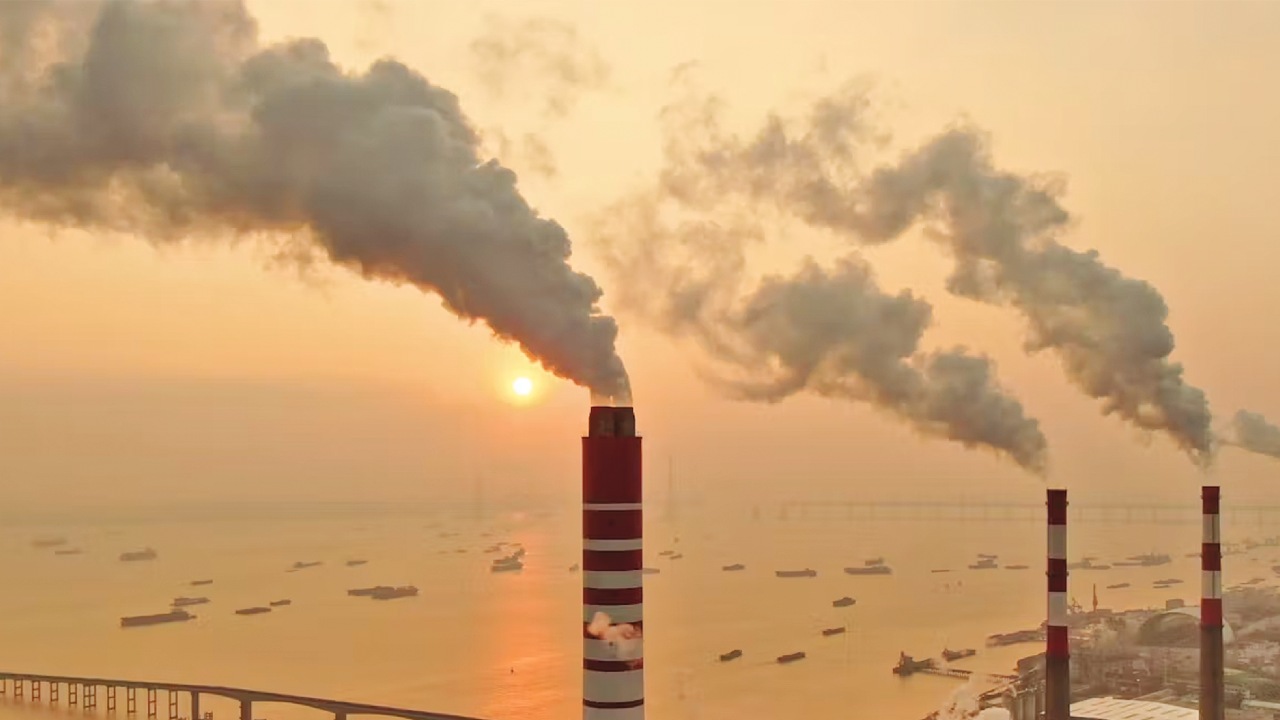
We could have fixed carbon emissions. Really! We had the tech, the engineers, the math, and even the urgency. But we lacked realism. Instead of building a realistic, resilient, low-carbon energy system, we spent the past two decades staging a moral theatre about fossil fuels, complete with heroes, villains, hashtags, and spiritual cleansing rituals like “net-zero.” It became less climate policy, more climate cosplay.
Somewhere along the way, energy stopped being an engineering problem and became a moral referendum. Oil was evil. Gas was betrayal. Coal was a mortal sin. The fact that half the world still lacked reliable electricity was treated as a minor inconvenience, a footnote to the sermon. So instead of asking, how do we reduce emissions? We asked, how do we purify ourselves of fossil fuels? However, nobody built the infrastructure required for real decarbonisation, such as grids, storage, transmission, industrial-scale nuclear, geothermal, carbon capture and storage (CCS), and efficiency. But we all built websites and declarations about “phasing out fossil fuels.”
COP30 in Belém took this to theatrical heights. Brazil, the European Union (EU), and Colombia pushed for a fossil fuel phaseout not because they discovered new scientific revelations, but because it aligned with their geopolitical interests, domestic politics, and, in the EU's case, its desire to export its moral compass. Convenient timing, given Europe's messy divorce from Russian gas. Shift the narrative, shift the guilt. But Saudi Arabia, Russia, India, Africa, and most of Asia were simply not buying it. Because development is not a vibe. Energy is not an aesthetic. You can't run a steel plant, refrigeration chain, foundry, or fertiliser industry on moral speeches.
The greatest irony of the energy transition is how the West sold renewable energy as “infinite and sustainable.” Yes, sunlight and wind are renewable energy sources. But everything required to capture and convert them to usable energy is not. Panels need quartz, silver, copper, EVA, and rare earths. Turbines need neodymium, steel, concrete, and composites. Batteries need lithium, cobalt, nickel, and graphite. Mining, refining, shipping, and manufacturing all require emissions, land, and drum rolls- irony alert, fossil fuels. Supply chains stretch across dozens of countries, each one vulnerable to political shocks. Unlimited feedstock? Yes. Unlimited supply chains? Never.
Some fossil fuel systems emit less overall than the supposedly "green" alternatives, but climate activists have conveniently ignored the life cycle perspective. A gas plant with CCS can beat poorly manufactured solar, or hydrogen from fossil-heavy electricity can outdo conventional fossils in emissions. Emissions depend on systems, not slogans. And that is why the central question was always: How do we slash emissions, not which technology makes us feel morally pure?
Which brings us to the next point. Who gets to decide the "good" energy? Certainly Not the West. For decades, the West has outsourced its textile manufacturing to Asia, electronics to China, food to supply chains thousands of kilometres long, and then dared to preach "low-carbon living." If Europeans truly want to cut emissions, they could start by not importing cotton grown in India, spun in Vietnam, dyed in Bangladesh, stitched in Ethiopia, and shipped back to Paris while lecturing others on climate. But lifestyle emissions are never the villain. Only fossil fuels are.

The COP30 fossil fuel roadmap was the clearest example yet of moral rhetoric masking geopolitical self-interest. Europe wants to pivot away from fossil fuels partly because: It cannot compete with the US shale boom, has severed its gas dependence on Russia, wants to sell its green technologies and standards, and, of course wants developing nations to "share the burden" it created earlier. Colombia wants attention. Brazil wants climate leadership. But none of this means India must rewrite its growth trajectory. We will increase renewables, yes. We will lower emissions intensity, absolutely. We will expand green hydrogen, certainly. But we will not sacrifice poverty eradication at the altar of Western virtue politics.
The West loves to cite Colombia, Norway and a handful other Latin American countries as evidence that even “developing countries” can run on clean energy. However, the energy systems of these countries are “renewable” by geography and not by choice. Norway’s “clean grid” exists because it was built on cheap, domestic hydropower, not because Norwegians rejected oil, they are exporting it. Chile’s solar boom works because the Atacama Desert has some of the world's highest irradiation and because copper mining provides a stable anchor demand. Iceland runs on geothermal because it sits on a volcanic rift. None of these cases are transferable template; they are location-specific equilibria.
The real climate work is not glamorous and looks something like fixing grids, developing CCS, building nuclear and geothermal, greening freight, cement, and fertilisers, localising supply chains and reducing waste in food and textiles. But yelling was easier than planning. So, we wasted a decade arguing over purity instead of building low-emission systems. We obsessed over what energy looks like, instead of how it performs. We villainised fossil fuels without offering viable industrial replacements. We romanticised renewables without fixing their broken supply chains. The West moralised while outsourcing its manufacturing and emissions to developing nations, without regulating its own unsustainable consumption. And COP30 turned geopolitical trauma into climate virtue. It’s time to outgrow the fossil fuel panic and focus on building low-emission systems.
The writer is Research Consultant, Centre for Climate Change and Energy Transition (CCET), Chintan Research Foundation (CRF).; views are personal