US hints at easing tariffs on India
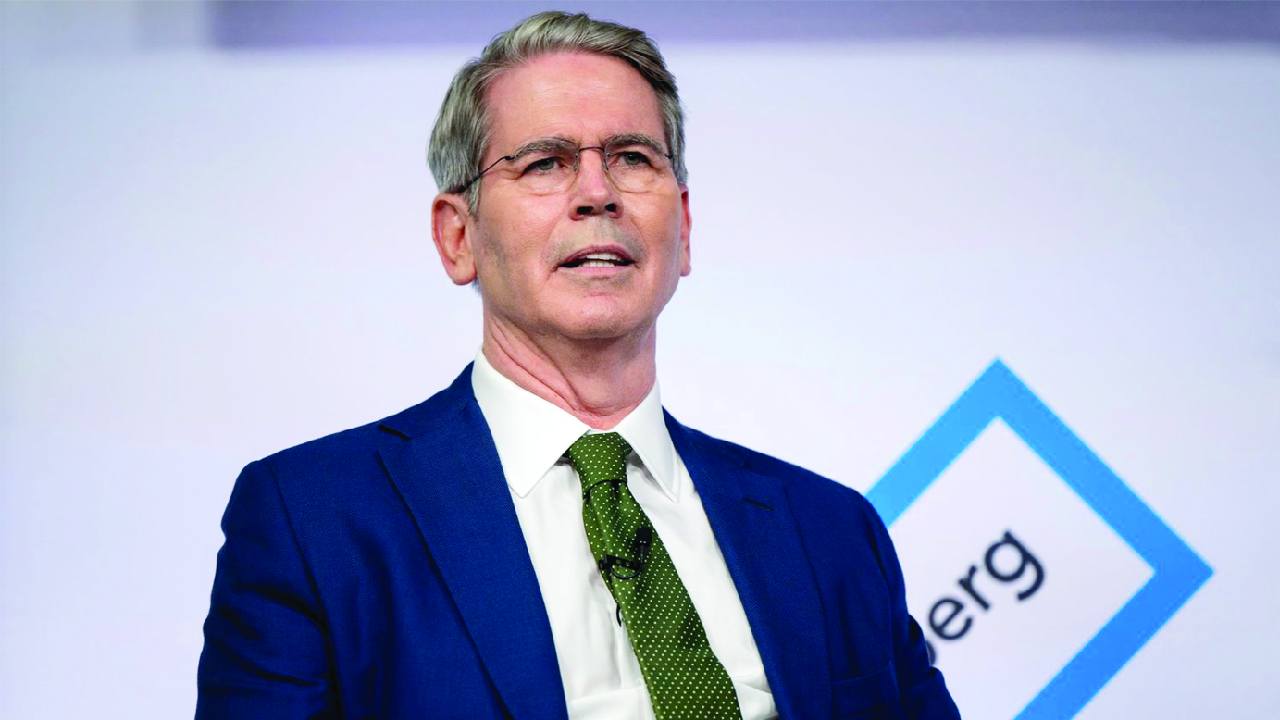
The United States (US) may reconsider part of the steep tariffs imposed on Indian goods following a reported decline in India’s imports of Russian crude oil, according to remarks by US Treasury Secretary Scott Bessent.
Speaking to US media outlets, Bessent indicated that the Donald Trump-led administration could roll back 25 per cent of the total 50 per cent tariffs currently applied to India. He attributed this potential shift to what he described as a significant reduction in New Delhi’s purchases of Russian oil in recent months.
The tariffs were introduced in two phases. An initial 25 per cent duty targeted what Washington characterised as long-standing trade imbalances with India. A further 25 per cent levy was later imposed as a punitive measure in response to India continuing to buy Russian crude despite US-led efforts to economically isolate Moscow after the Ukraine conflict.
Referring to the impact of the policy, Bessent said the tariff strategy had delivered the intended results. He suggested that the decline in Russian oil imports by India could open the door for easing restrictions, though he added that the tariffs remain in place for now.
Bessent also criticised the European Union’s (EU) approach, claiming that Brussels had avoided placing similar trade restrictions on India in the hope of securing a major trade agreement. He described the EU’s stance as contradictory, alleging that European countries continue to consume refined energy products originating from Russian oil processed in India.
In separate comments made to Fox News during the World Economic Forum in Davos last week, Bessent reiterated that India, the world’s third-largest oil importer, had scaled back its reliance on Russian crude following the introduction of US tariffs.
“India began sourcing Russian oil after the conflict started, but after President Trump imposed a 25 per cent tariff, those purchases have slowed significantly,” he said.
The remarks suggest a possible softening of Washington’s earlier hardline trade position toward India. Over recent months, both countries have held multiple discussions aimed at resolving trade disputes and rebuilding momentum toward a broader bilateral trade agreement after tariffs were announced in August last year.
However, the situation remains contested. While some recent reports indicate that private Indian refiners have reduced their intake of Russian crude, the Indian Government has maintained that oil purchases from Russia continue as per national requirements.
The Trump administration has repeatedly urged countries to curtail energy ties with Moscow as part of broader efforts to increase pressure on Russia. India has pushed back against such demands, calling the US position “unfair, unjustified and unreasonable,” and reiterating that its energy decisions are driven by domestic economic interests.
Following Western sanctions imposed after Russia invades Ukraine in February 2022, India emerged as the largest buyer of discounted Russian crude, reshaping global oil trade flows.
TARIFFS INTRODUCED IN two PHASES
- An initial 25 per cent duty targeted what Washington characterised as long-standing trade imbalances with India
- A further 25 per cent levy was later imposed as a punitive measure in response to India continuing to buy Russian crude despite US-led efforts to economically isolate Moscow after the Ukraine conflict